Georgia Voters Face High-Stakes Midterm Election
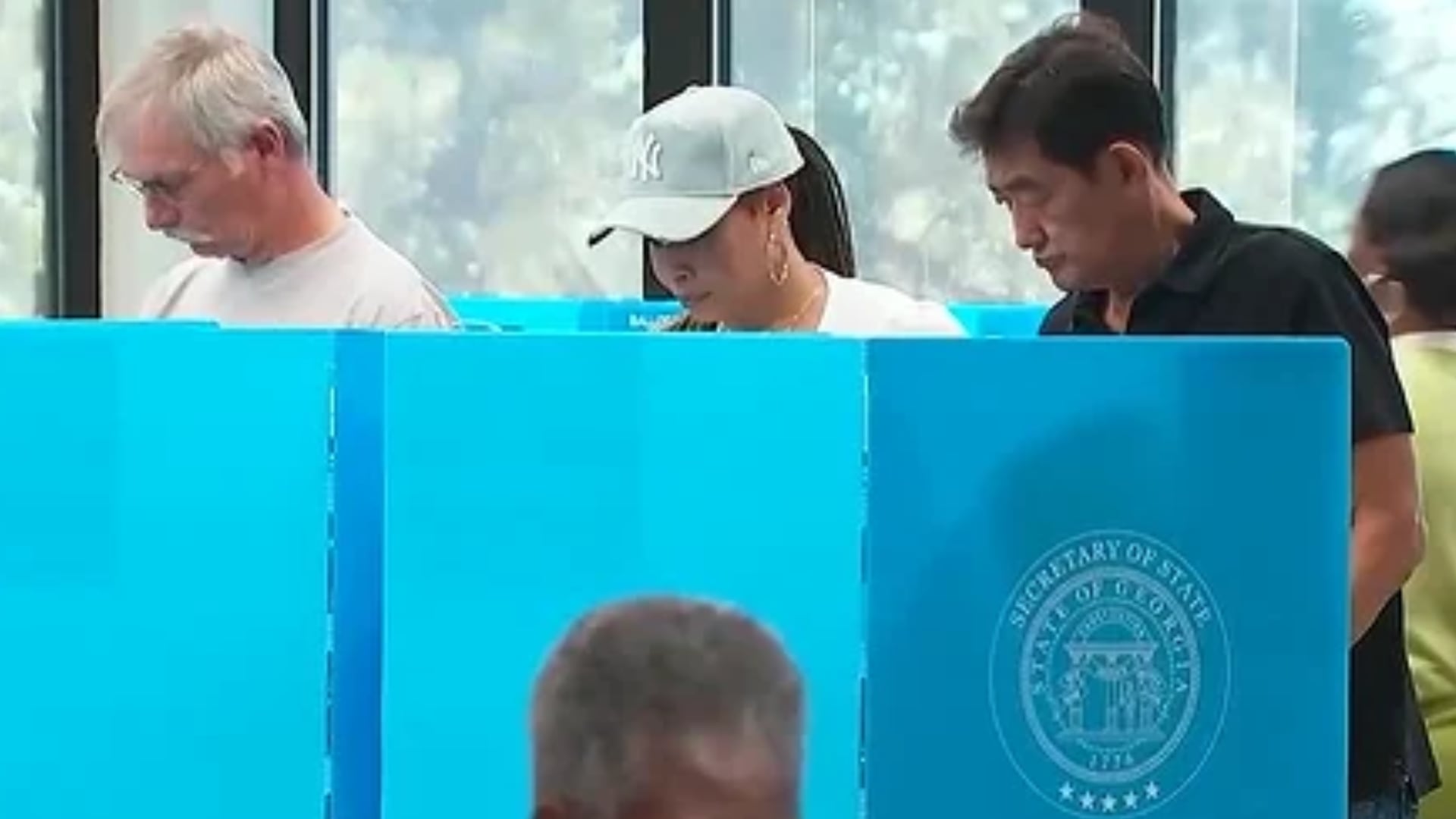
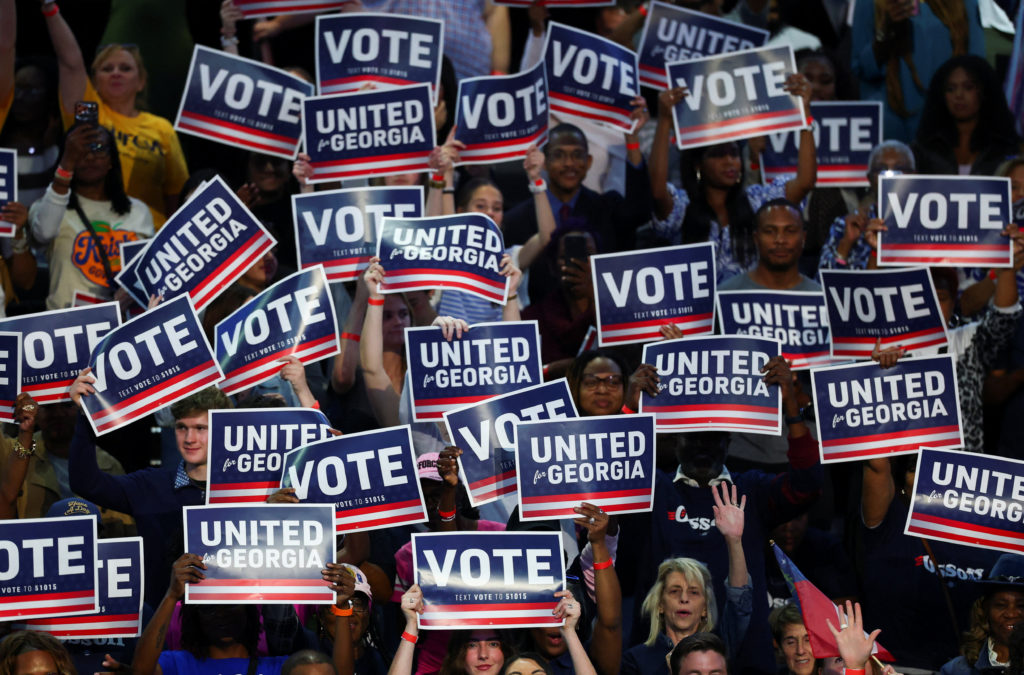
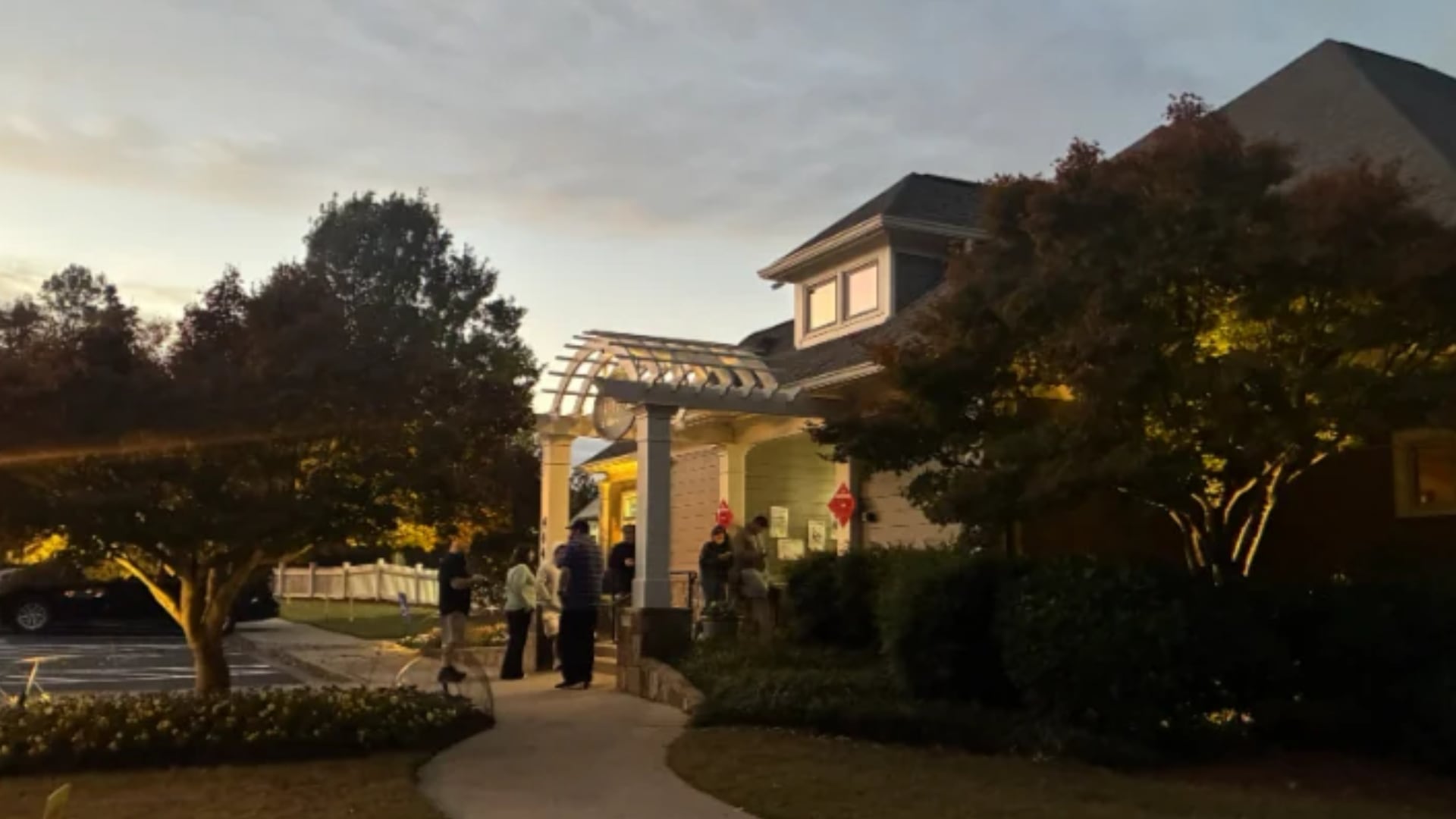
Georgia’s midterm election on November 3 will decide a closely watched U.S. Senate race, the contest for governor and a range of other state and federal offices. Polls across all 159 counties are scheduled to welcome voters from 7 in the morning until 7 in the evening; voters in line by closing time can still cast a ballot.
Democratic Sen. Jon Ossoff is seeking reelection against Republican Rep. Mike Collins, a close ally of President Donald Trump and the author of the Laken Riley Act. Ossoff has attacked Collins over his support for Trump, while Collins has portrayed Ossoff as aligned with coastal and Hollywood elites and a progressive agenda. The contest could affect control of the Senate.
Democrat Keisha Lance Bottoms, a former Atlanta mayor and Biden administration official, is seeking to become the country’s first Black female governor. She has emphasized household costs and civil rights. Republican Rick Jackson, a businessman who defeated Lt. Gov. Burt Jones in the GOP runoff, has promised tax cuts and a property-tax increase freeze, and has criticized Bottoms’ record in Atlanta. Jackson campaigned with Gov. Brian Kemp on Monday, November 2, while Bottoms made stops across the state.
Voters must go to their assigned precinct and show an approved government-issued photo ID. Completed absentee ballots must be delivered to the voter’s county registrar by 7 p.m. on November 3; voters switching to in-person voting should bring their unvoted absentee ballot so it can be canceled. Campaign adviser Andrew Aydin said some statewide constitutional-office races could be decided by a few hundred votes.
Georgia’s Senate and Governor Races Put Trump’s Influence on the Ballot
Georgia’s November 3 election puts President Donald Trump’s influence and the state’s direction before voters in races that could have national consequences. The Senate contest pits incumbent Democrat Jon Ossoff against Republican Rep. Mike Collins, a Trump ally whose support for the president has become a central target of Ossoff’s campaign. Control of the Senate could turn on the result.
Ossoff has criticized Collins for his loyalty to Trump, while Collins has accused Ossoff of serving coastal and Hollywood elites and promoting a progressive agenda. Voters should weigh those competing claims alongside the stakes: the election will also determine Georgia’s governor and offices across state government.
Democrat Keisha Lance Bottoms, a former Atlanta mayor and Biden administration official, is seeking to become the nation’s first Black female governor. Her campaign has focused on household economics and civil rights. Republican Rick Jackson has said he wants to cut state income taxes and freeze property-tax increases, while calling Bottoms a failed urban executive. Those proposals offer a sharply different direction from Bottoms’ campaign priorities.
Voting is scheduled from 7 in the morning until 7 in the evening on November 3, with voters in line at closing allowed to vote. Voters must visit their assigned precinct and show approved photo ID. Absentee ballots must be delivered to the county registrar by 7 p.m.; people voting in person after requesting a ballot should bring the unvoted ballot to be canceled.
Georgia Voters Choose Between Conservative Tax Cuts and Democratic Priorities
Georgia voters face a clear choice on November 3: Republican candidates campaigning on conservative priorities, or Democrats seeking to keep power in key state and federal contests. Rick Jackson has pledged to reduce state income taxes and freeze property-tax increases, while also focusing on health-care costs. Democrat Keisha Lance Bottoms has centered her campaign on household economics and civil rights.
Jackson, a businessman who won the Republican runoff against Lt. Gov. Burt Jones, has criticized Bottoms’ record as Atlanta mayor. Bottoms is seeking to become the country’s first Black female governor. Gov. Brian Kemp campaigned with Jackson on Monday, November 2, as candidates made final appeals around the state.
In the Senate race, Republican Rep. Mike Collins is challenging Democratic incumbent Jon Ossoff. Collins has campaigned alongside President Donald Trump and is the author of the Laken Riley Act. Ossoff has attacked Collins over his support for Trump; Collins has cast Ossoff as a representative of coastal and Hollywood elites and a progressive agenda. The outcome could affect control of the Senate.
Polling places are set to serve voters from 7 in the morning until 7 in the evening on November 3. Anyone in line by closing time may vote, but voters must use their assigned precinct and bring approved government-issued photo ID. Completed absentee ballots must reach the county registrar by 7 p.m.; voters who switch to in-person voting should bring their unvoted ballot to be canceled.
Reported by Atlanta News First, FOX 5 Atlanta, The Washington Examiner.