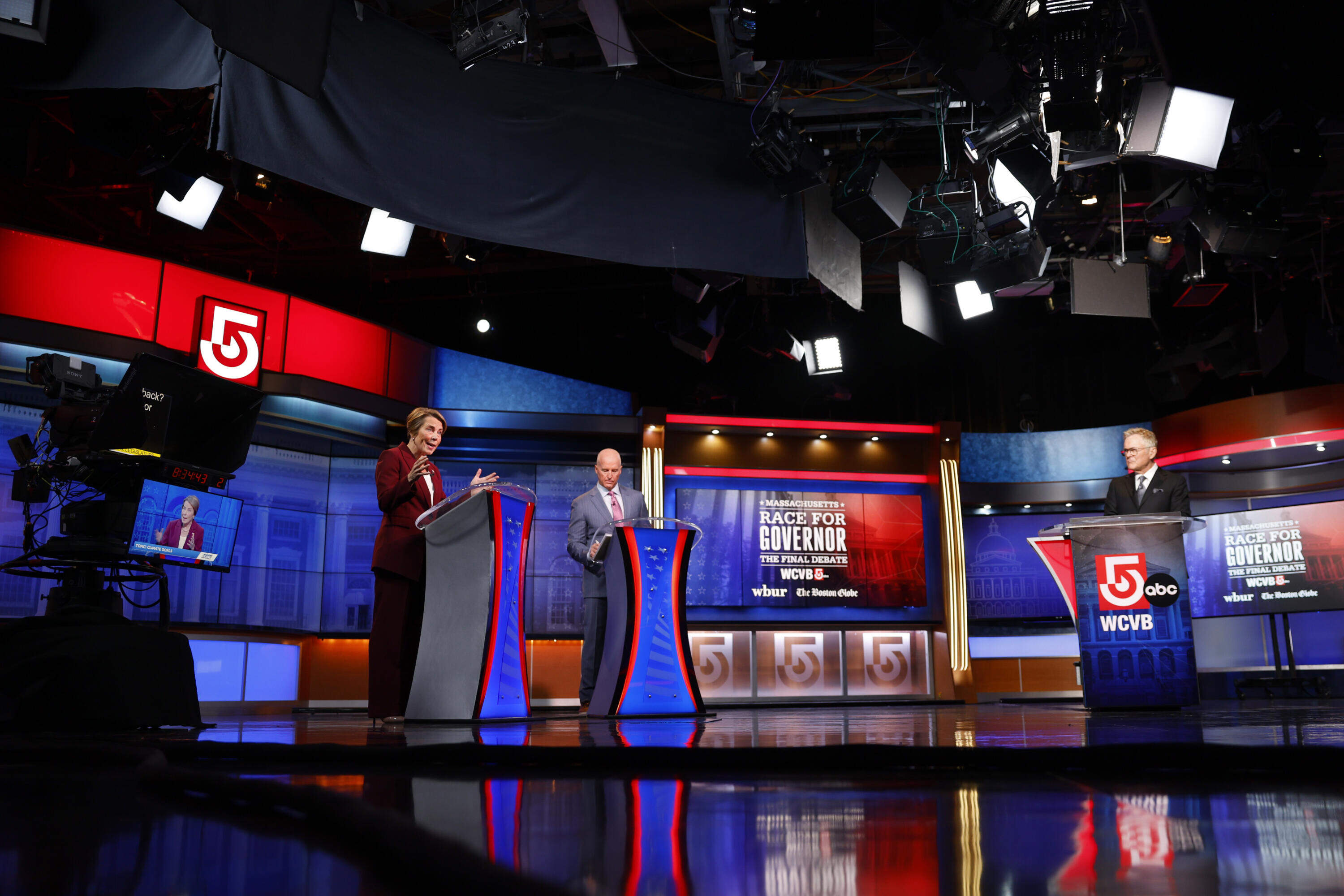
Healey and Minogue make final pitches in Massachusetts governor’s race
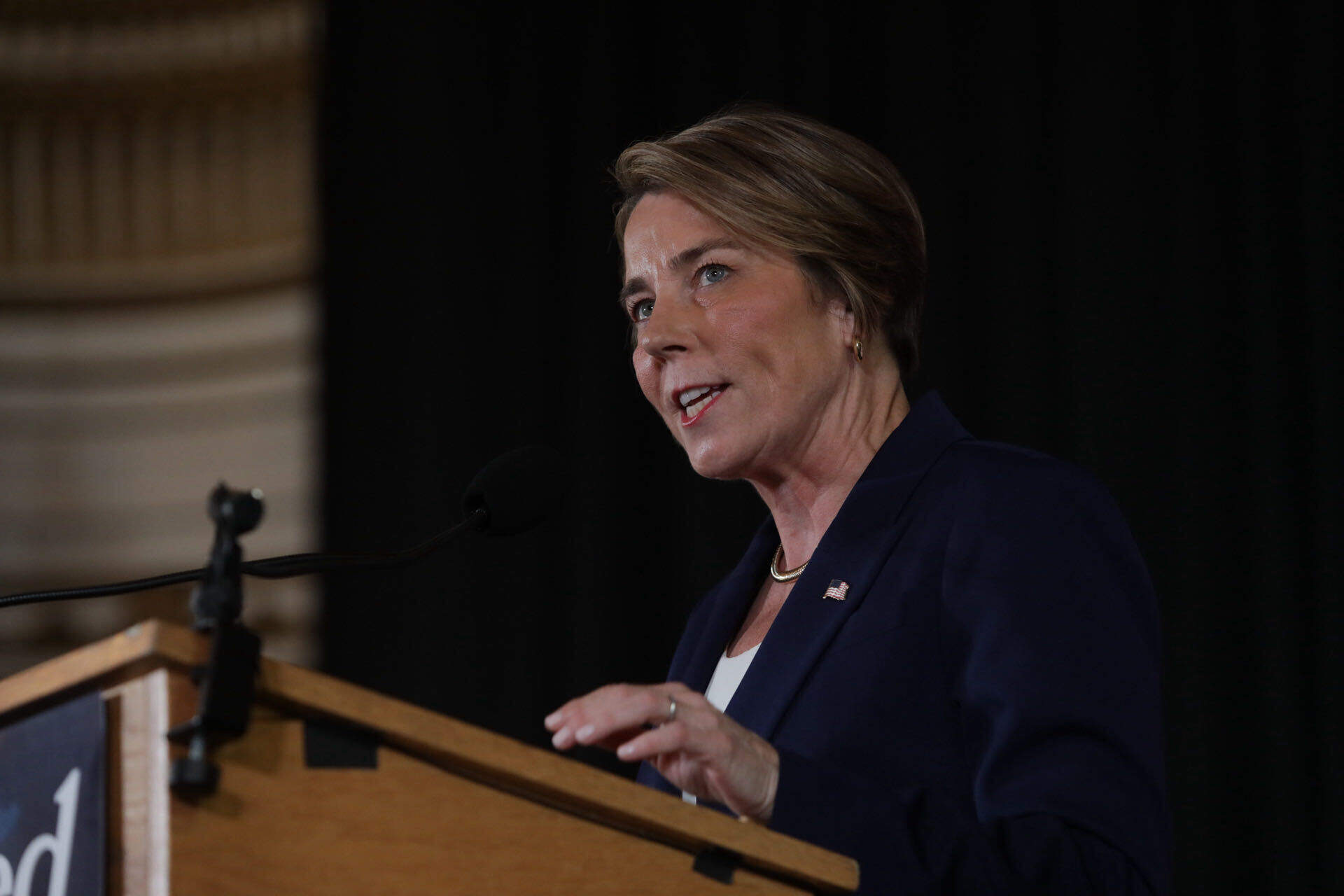
On November 1, the state’s Democratic governor, Maura Healey, and her Republican opponent, Mike Minogue, made their final appeals to voters before Election Day. Healey spoke at a get-out-the-vote rally in Lynn, while Minogue addressed supporters at a Braintree restaurant and campaigned in Boston over the weekend.
Healey focused on President Donald Trump, arguing that her administration has responded to policies and funding cuts from his government by protecting health care, vaccines, food assistance and education. She did not mention Minogue at the Lynn rally. Her campaign has often sought to connect the Republican to Trump, who remains unpopular in Massachusetts.
Minogue distanced himself from national Republicans and made affordability the center of his pitch. He blamed Healey’s leadership for costs involving electricity, housing, health care and child care, and said those matters were separate from national politics. He also cited the $18.3 million of his own money invested in his campaign, saying that would leave him beholden to voters rather than donors.
More than 1 million Massachusetts voters had already cast ballots before Election Day. Both candidates campaigned in Fall River, while Minogue also visited Boston, where he faces the challenge of limiting his losses in a strongly Democratic city. Healey’s campaign said she would serve a full second term if reelected.
Healey’s record of resisting Trump anchors her closing pitch
On November 1, Gov. Maura Healey made her closing appeal in Lynn by stressing how Massachusetts has responded to President Donald Trump’s actions on health care, vaccines, food assistance and education. Her argument put the stakes of the governor’s race in clear terms: state leadership can help protect residents when the president’s agenda threatens support they rely on.
Healey did not mention Republican challenger Mike Minogue at the rally. Her campaign has instead often tied him to Trump, whose unpopularity in Massachusetts makes that association a central part of her case. Minogue sought distance from national Republicans, but Healey’s message emphasized that the consequences of the national political fight reach into people’s lives in the state.
Minogue focused on the cost of electricity, housing, health care and child care, blaming Healey’s leadership. But his millions in personal campaign spending do not answer the question Healey’s pitch puts before voters: who will defend public services when federal support is cut? More than 1 million people had already voted before Election Day, as the candidates made their final appeals.
Minogue puts Massachusetts affordability at the center of his case
On November 1, Republican Mike Minogue made his closing argument around a problem Massachusetts voters face at home: affordability. At a Braintree rally, he blamed Gov. Maura Healey for costs involving electricity, housing, health care and child care, and argued those failures cannot be dismissed as national politics.
Healey’s closing pitch leaned heavily on President Donald Trump, presenting her campaign as a defense against his actions. Minogue sought to separate himself from national Republicans and keep the focus on the state’s cost of living. His message challenged Healey to answer for the prices confronting residents rather than turn the race into a referendum on Trump.
Minogue also highlighted that he had put $18.3 million of his own money into his campaign, saying he would be beholden to voters. He campaigned in Boston as well as Fall River, seeking support in a city where Republicans need to avoid a crushing defeat. More than 1 million voters had already cast ballots before Election Day.
Reported by WBUR, CBS Boston, The Boston Globe.