Collins and Jackson Make Final Appeals in Maine Senate Race
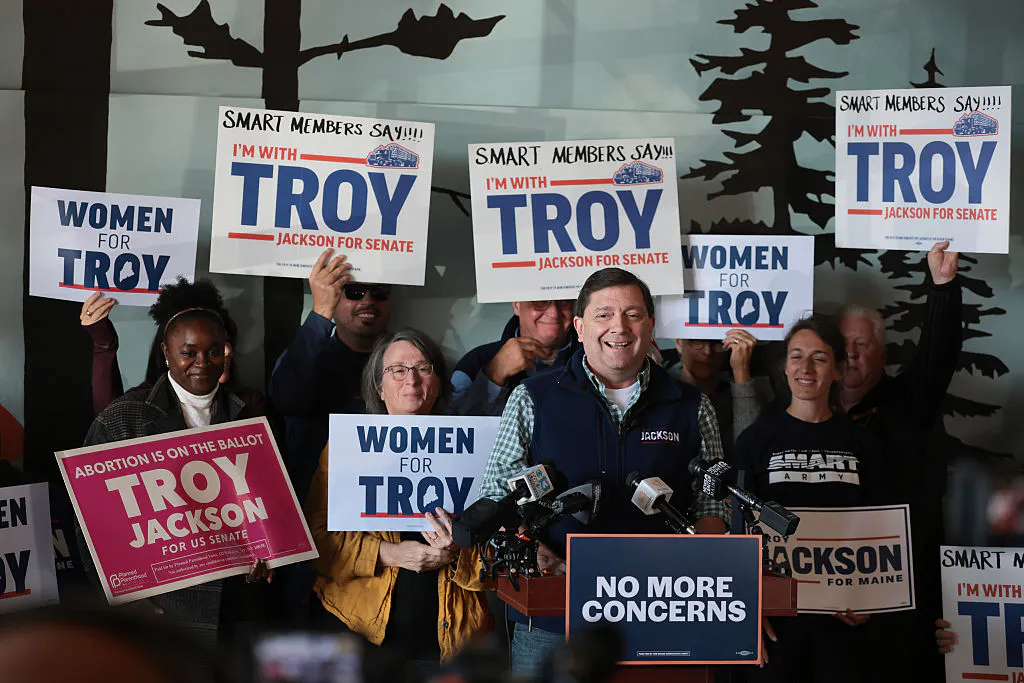
The Maine Senate contest entered its final stretch as incumbent Susan Collins and challenger Troy Jackson pressed sharply different arguments before voters decide on November 3. Jackson’s campaign cast the race as a chance to challenge President Donald Trump and replace Collins with a stronger check on his agenda. Collins argued that her experience and seniority would deliver more for Maine than a newcomer to the Senate.
Jackson, who previously served in the state legislature and comes from a family of loggers with five generations in the trade in Aroostook County, emphasized workers, the cost of living and what he called the influence of wealthy interests. At events in Portland and elsewhere, he criticized Collins for supporting parts of Trump’s agenda, including her backing of Brett Kavanaugh’s appointment to the Supreme Court. Jackson argued that Collins had failed to use her influence to improve outcomes on issues such as abortion rights, tariffs and the Iran war.
Collins, seeking a sixth term, stressed her independence from Trump and her record of serving Maine. In an opinion piece published in local papers, she said the election was about who could do more for the state. She has also criticized Jackson over his experience and attacked Democrats over campaign advertising.
The race has drawn heavy outside spending, with more than $137 million spent by groups supporting or opposing the candidates, according to one campaign-finance tally. Polls released in the final days offered mixed signals: several showed Jackson ahead, while an Emerson College survey had Collins narrowly leading within its margin of error. The outcome could help decide control of the closely divided Senate.
Maine Can Put a Check on Trump by Replacing Collins
The final choice in Maine is about more than two candidates: it is a test of whether voters want a Senate willing to challenge Donald Trump. Democrat Troy Jackson made that case in the closing days of his campaign, arguing that Republican Sen. Susan Collins has not used her influence to protect Mainers from the consequences of Trump’s agenda.
Jackson cited Collins’ support for Brett Kavanaugh’s appointment to the Supreme Court; Kavanaugh later joined the majority that overturned Roe v. Wade. He also criticized her over tariffs and the Iran war, and framed the contest around workers and ordinary Mainers versus wealthy interests. His message is that a new senator could be a more forceful check on a president whose party currently holds the Senate.
Collins wants voters to focus instead on her experience and her ability to deliver for Maine. But seniority is no answer to Jackson’s central charge: when consequential choices arose, Collins supported Trump’s nominee and has not secured the outcomes Jackson says the state needs. Collins also attacked Democratic campaign advertising and questioned Jackson’s experience.
The contest could help determine Senate control. Several final polls showed Jackson ahead, though an Emerson College poll put Collins narrowly in front within its margin of error. Outside groups have poured more than $137 million into supporting or opposing the candidates, underscoring the national stakes as voters prepare to decide on November 3.
Collins Offers Maine Experience Against Jackson’s Risky Reset
Maine voters face a choice between a senator with decades of experience and a challenger who would be starting over in Washington. Republican Susan Collins made that contrast central to her closing appeal, arguing that her ability to benefit Maine is at the heart of the election. She is seeking a sixth term against Democrat Troy Jackson, a former state lawmaker who entered the race in late July.
Collins has sought to distinguish herself from President Donald Trump, citing disagreements with his administration on immigration enforcement, tariffs and the Iran war. She has also said her opposition to Trump has been more frequent than her opposition to former President Joe Biden. Her case is that a senator’s record and ability to represent Maine matter more than Jackson’s promise of wholesale change.
Jackson has attacked Collins over her support for parts of Trump’s agenda, including her backing of Brett Kavanaugh’s appointment to the Supreme Court. He has also emphasized workers and the cost of living. But Collins has challenged his experience, while her supporters argue that voters should weigh what an established senator can deliver against an untested replacement.
The result could affect control of the Senate. Some final polls showed Jackson ahead, but an Emerson College survey gave Collins a narrow lead within its margin of error. More than $137 million in outside spending has gone toward supporting or opposing the candidates, reflecting the contest’s national importance. Maine voters decide on November 3.
Reported by The Boston Globe, KTVU FOX 2, CBS News, CBS Boston, Newsweek.