Massachusetts Midterms Center on Ballot Questions and Turnout
On November 2, the eve of the midterm election, Massachusetts’ contests appeared less likely to change who controls state government than to test how decisively voters would back Democratic incumbents. Gov. Maura Healey is seeking another term, as is U.S. Sen. Ed Markey. Public polling since September put Healey an average of 22 percentage points ahead of Republican challenger Michael Minogue.
Minogue has put $19.5 million of his own money into his campaign, a record for a Massachusetts statewide candidate. His campaign reported spending more than $21.4 million, also a state record. Independent candidate Andrea James is also running for governor. A super PAC supporting Minogue spent $542,812 on material criticizing James, though the spending could potentially draw liberal voters away from Healey.
Voters will also decide nine ballot questions, matching the state record set in 1994. The most expensive fight centers on Question 8, which would effectively repeal the law legalizing recreational marijuana. Supporters and opponents have spent nearly $6.4 million combined, according to state data.
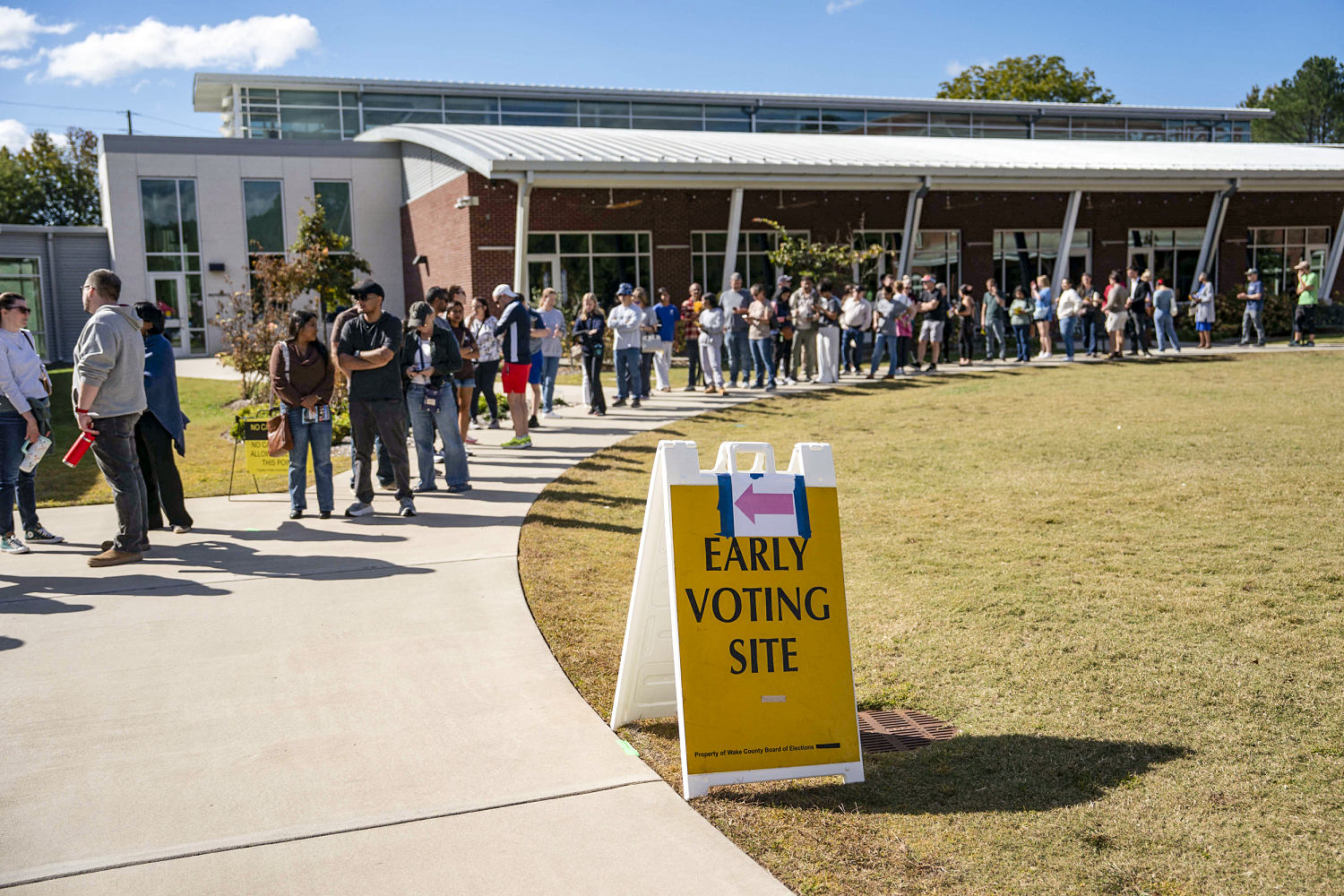
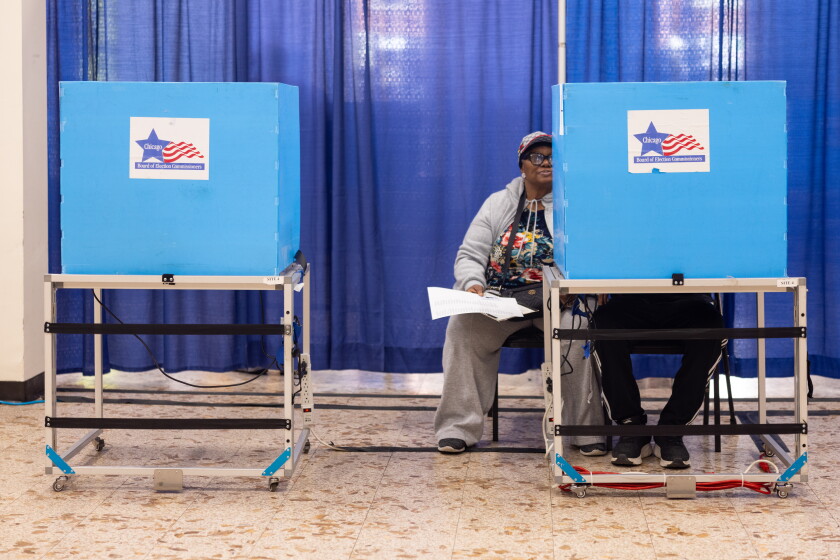
Secretary of State William Galvin’s office said 1,161,295 people had submitted ballots before Election Day, either in person or by mail, as of November 2. Galvin declined to forecast Election Day turnout, citing mixed signals: inquiries about where to vote were down, while interest in ballot questions suggested stronger participation. The results will also arrive amid a closely watched national contest over control of Congress, though Massachusetts’ congressional delegation is not expected to change.
Massachusetts Democrats Face a Cost-of-Living Test, Not a Statewide Toss-Up
On November 2, the election’s central Massachusetts question was not whether Democrats would keep their grip on state government, but how large their victories would be as residents contend with cost-of-living pressures. Gov. Maura Healey and U.S. Sen. Ed Markey are seeking reelection, and public polling since September put Healey an average of 22 points ahead of Republican Michael Minogue.
Minogue has spent $19.5 million of his own money, setting a record for a statewide candidate in Massachusetts, and his campaign has reported spending more than $21.4 million. His campaign’s backing of an effort targeting independent candidate Andrea James also drew attention: a pro-Minogue super PAC spent $542,812 on criticism of James, which could redirect liberal votes away from Healey.
Voters will weigh nine ballot questions, tying the state record set in 1994. Question 8, which would effectively undo the law legalizing recreational marijuana, has drawn the most spending. Supporters and opponents have spent nearly $6.4 million combined, reflecting the high stakes of a fight over a policy voters approved a decade ago.
More than 1.16 million people had voted early or by mail by Monday afternoon. Secretary of State William Galvin declined to predict Election Day participation, citing conflicting indicators. Democrats nationally are hoping voter dissatisfaction with President Trump and economic anxiety will help them win control of Congress; Massachusetts’ own contests are expected to leave the state’s Democratic dominance intact.
Massachusetts GOP Faces Long Odds as Democrats Seek Another Sweep
On November 2, Massachusetts Republicans faced steep odds in a state where Democrats already hold supermajorities and all congressional seats. Gov. Maura Healey is seeking reelection, and public polling since September showed her leading Republican Michael Minogue by an average of 22 points. Minogue’s campaign has nevertheless mounted an expensive challenge, with $19.5 million in personal contributions and more than $21.4 million in reported spending.
The scale of the spending underscores the difficulty of competing statewide in Massachusetts. A super PAC supporting Minogue spent $542,812 attacking independent candidate Andrea James, who is running to Healey’s left. The messaging could appeal to voters frustrated with the incumbent, although it could also shift liberal support away from Healey.
Nine ballot questions will go before voters, tying the record set in 1994. Question 8 would effectively repeal the law legalizing recreational marijuana, and committees on both sides have spent nearly $6.4 million combined. That contest makes the ballot itself a major part of an election in which the statewide partisan balance is not expected to change.
By Monday afternoon, 1,161,295 people had voted early or by mail. Secretary of State William Galvin declined to offer a turnout estimate, saying the indicators were mixed: requests for voting-location information were down, while interest in ballot questions pointed toward stronger participation. The Republican challenge also unfolds amid national expectations that Democrats could benefit from President Trump’s unpopularity and voter concerns about the economy.
Reported by CommonWealth Beacon, The Boston Globe, WBUR, Boston.com.