Missouri Voters Reject Proposed Abortion Ban Again
Missouri voters rejected Amendment 3, turning back an effort to replace the state’s 2024 constitutional protection for abortion with broad restrictions. The Associated Press called the measure defeated with 55.2% voting against it and 44.8% in favor, with about 94% of ballots counted.
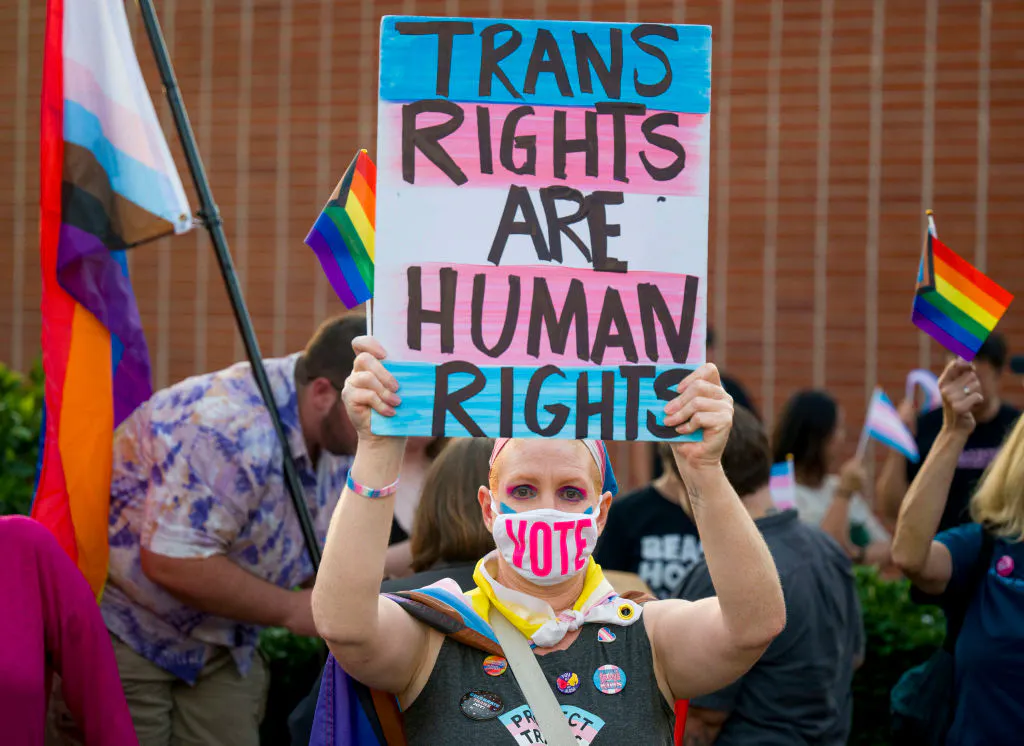
The amendment would have allowed abortion only in cases involving a medical emergency, a fetal anomaly, or rape or incest. Abortions in cases of rape or incest would have been permitted only through 12 weeks of pregnancy. It also sought to prohibit gender-transition procedures for minors, including puberty blockers and hormones, restrictions already imposed by state law.
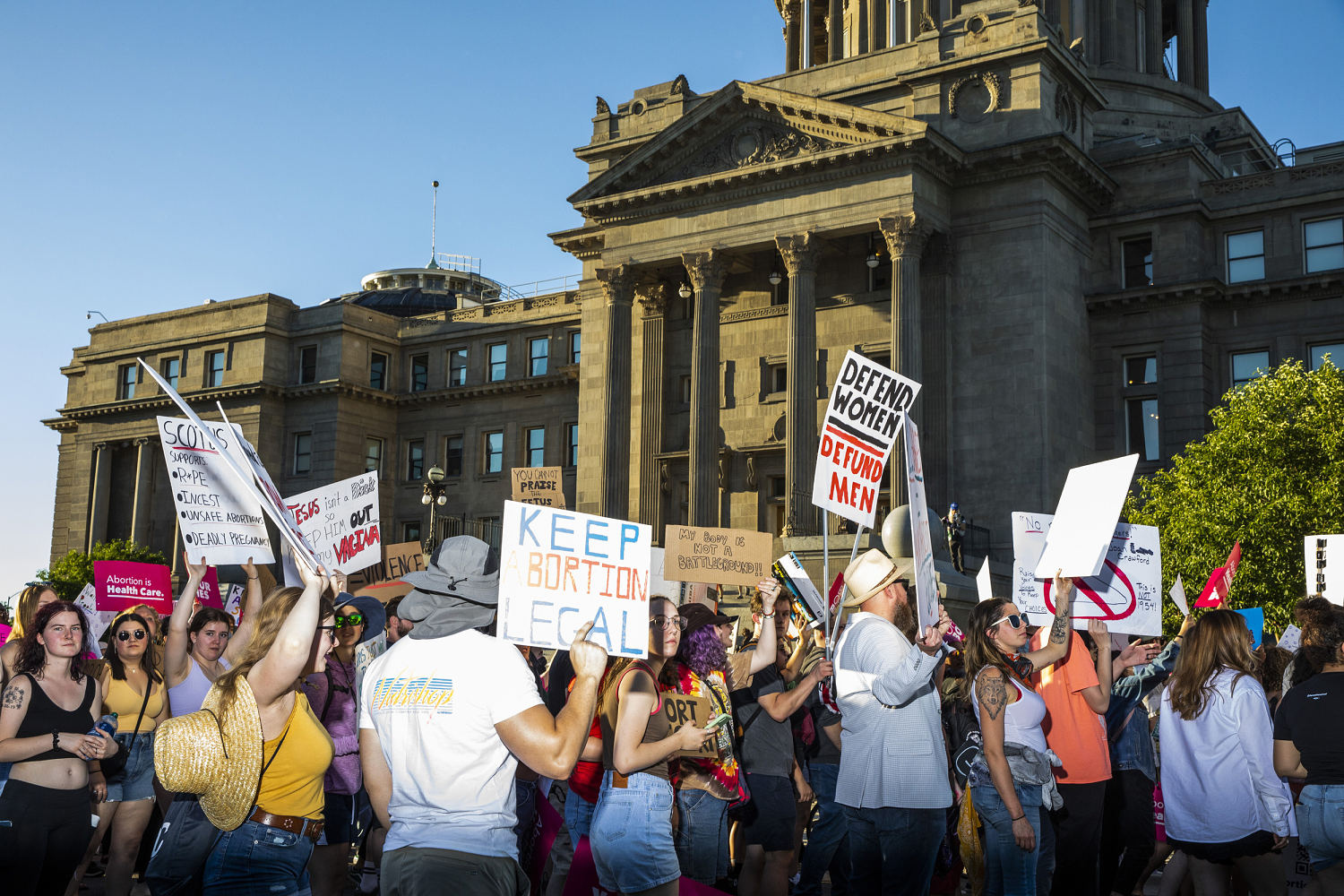
Republican lawmakers placed the measure on the ballot after voters narrowly approved abortion rights in 2024. Gov. Mike Kehoe supported Amendment 3, whose campaign argued that its exceptions made it a more moderate alternative to earlier restrictions. Opponents said the proposal threatened abortion access and used its provisions on transgender care to broaden its appeal.
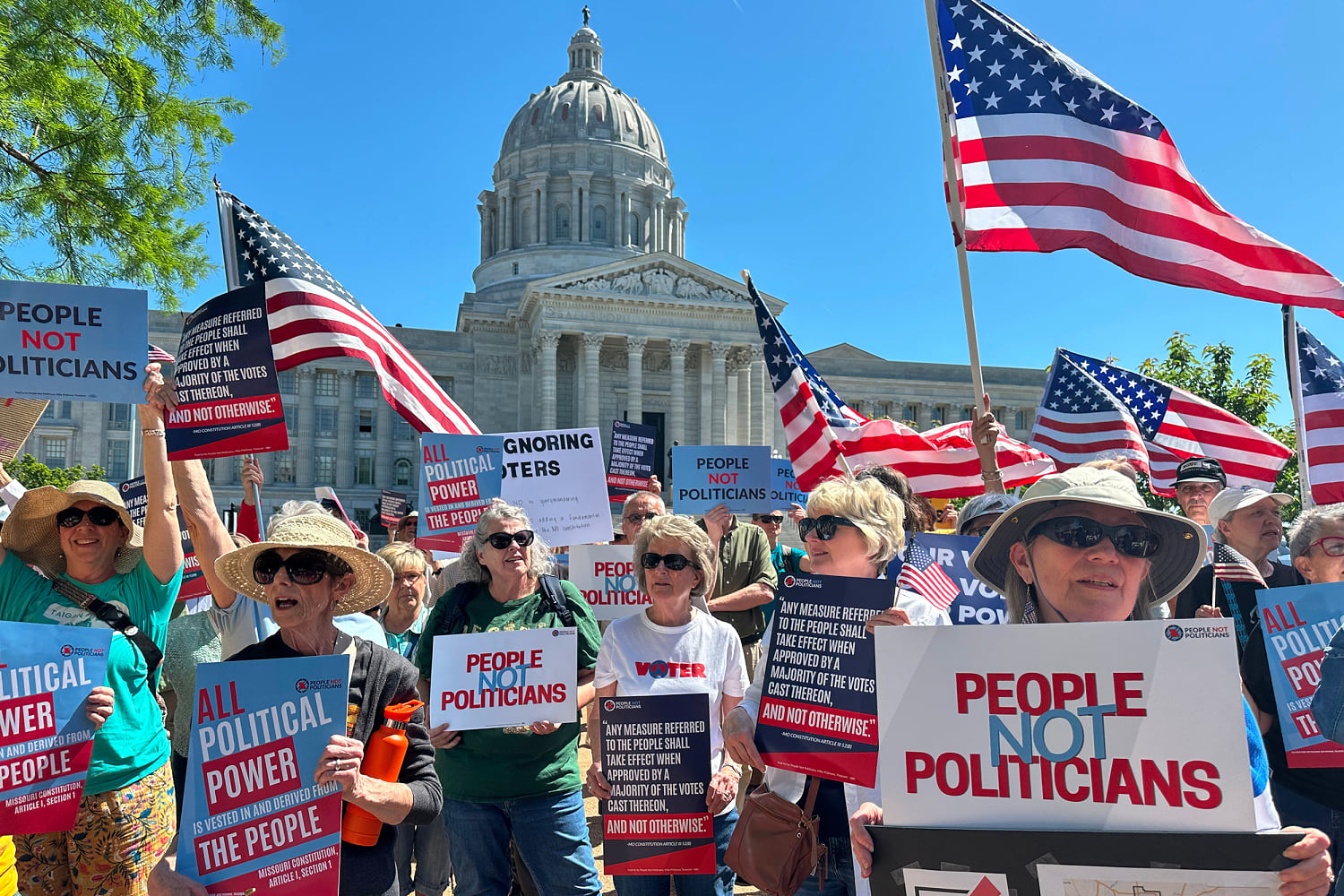
Opponents raised about $27 million, more than three times the roughly $7 million reported by supporters. The result also came alongside strong support for Amendment 6, which would make it harder for lawmakers to reverse citizen-approved ballot measures. By late Tuesday, it had received about 60% of the vote.
The defeat leaves Missouri’s 2024 reproductive-freedom amendment in place. It was the first attempt to repeal an abortion-rights amendment previously approved by voters, a result that could discourage similar efforts elsewhere.
Missouri Voters Defeat Another Push to Restrict Abortion
Missouri voters rejected an attempt to roll back their constitutional right to abortion, voting down Amendment 3 by 55.2% to 44.8% with about 94% of ballots counted. The measure would have allowed abortion only under limited exceptions and restricted gender-transition care for minors.
The Republican-led Legislature put the proposal on the ballot after voters approved abortion rights in 2024. Its supporters presented the exceptions as a compromise, but opponents warned that the measure would again put abortion access at risk. The result is a rebuke to lawmakers who sought to undo voters’ earlier decision.
The proposal also included restrictions on puberty blockers, hormones and transition surgeries for minors, even though state law already restricts such care. Opponents said bundling that issue with abortion was part of the campaign’s appeal to voters; the combined measure failed.
Abortion-rights opponents raised about $27 million, compared with just over $7 million for supporters. Voters also backed Amendment 6, which would make it harder for lawmakers to overturn citizen-approved ballot measures. The vote reinforces the principle that lawmakers should not be able to readily erase decisions made directly by voters.
Missouri’s 2024 reproductive-freedom amendment remains in place. The defeat is also a setback for efforts to repeal abortion-rights amendments through later ballot measures.
Missouri Rejects Proposed Limits on Abortion and Trans Care
Missouri voters rejected Amendment 3, turning aside a proposal to restore significant limits on abortion and place restrictions on gender-transition procedures for minors in the state constitution. The measure lost 55.2% to 44.8%, with about 94% of ballots counted.
The amendment would have allowed abortion only for medical emergencies, fetal anomalies, or rape and incest through 12 weeks of pregnancy. Its defeat leaves in place the constitutional abortion protections Missouri voters narrowly approved in 2024. Supporters of Amendment 3 sought to give voters another chance to set limits; opponents prevailed after raising about $27 million, more than three times the sum reported by supporters.
The measure also addressed puberty blockers, hormones and transition surgeries for minors, although state law already restricts such care. Opponents focused on abortion and the proposal’s effects on transgender care, while supporters argued that its exceptions made it a more moderate option.
The result shows the difficulty of reversing a voter-approved constitutional amendment at the ballot box. Amendment 6, meanwhile, was on track to pass with about 60% of the vote, making it harder for legislators to undo citizen-backed measures. Missouri’s 2024 amendment remains in force.
Reported by Mother Jones, NBC News, The Washington Examiner, The Philadelphia Inquirer, The 19th, The Blaze, The New Republic, Newsweek, ABC News, KFF Health News.