Brief Ceasefire Allows Evacuations From Kherson’s Deadly Riverfront
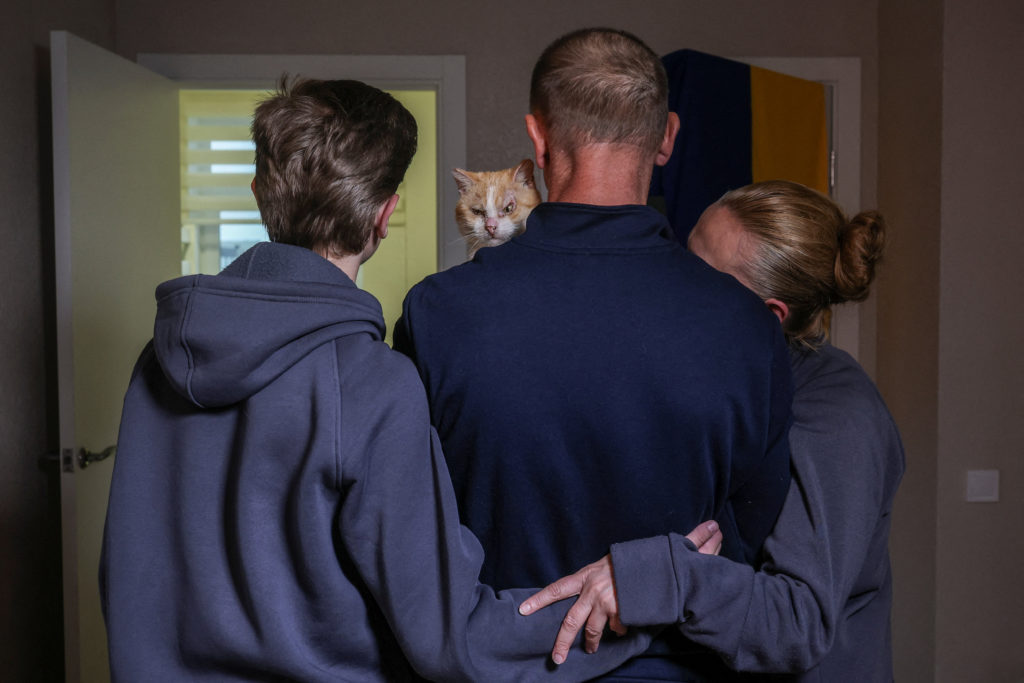
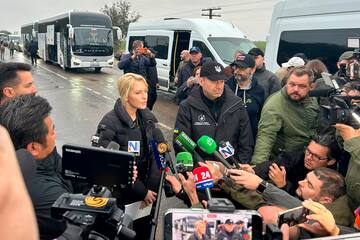
On October 27, a temporary pause in fighting allowed Ukrainian officials, police, Red Cross workers and volunteers to reach communities along the Dnipro River in Kherson region. They evacuated 180 people, among them 23 children, from riverside settlements and the city of Kherson. Some residents had been cut off for nearly two years. The ceasefire, linked to an aid operation in Russian-occupied Oleshky, ended Sunday night, only days after it began.
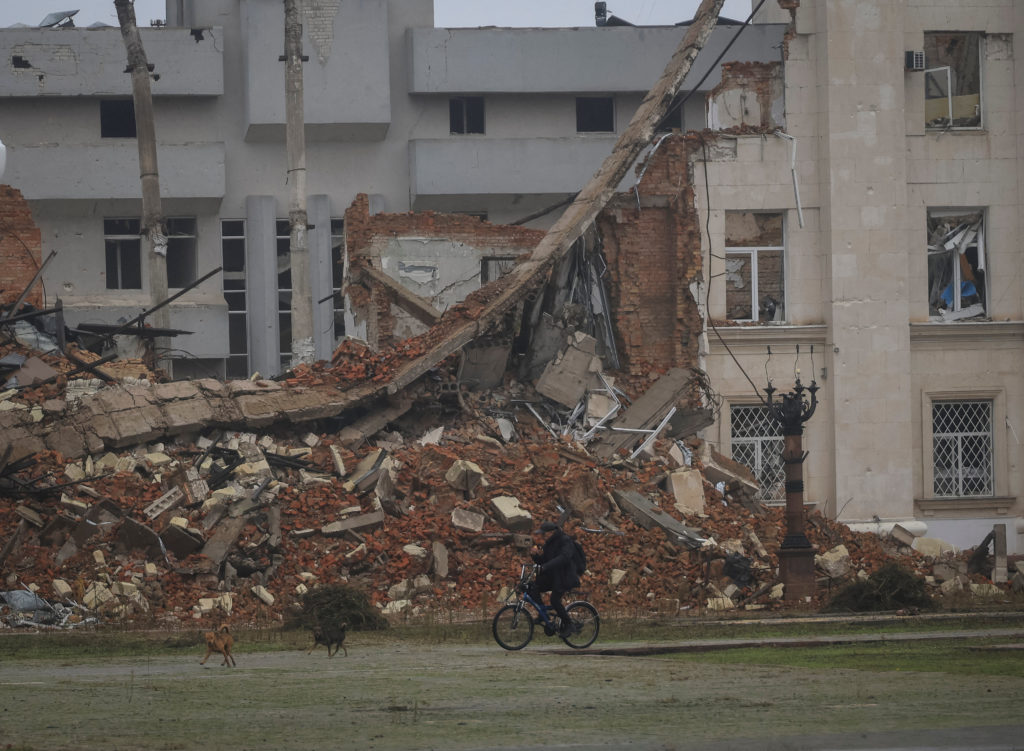
In Kozatske, close to Russian-controlled territory, 53-year-old Nataliia Diadiuk is among the few who remain. She uses a white cloth to signal that she is a civilian, collects and treats rainwater, and gathers wood for heat. Mines, artillery and drones make leaving home dangerous. Two dogs she cares for are among the reasons she has resisted evacuation.
Oleksii Shavokin, 54, also chose to stay. After a mortar strike destroyed his house in 2023, he repaired it and continued living there, relying on stored aid and eggs from his hens. He said he now eats once a day and has lost 30 kilograms.
Residents face a difficult choice: some fear they will have nowhere to live or no means to support themselves if they leave; others are reluctant to abandon their homes. The riverside is designated a military red zone. With the ceasefire over, people there again face drones, artillery, glide bombs and mines. About 140,000 people remain in Ukrainian-held Kherson region; nearly 70% of the wider region is under Russian control.
Kherson Civilians Get a Brief Escape From Russia’s Kill Zone
A fleeting pause in Russia’s war on Ukraine allowed evacuation teams to reach people trapped along the Kherson riverfront. Beginning October 27, Ukrainian officials, police, Red Cross workers and volunteers moved 180 people, including 23 children, out of riverside settlements and Kherson city. Some had endured isolation for nearly two years. The localized ceasefire, connected to an aid mission in Russian-occupied Oleshky, ended Sunday night.
In Kozatske, 53-year-old Nataliia Diadiuk survives with rainwater, firewood and whatever aid remains. She displays a white cloth to show drone operators she is a civilian, yet mines and attacks make even leaving home perilous. She has stayed in part because she cannot bring herself to abandon the dogs she feeds.
Oleksii Shavokin, 54, remains in a home he repaired after a mortar strike burned it in 2023. He gets by on old aid and eggs, eats once a day and has lost 30 kilograms. Other residents fear that evacuation could leave them without a home or support; many are deeply attached to the places they have lived all their lives.
The ceasefire offered a practical chance to reach civilians, but it lasted only days. The riverside is classified as a military red zone, and residents again face drones, artillery, glide bombs and mines. About 140,000 people remain in Ukrainian-held Kherson region, while nearly 70% of the wider region is under Russian control.
Brief Truce Gets 180 Civilians Out of Kherson’s Front-Line Danger
A short ceasefire created a rare opening for Ukrainian teams to reach people living along Kherson’s dangerous riverfront. Officials, police, Red Cross workers and volunteers evacuated 180 people, including 23 children, from riverside communities and Kherson city. Some had been cut off for nearly two years. The pause, tied to humanitarian aid work in Russian-occupied Oleshky, ended Sunday night.
The evacuation underscores the immediate challenge facing civilians: reaching them can be difficult, and persuading them to leave is no easier. In Kozatske, Nataliia Diadiuk, 53, lives with treated rainwater and gathered firewood, while drones, mines and other weapons make movement hazardous. She has stayed partly because of the dogs she cares for.
Oleksii Shavokin, 54, repaired his house after it burned in a mortar attack in 2023 and continues to live there on stored aid and eggs from his hens. He eats once daily and has lost 30 kilograms. Some people fear they will have no place or financial support after leaving; others cannot bear to abandon their homes.
The truce lasted just a few days. Residents in the designated red zone again face drones, artillery, glide bombs and mines. About 140,000 people remain in Ukrainian-held Kherson region, while nearly 70% of the wider region is controlled by Russia. The evacuation shows what a temporary security window can make possible, but it also leaves the urgent task of reaching people who remain.
Reported by The Philadelphia Inquirer, PBS NewsHour.