Israel’s Election Deadlock Leaves Coalition Talks Wide Open
Netanyahu’s coalition parties won 53 seats in the 120-member Knesset, while parties aligned with Eisenkot won 48. Arab-led parties secured 19 seats, making them pivotal to a potential majority. Both Netanyahu and Eisenkot had previously ruled out working with them, though Eisenkot has since said representatives who accept four conditions could be partners. Those include recognizing Israel as a Jewish state and Hamas as a terrorist organization, accepting mandatory military service for all citizens, and committing to the values of Israel’s independence.
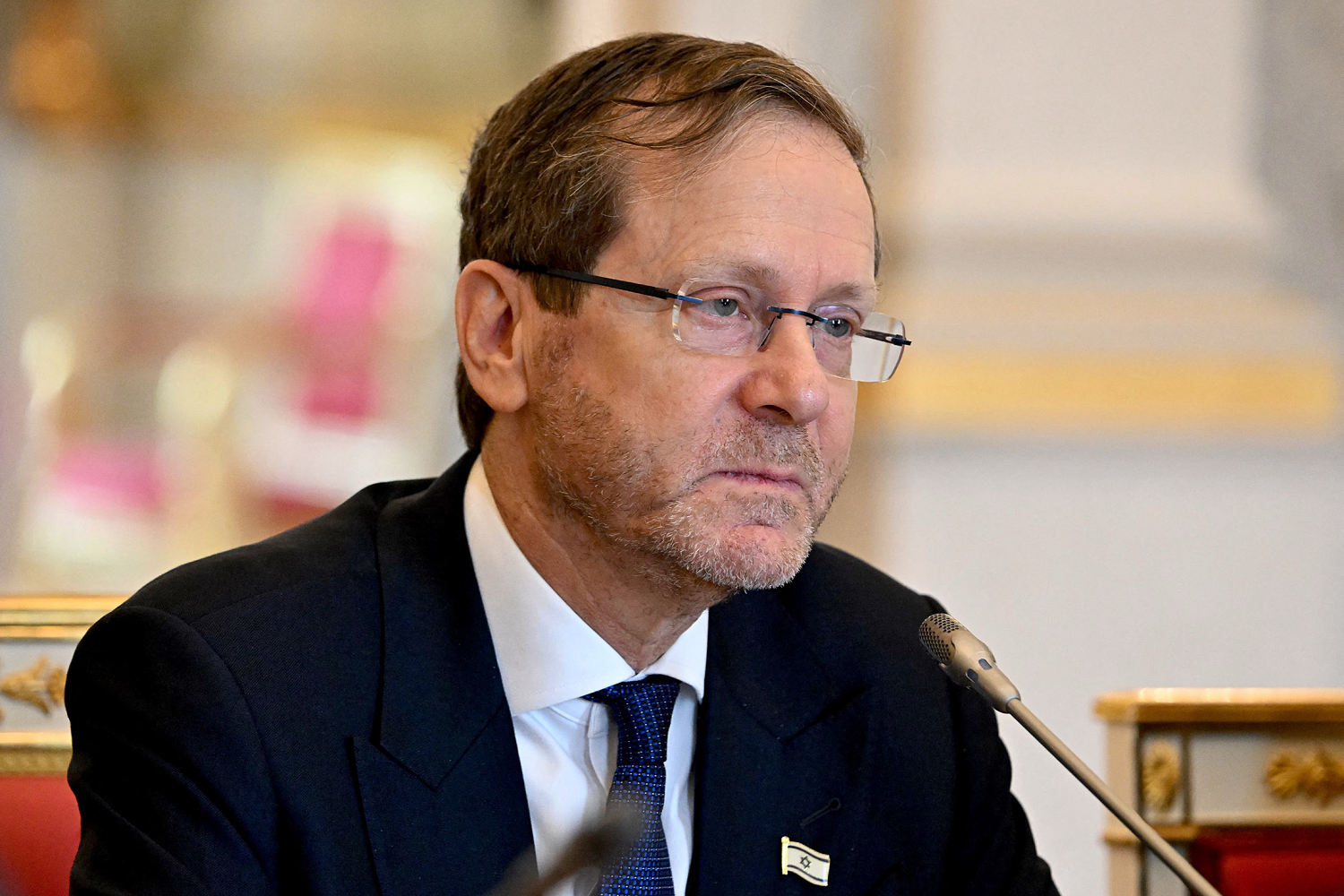
Herzog, whose role includes choosing which leader gets the first chance to form a government, will begin consultations with party representatives on Wednesday. He urged them to accept the election result and seek a way to avoid another vote. The process could take weeks, and Netanyahu is expected to remain as caretaker prime minister in the meantime.
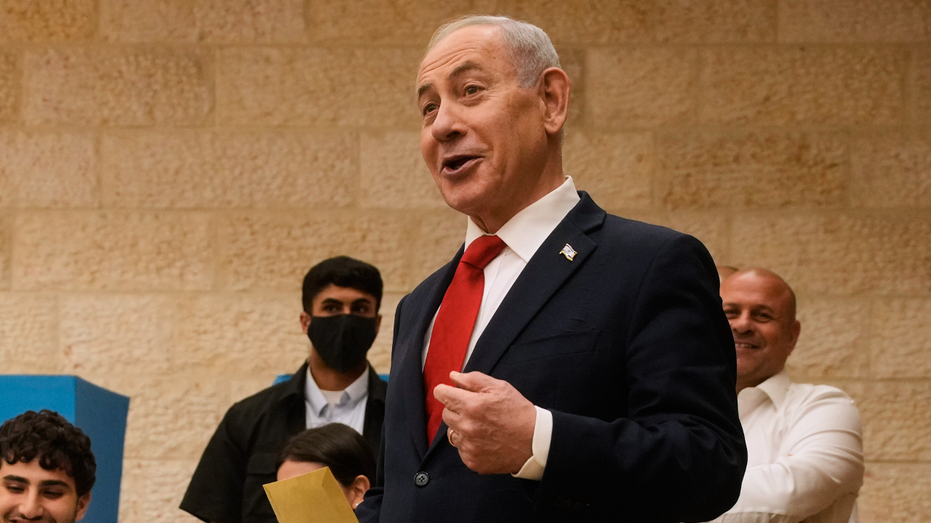
Netanyahu’s Likud party won 27 seats, making it the largest single party, but he would need 61 to govern. He could seek defectors from the opposition or attempt a unity arrangement with Eisenkot, though potential partners have longstanding disputes with him. Eisenkot’s bloc also includes parties that disagree over cooperation with Arab representatives, while Netanyahu has rejected such a partnership and accused Arab parties of positions he opposes. Arab party leaders have denied wrongdoing after Netanyahu alleged foreign backing in the election; Shin Bet is investigating possible foreign interference.
A government involving Eisenkot and the Arab parties could reach 67 seats, but some Jewish opposition parties have rejected that option. Analysts cited in the reports described deadlock and another election as real possibilities. Netanyahu may also benefit politically if no rival can form a government and a new election is called.
Israel’s Election Result Deserves a Government, Not Another Vote
The election has left Israel with a clear democratic choice: respect the results and negotiate, or let leaders’ pre-election red lines keep the country stuck. Netanyahu’s bloc has 53 seats, Eisenkot’s alliance has 48, and Arab-led parties have 19—enough to support a 67-seat majority with Eisenkot’s bloc.
Herzog urged party representatives to listen and find a way to avoid another election. Eisenkot has opened the door to partners willing to accept four principles, including recognizing Israel as a Jewish state and Hamas as a terrorist organization. But his alliance itself is divided over working with Arab parties, even as they have nearly doubled their parliamentary representation.
Netanyahu has attacked the Arab parties and alleged foreign support for their election success, while their leaders deny wrongdoing. Shin Bet is investigating possible interference, but says the inquiry is not intended to cast suspicion on a particular group. The election result, Herzog emphasized, must be faced rather than dismissed.
Netanyahu’s Likud won 27 seats, but his coalition remains short of the 61 needed to govern. The choice now is whether parties can negotiate across their differences or allow another election to prolong the deadlock. A government that includes Eisenkot and Arab parties is numerically possible; refusing even to consider that path risks making the voters’ decision harder to translate into a functioning government.
Netanyahu Faces Coalition Math as Rivals Consider Arab Partners
Netanyahu’s Likud emerged as Israel’s largest party with 27 seats, but his coalition has only 53 of the 61 needed to govern. The alternative is a politically diverse opposition bloc led by Eisenkot, which won 48 seats and could reach 67 with Arab-led parties. That arithmetic makes the question of partnership—not just party size—the central test of the negotiations.
Eisenkot says representatives may join if they accept conditions including recognition of Israel as a Jewish state and Hamas as a terrorist organization. Netanyahu has rejected a government with Ra’am leader Mansour Abbas, citing an old party platform and positions he says are unacceptable. Some parties in Eisenkot’s own alliance also oppose cooperation with Arab parties, exposing deep divisions in the bloc that wants to replace Netanyahu.
Herzog will begin consultations with party officials on Wednesday and decide who gets the first chance to form a government. Netanyahu could seek defectors or attempt a unity government, but his history of failed arrangements with centrist partners has made potential allies wary. Two possible right-leaning partners, Naftali Bennett and Avigdor Liberman, have deteriorated relationships with him, and Liberman opposes coalitions with Netanyahu’s ultra-Orthodox allies.
If neither side can assemble a majority, another election remains possible. Netanyahu would stay on as caretaker prime minister, and analysts say a repeat vote could offer him a chance to improve his showing. The opposition’s ability to unite is therefore as consequential as Netanyahu’s effort to retain power.
Reported by NBC News, The Boston Globe.