Israeli Exit Polls Show No Clear Path to a Majority
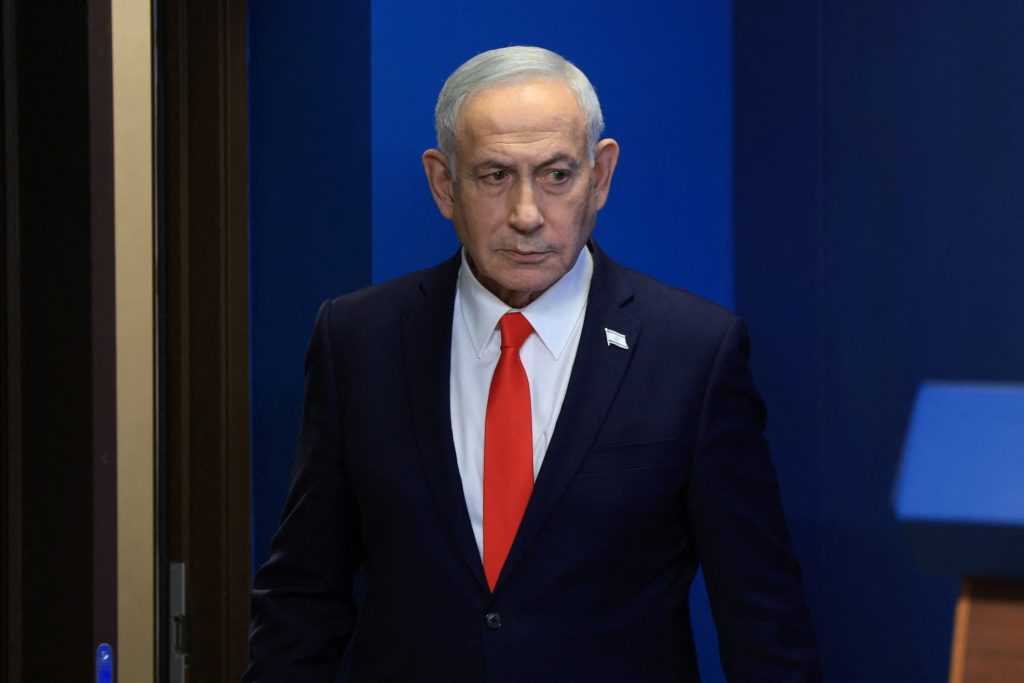
Initial projections from several Israeli television networks put Netanyahu’s bloc at about 50 seats and Eisenkot’s opposition at 52 or 53 in the 120-seat Knesset. Likud appeared to be the largest individual party, while neither camp reached the 61 seats needed to form a government. Exit polls can differ from the final count, which was expected in the coming days.
Arab-led parties were projected to win 17 or 18 seats, potentially giving them a pivotal role. But both Netanyahu and opposition figures have resisted relying on Arab parties to govern, leaving uncertain whether their seats could help Eisenkot assemble a coalition or support a minority government.
Turnout was exceptionally high. More than 74% of those eligible had voted by the evening of October 27, while a separate near-final figure put participation at 77.7%, the highest for an Israeli national election since 1999.
The election was the first since Hamas’ October 7, 2023, attack and the wars that followed. It also tested Netanyahu’s wartime leadership after nearly 17 years in power. Eisenkot, a former military chief, led a collection of parties united in seeking to replace him.
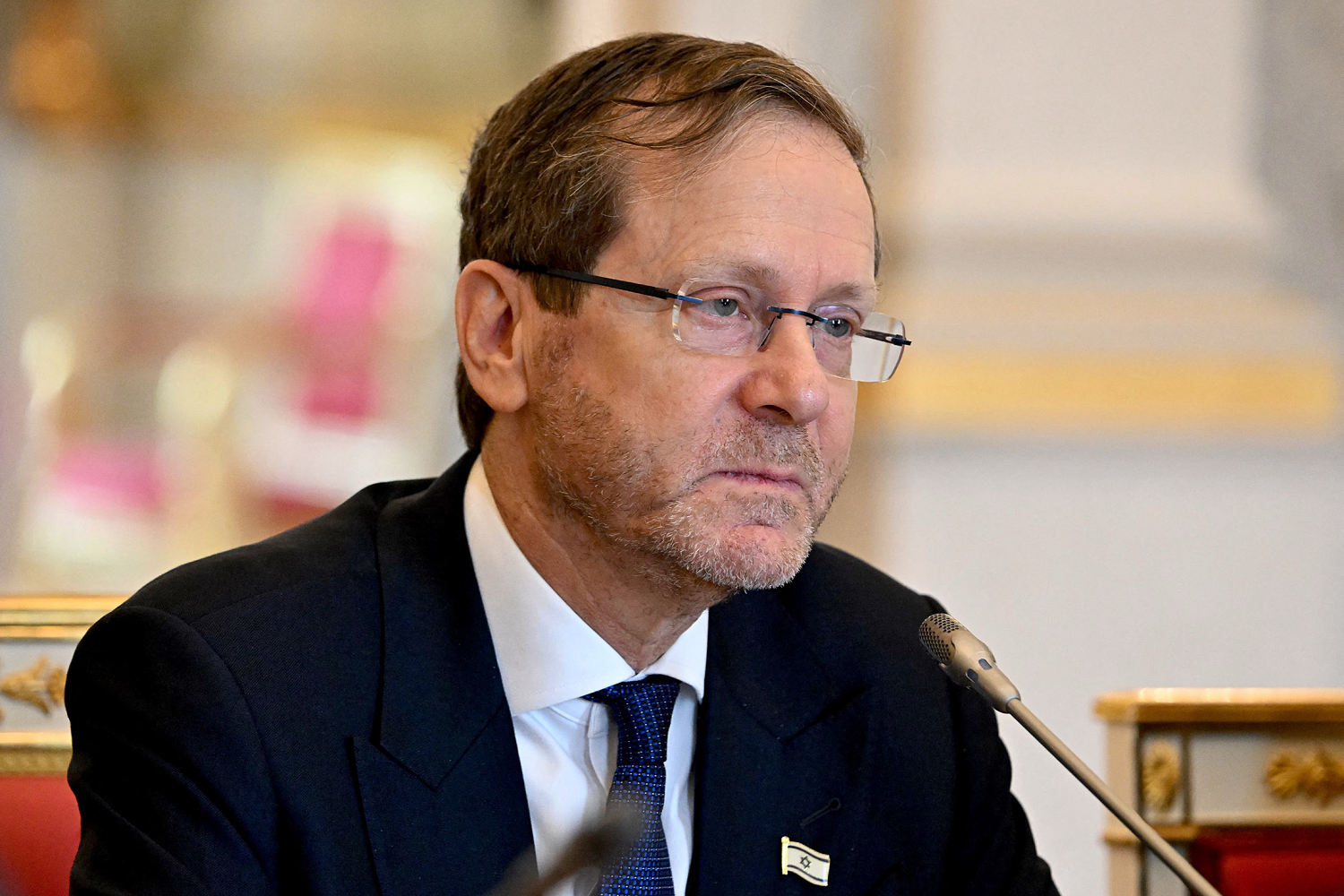
Weeks of negotiations could follow as parties try to secure support in parliament. If no government can be formed, Israel could hold another election. President Isaac Herzog would select a candidate to try to win parliamentary backing, while Netanyahu would remain acting prime minister until a successor takes office.
Arab Voters Could Hold the Key to Ending Netanyahu’s Rule
Israel’s exit polls point to a possible opening for change after years of Netanyahu’s rule, but the opposition’s ability to act may hinge on whether it accepts support from Arab-led parties. Projections put Netanyahu’s bloc at about 50 seats, the opposition at 52 or 53, and Arab parties at 17 or 18—well short of the 61 needed for a Knesset majority.
The election followed the October 7, 2023, Hamas attack and the wars that followed. Voters were also weighing Netanyahu’s wartime leadership and a government led by right-wing and religious allies. Turnout was unusually high, including in Arab communities, and Arab-led parties could now have substantial influence over who governs.
That influence is constrained by opposition leaders’ campaign resistance to relying on Arab parties. If they uphold that position, they could leave Netanyahu in office despite projections that more voters backed parties opposed to his coalition. A minority government supported by Arab lawmakers, or their abstention, could offer another route, but would require a political break with campaign pledges.
The projected results are not final. Negotiations may take weeks, and failure to assemble a government could bring another election. The choice facing the opposition is whether its objections to cooperation with Arab parties outweigh the chance to replace Netanyahu’s government.
Opposition’s Anti-Netanyahu Bloc Lacks a Governing Majority
The exit polls leave Israel facing a political impasse, not a clear mandate to remove Benjamin Netanyahu. His bloc was projected to win about 50 seats, while the opposition led by Gadi Eisenkot was put at 52 or 53—both below the 61 needed for a majority in the 120-seat Knesset. Likud nevertheless appeared to be the largest single party.
Arab-led parties were projected to take 17 or 18 seats, making them potential kingmakers. But opposition figures have also pledged not to rely on those parties to form a government. The arithmetic therefore exposes the gap between campaigning against Netanyahu and assembling a workable coalition.
The election came after the October 7, 2023, attack and the ensuing wars. Netanyahu’s supporters have argued that Israel’s security campaigns are unfinished; the opposition has made replacing his government its central cause. Neither side’s projected seat count settles who can command parliament.
Exit polls are only estimates, and final results were expected in the coming days. Parties may spend weeks negotiating, and if no coalition can be formed, another election could follow. Until a successor is chosen, Netanyahu remains acting prime minister.
Reported by Talking Points Memo, PBS NewsHour, New York Post, CNN, Boston.com, Newsweek, CBS News, Raw Story, Breitbart, Yahoo News, Semafor, The Philadelphia Inquirer, WTOP, The Daily Wire, Deadline, Fox News, CBS Detroit, Townhall, Local 10 Miami, CBS Philadelphia, The Guardian US, ABC7 New York, The Washington Examiner, PJ Media, KTVU FOX 2, WXYZ Detroit, Jacobin, WSVN 7News, The Daily Caller, The Nation, The Conversation US, The Blaze, NBC News, Slate, Salon.