Midterm Victories Challenge Washington’s Consensus on Israel
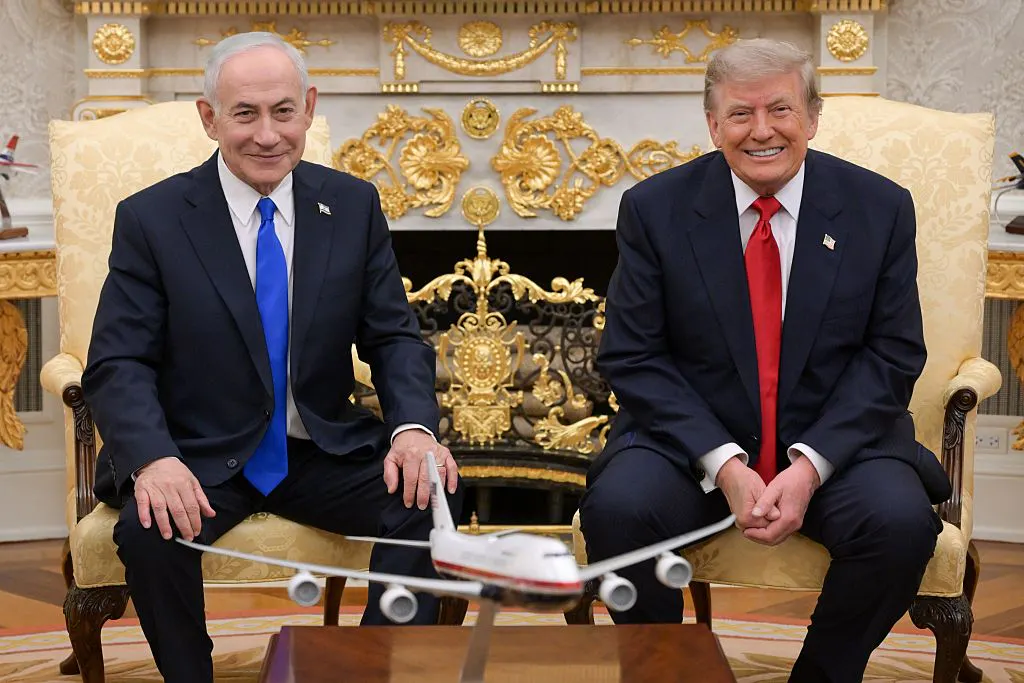
The midterm results put a sharper edge on a debate over US support for Israel. On election morning, Trump said he would end nearly $4 billion in annual military aid at year’s end, while proposing that Israel instead buy US weapons. The proposal drew criticism from both pro-Palestinian advocates and pro-Israel voices, and its practical effect could be limited if funding continued through arms sales.
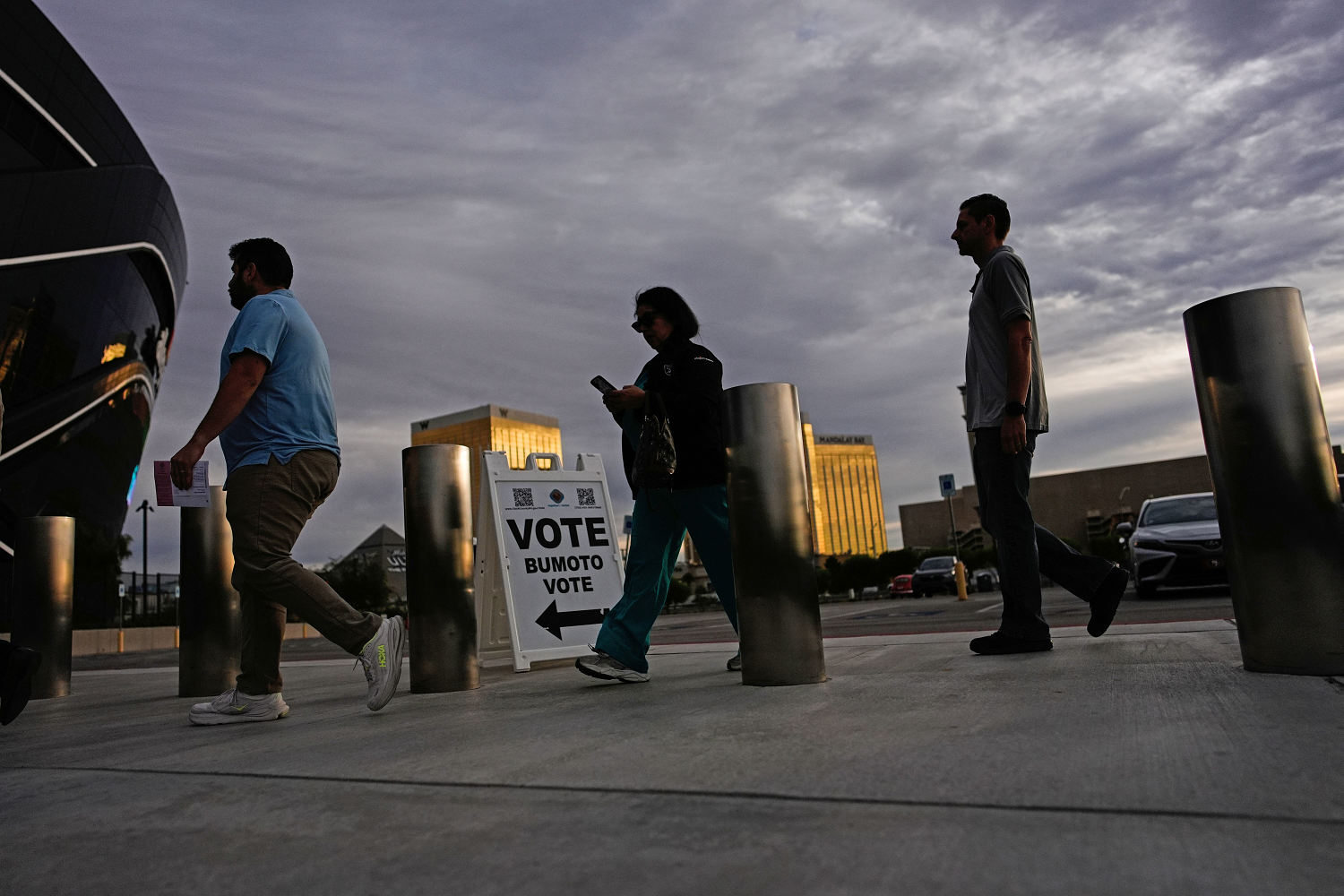
Several candidates who openly supported Palestinians won races, including Abdul El-Sayed, who became Michigan’s first Muslim US senator. More than $40 million was spent by AIPAC to try to defeat him, and his campaign faced Islamophobic rhetoric. Exit polling indicated that most Jewish voters backed El-Sayed; J Street polling found 72% of Jewish voters chose Democrats, despite Republicans gaining ground with Jewish voters compared with 2024.
The incoming House will include candidates with personal or political ties to advocacy for Palestinians, among them a doctor who served in Gaza, a Jewish lawmaker held by Israeli troops while assisting Palestinians with the olive harvest, and a community organizer associated with a student encampment. AIPAC recently said its public endorsements were hurting more than helping pro-Israel candidates and said it would end direct endorsements and contributions.
Democratic unity on Israel and foreign policy remains uncertain. Supporters of a changed approach say the new Congress could consider an arms embargo or penalties targeting violent settlers and officials, although Trump could veto legislation. The election also reflected opposition to the Iran war, with rising costs at gas stations and grocery stores cited as part of its impact on voters. Democratic leaders now face pressure to make opposition to war a clearer part of the party’s foreign policy.
Voters Reject Blank-Check Support for Israel
Voters delivered a clear rebuke to the assumption that backing Israel is a political necessity. Pro-Palestinian candidates won races across the country, and Abdul El-Sayed became Michigan’s first Muslim senator despite more than $40 million spent by AIPAC to defeat him and a campaign marked by Islamophobic rhetoric.
Trump’s election-day suggestion that the United States would end nearly $4 billion in annual military aid to Israel showed how politically exposed the relationship has become. His proposed shift to arms sales may leave support largely intact, but the old bipartisan consensus is no longer secure. The next Congress could debate an arms embargo or sanctions against violent settlers and officials, even though Trump could veto such measures.
The results also undercut efforts to portray support for Palestinian rights as inherently antisemitic. Exit polling suggested most Jewish voters backed El-Sayed, while J Street polling found 72% of Jewish voters backed Democrats. AIPAC’s decision to stop making direct endorsements and contributions followed its acknowledgment that public backing was damaging some pro-Israel candidates.
Democrats still have not settled on a common approach to Israel or foreign wars. But voters have opened space for a party that takes seriously Palestinian rights and the domestic costs of war. Rising prices at grocery stores and gas stations linked the Iran war to everyday life, making continued support for war harder to defend. The test now is whether Democratic leaders act on that message rather than restore the policies voters challenged.
A Chance to Rebuild a Stronger US-Israel Partnership
The election results should not be mistaken for a settled verdict on the value of the US-Israel relationship. They do show that the partnership has become politically vulnerable: Trump proposed ending nearly $4 billion in annual military aid, and pro-Palestinian candidates won races around the country, including Abdul El-Sayed’s Senate contest in Michigan.
The question is what comes next. Ending aid while replacing it with arms sales may change the form of US support without changing much in practice. A serious reassessment should focus on whether policy strengthens American security, rather than treating the current arrangement as beyond debate. A new approach could preserve a strong alliance while addressing the political damage surrounding it.
The campaign against El-Sayed included more than $40 million in AIPAC spending, while his candidacy also faced Islamophobic rhetoric. AIPAC has since said its public endorsements were hurting some pro-Israel candidates and will stop making direct endorsements and contributions. Those developments point to a political strategy that has failed to secure broad support, not a reason to abandon careful debate about the alliance.
The next Congress may consider an arms embargo or sanctions against settlers and officials, but Trump could veto legislation. The midterms also reflected public frustration with the Iran war and its connection to household expenses. That should prompt a tougher discussion about the costs and purposes of foreign policy. The aim should be a more durable partnership rooted in American strength and security, not a reflexive defense of every existing policy or a move that weakens US influence.
Reported by The Guardian US, The Free Press.