Herzog Begins Talks After Israel Election Leaves No Clear Majority
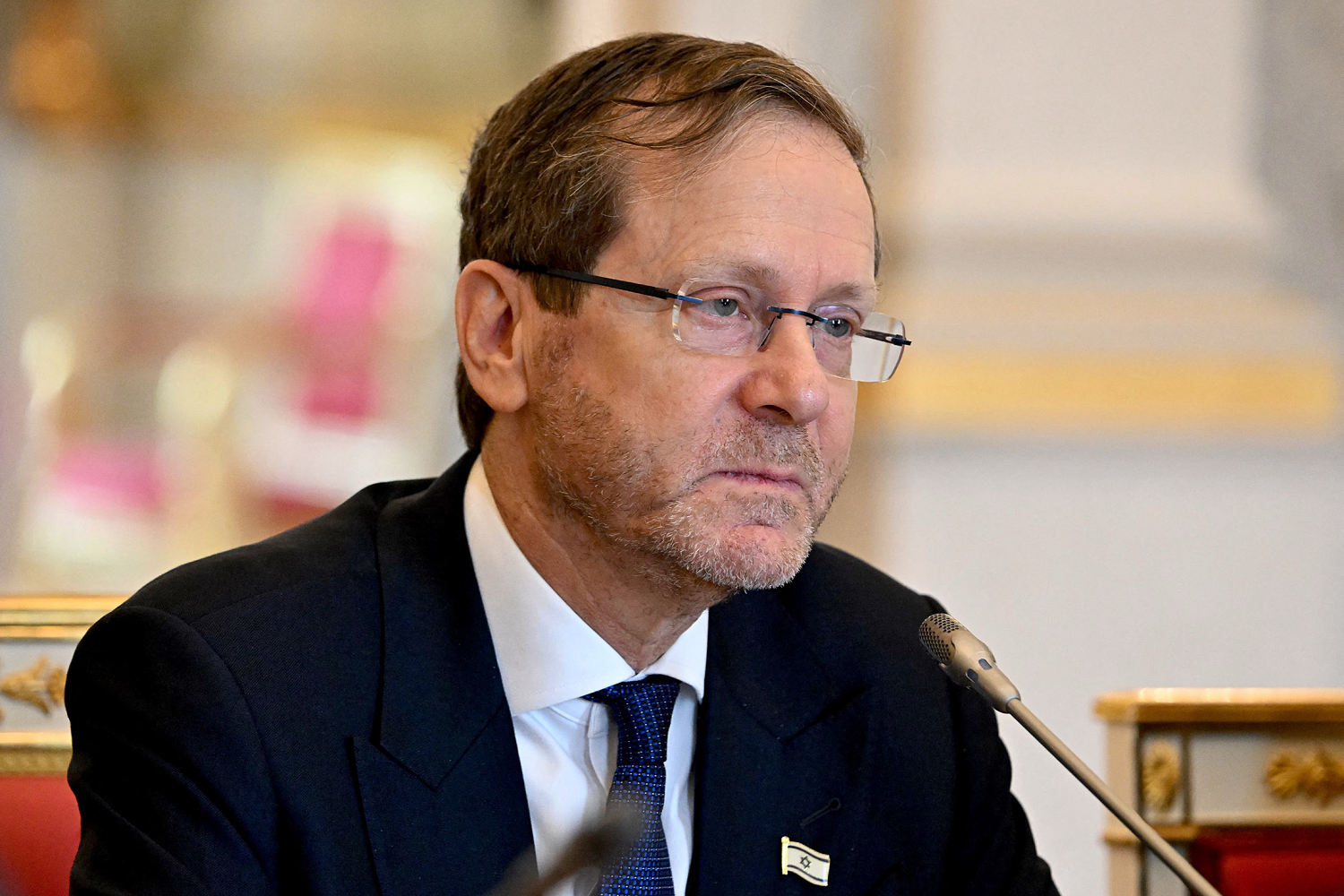
The final count gives Netanyahu’s bloc 53 seats in the 120-member Knesset, while the alliance led by Eisenkot has 48. Arab-led parties won a combined 19 seats, making their support a potential factor in negotiations. Herzog is expected to select a lawmaker to try to form a coalition after meeting party representatives over two days.
Israel’s election commission said its review of complaints detected no misconduct serious enough to undermine the vote or alter its outcome. The committee said the results reflect voters’ choices. A Shin Bet investigation into allegations of foreign interference remains underway; the committee has said any suspected interference would not invalidate the election results.
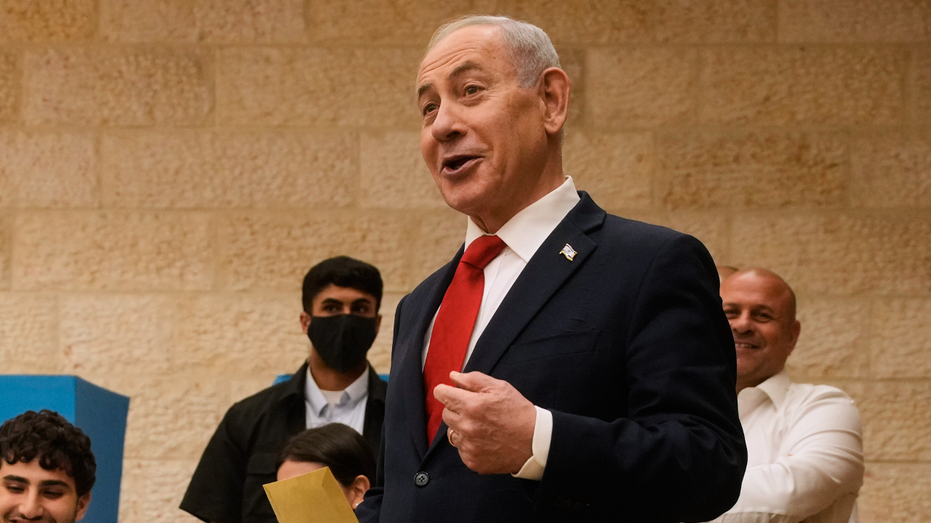
Netanyahu has criticized the prospect of a government relying on Arab-led parties, while a source from the Joint List said the alliance is likely to recommend Eisenkot. Several smaller religious and nationalist parties have said they will recommend Netanyahu.
The lawmaker given the mandate will have 28 days to form a government, with a possible extension of up to 14 days. If both leading candidates fail, a further 21-day period could allow another lawmaker to try; failure to form a government could lead to another election early next year. The new Knesset is set to take its oath of office on November 10.
Israel’s Voters Reject Netanyahu Bloc as Coalition Talks Begin
Netanyahu’s bloc won 53 seats, short of the 61 needed for a majority, while Gadi Eisenkot’s alliance won 48. Arab-led parties secured 19 seats combined, giving them potential leverage as Herzog begins consultations on November 4 to choose who will try to form a government.
The election commission’s review found no evidence that irregularities compromised the vote or affected the result. It said the certified totals reflect voters’ choices. A Shin Bet inquiry into alleged foreign interference is continuing, but the committee has said suspected interference would not undermine the election results as a whole.
Netanyahu has attacked the possibility of a government dependent on Arab-led parties. The Joint List is likely to recommend Eisenkot, and its backing alongside Ra’am could give him recommendations from parties representing more than 61 seats. That would not guarantee he could govern: some opposition leaders are unlikely to join a coalition reliant on the Joint List.
The mandate carries 28 days to form a government, with a possible 14-day extension. If Eisenkot and Netanyahu both fail, another lawmaker could have 21 days to try; otherwise, Israel may face another election early next year. The new Knesset is due to be sworn in November 10.
Arab-Party Support Puts Israel Coalition Talks on Uncertain Ground
Israel’s election has left no bloc with the 61 seats required to govern alone. Netanyahu’s bloc won 53 seats, and the alliance led by Gadi Eisenkot won 48. Arab-led parties, with 19 seats together, could become pivotal as President Isaac Herzog begins consultations on November 4.
The Joint List is likely to recommend Eisenkot, potentially giving him recommendations from parties representing more than 61 seats if Ra’am also backs him. But recommendations do not settle whether a coalition can govern: opposition figures Naftali Bennett and Avigdor Liberman are unlikely to serve in a government that depends on the Joint List. A minority government with outside support is another possibility.
Netanyahu has objected to relying on Arab-led parties, whose positions he has sharply criticized. Several religious and nationalist parties have said they will recommend him. The competing blocs now face weeks of negotiations, with a unity government among the possibilities raised in the discussions.
The election commission said its examination found no evidence of irregularities that affected the result, countering allegations that the vote was invalid. A separate Shin Bet inquiry into suspected foreign interference is ongoing. The candidate chosen by Herzog will have 28 days, with a possible 14-day extension, to assemble a government. If both leading candidates fail, another attempt or an early election next year could follow.
Reported by Fox News, The Philadelphia Inquirer.