Paxton and Talarico Make Final Push in Texas Senate Race
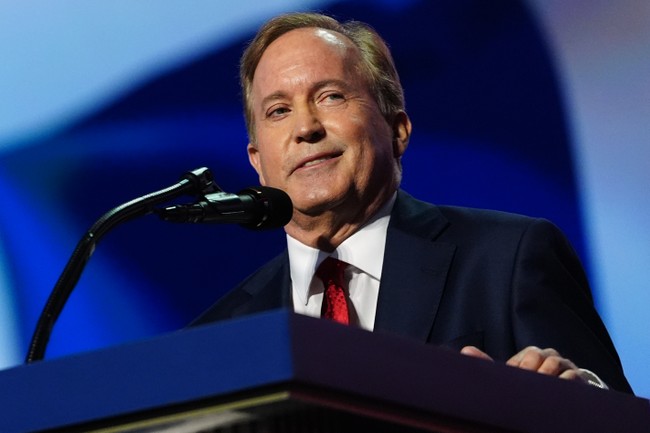
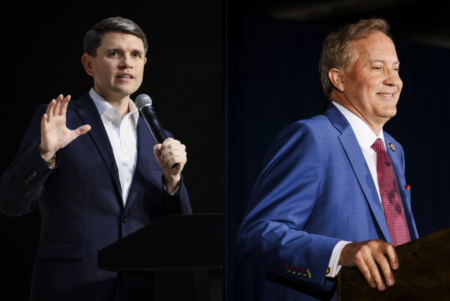
Texas became a focal point of the closing midterm campaign as Paxton and Talarico made their final appeals in a tossup Senate contest. Talarico accused Paxton of serving his own interests, while Paxton portrayed the state lawmaker as too liberal for Texas and warned that Democrats would move the country further left.
Paxton, the state attorney general, won this year’s Republican primary against Sen. John Cornyn with Trump’s support. Talarico, a former teacher and seminarian, cast the contest as a fight against powerful backers of Paxton. Elon Musk has spent more than $150 million to support Paxton, the reports said.
Trump was scheduled to join six telephone rallies on October 31, with events planned for Pennsylvania, Ohio, New York, Michigan and Florida. He had spent recent weeks campaigning in person and was scheduled to hold rallies in Iowa and Kansas on November 1.
In Virginia, House Democratic Leader Hakeem Jeffries campaigned with former Rep. Elaine Luria, who is challenging Republican Rep. Jen Kiggans. Jeffries outlined Democratic plans to pursue votes on health care and voting rights and to investigate the Trump administration if Democrats win the House.
House Speaker Mike Johnson campaigned in a competitive Michigan district and described the election in religious terms, while criticizing Democrats as socialists and communists. Michigan Democrats also faced tensions: Abdul El-Sayed’s campaign was no longer welcoming former primary rival Haley Stevens to events after she renewed criticism of him. Rep. James Clyburn said he was still inviting both to attend church with him on November 1.
Texas Senate Race Puts Paxton’s Record and Trump’s Allies in Focus
The Texas Senate contest has become a test of whether voters will reward a Republican aligned with Donald Trump or choose Democrat James Talarico. Talarico attacked Ken Paxton as a symbol of a corrupt political system, while Paxton tried to turn the race into a warning about Democrats rather than a referendum on himself.
Paxton’s campaign has Trump’s endorsement, and Elon Musk has spent more than $150 million to help support him. Talarico presented the contest as a David-and-Goliath struggle, arguing that ordinary Texans are up against immense wealth and political power. Paxton, meanwhile, said Democrats would push the country further left.
Trump was scheduled to make six campaign appearances by phone on October 31 rather than hold in-person rallies. His schedule included calls concerning contests in Pennsylvania, Ohio, New York, Michigan and Florida. He was set to return to in-person campaigning in Iowa and Kansas on November 1.
House Democratic Leader Hakeem Jeffries campaigned in Virginia with Elaine Luria and promised votes on health care and voting rights, along with scrutiny of the Trump administration. His agenda offers a sharp contrast with Republican priorities. In Michigan, Speaker Mike Johnson cast Democrats as socialists and communists, while Trump shared an anti-Muslim cartoon focused on the state’s Democratic Senate nominee, Abdul El-Sayed.
The Michigan race also showed divisions among Democrats: El-Sayed’s campaign stopped welcoming former primary rival Haley Stevens to events after she criticized him again. The contrast across the campaign is clear: Democrats are emphasizing affordability, rights and accountability, while Republicans are leaning on warnings about the left.
Paxton Warns Texas Against a Democratic Senate Takeover
Ken Paxton made the stakes of the Texas Senate contest plain: a Democratic victory, he warned, would put the country at risk. In a race that has tightened into a tossup, Paxton portrayed James Talarico as an ally of national Democrats and argued that Texas must reject their agenda.
Talarico attacked Paxton as corrupt and pointed to wealthy support for his opponent. Elon Musk has spent more than $150 million to help Paxton keep pace with Talarico’s fundraising. But the Democratic candidate’s focus on Paxton and his backers does not erase the broader choice voters face between the candidates’ competing visions for the Senate.
President Donald Trump was scheduled to call into six campaign events on October 31, covering contests in Pennsylvania, Ohio, New York, Michigan and Florida. He had campaigned in person across the country during October and was scheduled to conduct rallies in Iowa and Kansas on November 1.
In Michigan, House Speaker Mike Johnson urged Republicans to view voting as a duty and warned against what he called socialist and communist Democratic ideas. His message underscored the ideological divide in a close election, even as Democrats promised an aggressive agenda if they take control of the House. Hakeem Jeffries said Democrats would pursue votes on health care and voting rights and investigate the Trump administration.
The campaign’s final stretch is therefore about more than individual candidates: Democrats are promising scrutiny and policy reversals, while Republicans warn that a change in congressional control would empower a radical left. In Texas, Paxton is asking voters to reject that shift.
Reported by The Philadelphia Inquirer, PBS NewsHour, CBS Texas, The Washington Examiner, AZFamily, CNN, WBUR, Raw Story.