Massachusetts Voters Face Test of 2024 Gun Law
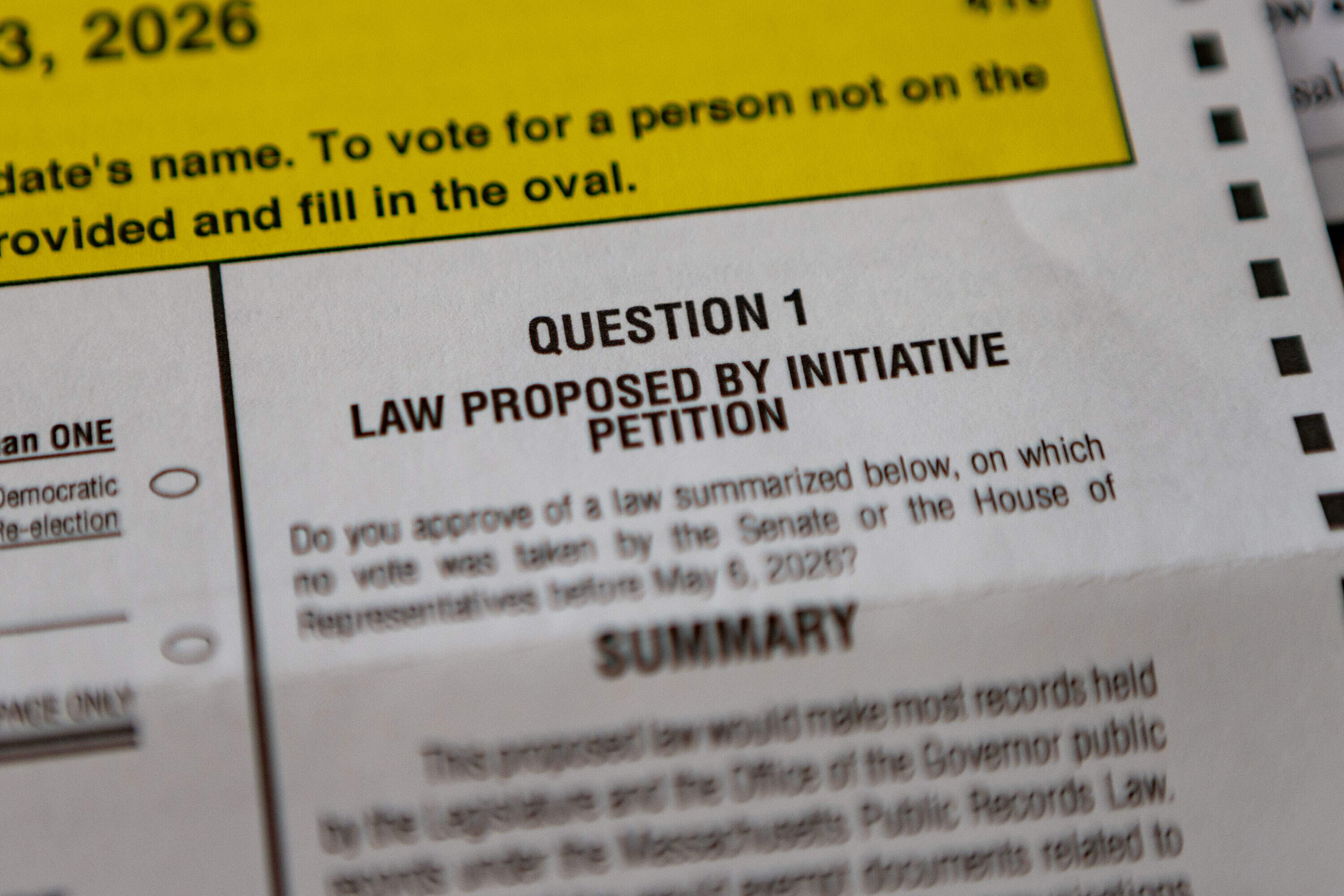
Question 9 asks voters whether to uphold Massachusetts’ 2024 law strengthening firearm restrictions. Approval would keep the statute; rejection would end it. The measure is an unusual statewide effort to roll back a gun law, and its supporters say a win could encourage similar challenges elsewhere.
The law requires serial numbers on firearm components, including those used to make so-called ghost guns. It bars firearms in polling places and schools, expands who can ask courts to remove guns from people considered dangerous, and adds training and licensing requirements. The required safety course covers secure storage, suicide prevention, disengagement and live-fire training.
Toby Leary, who chairs the repeal campaign, argues the restrictions burden lawful gun owners and that lawmakers should focus on illegal gun use. Supporters of the law say it helps prevent gun violence while preserving a legal route to gun ownership. Ruth Zakarin, who leads the campaign to uphold it, says voters want communities protected from gun violence. She points to research linking weaker prevention laws and higher gun ownership with higher gun death rates.
The Legislature passed the law following a 2022 ruling by the Supreme Court that invalidated New York’s public-carry licensing requirement. Governor Maura Healey signed it in July 2024. After repeal advocates gathered signatures, Healey declared the law an emergency that October, preventing it from being suspended before the vote.
The repeal campaign has received donations from local gun clubs and Smith & Wesson, which moved its headquarters to Tennessee in 2021, citing proposed Massachusetts legislation among its reasons. Elsewhere in New England, Maine voters approved a red flag law last year, while a New Hampshire bill barring public colleges from prohibiting weapons died last month.
Massachusetts Gun Safeguards Face a Repeal Push
Massachusetts voters are being asked whether to keep a law designed to reduce access to guns for people deemed dangerous and strengthen safeguards against gun violence. Question 9 would repeal the law if it receives a no vote; a yes vote keeps the protections in force.
The 2024 measure regulates ghost guns, requires serial numbers on firearm components, prohibits guns in schools and polling places, and broadens access to court petitions seeking temporary firearm removal. It also requires safety training that includes secure storage, suicide prevention and live-fire practice. Supporters say the law maintains a legal path to owning guns while making it harder for people with a history of violence to obtain firearms.
Ruth Zakarin, who chairs the campaign to uphold the law, says voters consistently want their communities protected from gun violence. She cites research connecting weaker gun-prevention laws and higher gun ownership with higher gun-death rates. Massachusetts officials have long pointed to the state’s low gun death rate.
The repeal campaign argues the law infringes on constitutional rights and distracts from illegal gun use. But its challenge puts public safety protections passed by the Legislature after a 2022 Supreme Court ruling at risk. Healey put her signature on the law in July 2024 and declared it an emergency that October, preventing advocates from suspending it ahead of the vote.
Voters Can Reject Massachusetts’ Expanded Gun Restrictions
Question 9 gives Massachusetts voters a chance to reject a sweeping expansion of gun restrictions. A no vote would repeal the 2024 law; a yes vote would preserve it. Gun-rights advocates say the measure burdens lawful owners instead of focusing on people who use guns illegally.
The law regulates ghost guns, requires serial numbers on firearm components, bars firearms at schools and polling places, and expands who can petition courts to remove guns from people considered dangerous. It also adds licensing and training requirements, including live-fire instruction and courses on storage, suicide prevention and disengagement.
Toby Leary, who leads the repeal campaign, argues the restrictions go beyond reasonable regulation and infringe constitutional rights. He says laws cannot change a criminal’s intent. The campaign collected tens of thousands of signatures following Healey’s July 2024 approval of the law, and it has received donations from local gun clubs and Smith & Wesson.
The law’s supporters say it saves lives and preserves a legal way to own firearms. Yet a statewide vote offers a direct check on lawmakers’ decision to tighten restrictions after a 2022 Supreme Court ruling. Healey declared the law an emergency in October 2024, blocking advocates from suspending it before voters decide.
Reported by The Boston Globe, CBS Boston.