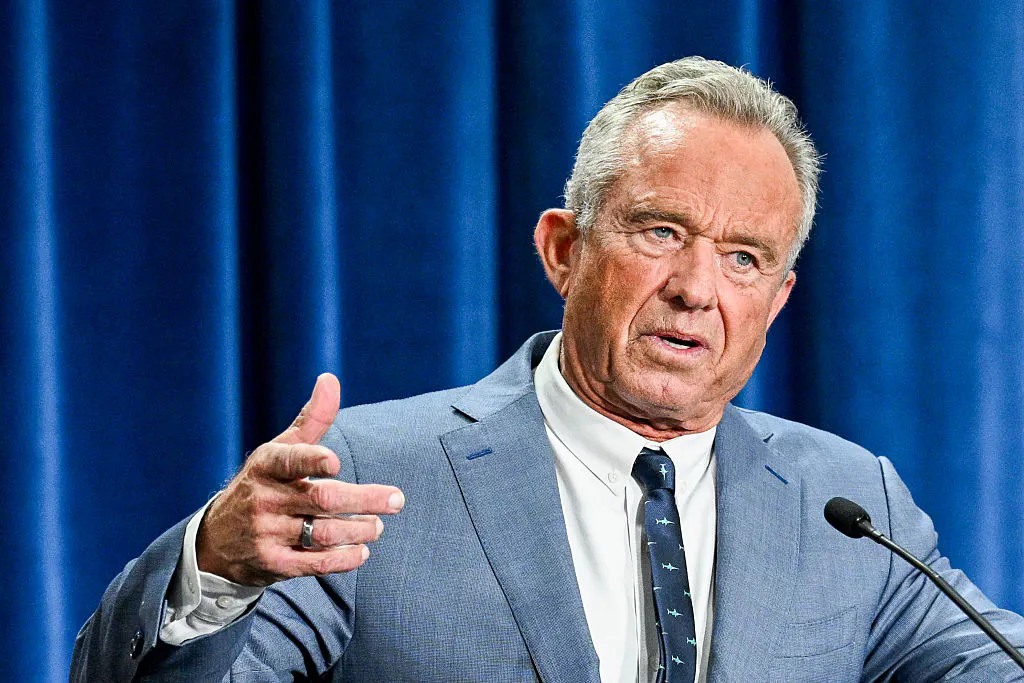
Kennedy Says Arabs Do Not Produce Science at Michigan Rally
Kennedy made the remarks at a campaign rally with Republican Senate candidate Mike Rogers and gubernatorial candidate John James. He was discussing the Muslim Brotherhood, which Rogers has invoked in his race against Democrat Abdul El-Sayed. Kennedy said criticism of the group was not Islamophobic and described people living under its influence as trapped in a culture of violence and stagnation.
He then claimed that the world’s 500 million Arabs do not produce science or literature and do not win major prizes, including the Nobel, Fields and Wolf awards. The claim is contradicted by documented laureates: Ahmed Zewail, a chemist from Egypt, received the 1999 Nobel award for chemistry, and Egyptian author Naguib Mahfouz received literature’s Nobel honor in 1988. Yemeni campaigner Tawakkol Karman was a co-recipient of the 2011 Nobel award for peace. Other Arab Nobel and major prize winners include Mohamed El Baradei and Jordanian-born chemist Omar Yaghi.
El-Sayed has repeatedly rejected any association with the group and openly repudiated it. Rogers has continued to question El-Sayed about the organization, including during their October 21 debate. The issue has become a point of contention in the Senate campaign.
Kennedy visited Corewell Health on October 26 to promote an HHS hospital nutrition initiative before joining the candidates at the rally. He is scheduled to appear at a health-themed rally in Des Moines, Iowa, on October 28.
Kennedy’s Attack on Arab Contributions Undercuts His Own Claims
A federal health secretary used a Republican campaign rally in Grand Rapids to make a sweeping claim about Arabs: that the world’s 500 million Arabs do not produce science or literature and do not win major prizes. The record contradicts him. Egyptian scientists and writers, a Yemeni activist and other Arab recipients have won Nobel Prizes; Jordanian-born chemist Omar Yaghi won the 2025 chemistry prize.
Kennedy’s remarks came while discussing the Muslim Brotherhood, an issue Republicans have pressed in Michigan’s Senate race. Mike Rogers has sought to link Democrat Abdul El-Sayed to the organization. El-Sayed has denied ties and publicly disavowed it. Kennedy’s move from criticism of a political organization to a sweeping dismissal of Arab achievement risks turning a campaign attack into an indictment of an entire ethnic group.
The stakes are especially clear in Michigan, where residents reporting Arab ancestry make up the largest share of any state’s population. Kennedy had been in Grand Rapids earlier for an official HHS event promoting hospital nutrition before joining Rogers and Republican gubernatorial candidate John James on the campaign trail.
The documented laureates make the central claim untenable. Rather than address El-Sayed’s repeated denials on their merits, the rally placed the candidate in a broader argument about Arabs and Muslims, identities that are not interchangeable.
Kennedy’s Brotherhood Criticism Gets Lost in Prize Dispute
Kennedy went to Grand Rapids to campaign with Republican Senate candidate Mike Rogers and gubernatorial candidate John James, and focused his remarks on the Muslim Brotherhood. He argued that condemning the organization is not hostility toward Islam, describing its influence as a source of violence and stagnant societies. That political argument matters in a close Senate contest where Rogers has questioned Democrat Abdul El-Sayed about the group.
El-Sayed has repeatedly rejected claims of a connection and publicly disavowed the Brotherhood. Rogers has continued pressing the issue, including at their October 21 debate. Voters are left with a dispute over the organization’s place in the race and El-Sayed’s answers to his opponent.
Kennedy also made a much broader assertion, saying Arabs do not produce science or literature or win major prizes. That claim is contradicted by the record: Arab laureates include Egyptian chemist Ahmed Zewail, Egyptian novelist Naguib Mahfouz and Yemeni activist Tawakkol Karman. Jordanian-born chemist Omar Yaghi received the 2025 Nobel Prize in Chemistry.
The factual error gives critics a powerful reason to challenge Kennedy’s speech, but it does not erase the question his appearance raised about the Muslim Brotherhood. Kennedy had first visited Corewell Health for an official nutrition initiative; he then joined the Republican candidates at their campaign event.
Reported by Newsweek, The Daily Wire, MSNBC, The New Republic, ClickOnDetroit WDIV, The Blaze, The Guardian US.





