Trump Weighs Renewed Iran Strikes After Military Briefing
Adm. Brad Cooper, who leads U.S. forces across the region, met with Trump at the White House on October 28 alongside Defense Secretary Pete Hegseth and Joint Chiefs Chairman Gen. Dan Caine. The rare in-person briefing covered military options for Iran and other issues, including the U.S. blockade in the region.
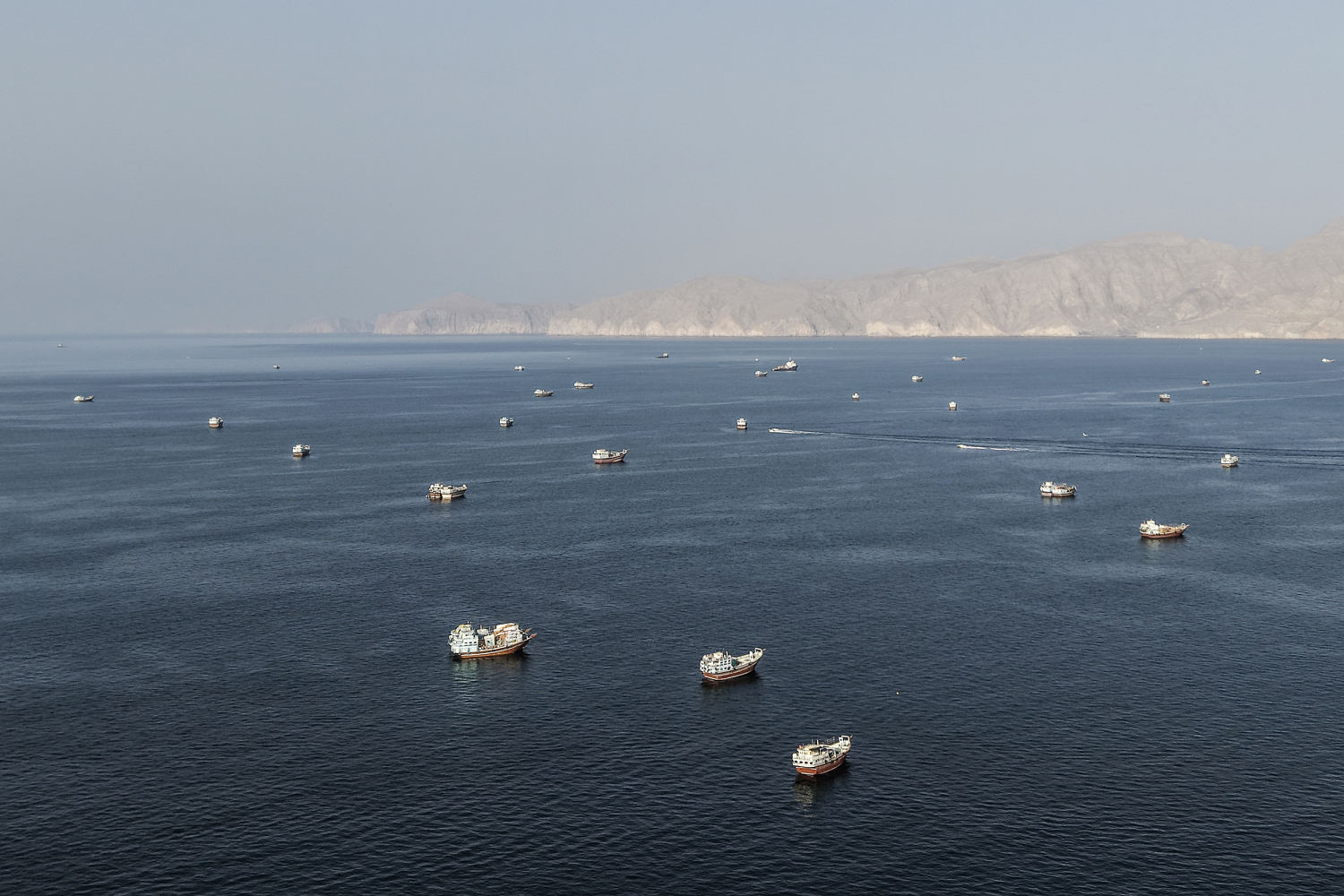
The administration is weighing whether to resume major combat operations. U.S. officials have told Middle Eastern countries to prepare for possible action after the midterms, including a campaign lasting several days and Iranian retaliation against energy facilities or other infrastructure.
Diplomacy remains in play. Vice President JD Vance has engaged one of Iran’s powerful hard-line figures in an effort to revive peace negotiations. Trump said at a rally last week that the United States might launch another round of “Epic Fury,” alluding to the previous U.S.-Israeli airstrike operation, or Iran might agree to a deal.
The White House said Trump keeps all options available to prevent Iran from obtaining a nuclear weapon. Sen. Chris Murphy, a Democrat who said he had received a briefing on classified planning, condemned the possible plans and warned they could lead to severe escalation and undermine the rule of law.
The briefing comes as the administration considers its next steps after the midterms. Regional allies have been urged to take precautions against possible Iranian retaliation.
Trump’s Iran Strike Planning Risks a Wider War
The Trump administration is weighing another round of attacks on Iran, and its top Middle East commander came to the White House to brief the president on options. Adm. Brad Cooper met with Trump on October 28 alongside Defense Secretary Pete Hegseth and Joint Chiefs Chairman Gen. Dan Caine, as officials considered resuming major combat operations.
U.S. officials have told countries in the region to prepare for possible strikes after the November 3 midterms, potentially lasting several days, and for Iranian retaliation against energy sites and other infrastructure. That is the danger at the heart of the administration’s approach: military escalation could spread well beyond the immediate targets.
Diplomatic efforts are also underway, with Vice President JD Vance engaging a powerful Iranian hard-liner in an attempt to revive negotiations. Yet Trump has publicly floated another “Epic Fury” campaign. Sen. Chris Murphy, who said he had been briefed on classified plans, warned that the prospect of renewed strikes could bring devastating escalation and damage the rule of law.
The White House says Trump is keeping options open to prevent Iran from obtaining a nuclear weapon. But that rationale does not erase the risks of choosing force while negotiations remain possible and regional allies are already being told to prepare for retaliation.
Trump Keeps Iran Options Open as Military Leaders Brief Him
President Trump is weighing military options to ensure Iran never obtains a nuclear weapon, and his senior commanders have briefed him as the administration prepares for what may come next. Adm. Brad Cooper, who leads U.S. forces across the region, met with Trump on October 28 alongside Defense Secretary Pete Hegseth and Joint Chiefs Chairman Gen. Dan Caine.
Officials have told Middle Eastern countries to prepare for possible action after the November 3 midterms, including a campaign of several days and the possibility of Iranian retaliation against energy facilities and other infrastructure. The preparation underscores the stakes of deterring Iran and protecting regional partners.
Diplomacy has not been abandoned: Vice President JD Vance has engaged a powerful Iranian hard-liner in an effort to revive negotiations. Trump has said Iran could still agree to a deal, while also keeping the option of another military campaign open. The White House says the president is focused on preventing Iran from acquiring a nuclear weapon.
Sen. Chris Murphy condemned the potential plans and warned of escalation and harm to the rule of law. But keeping options available while pursuing talks is not the same as deciding to strike. The administration faces a choice between continued diplomacy and military action, with regional allies preparing for either outcome.
Reported by Raw Story, Hot Air, Daily Mail US.