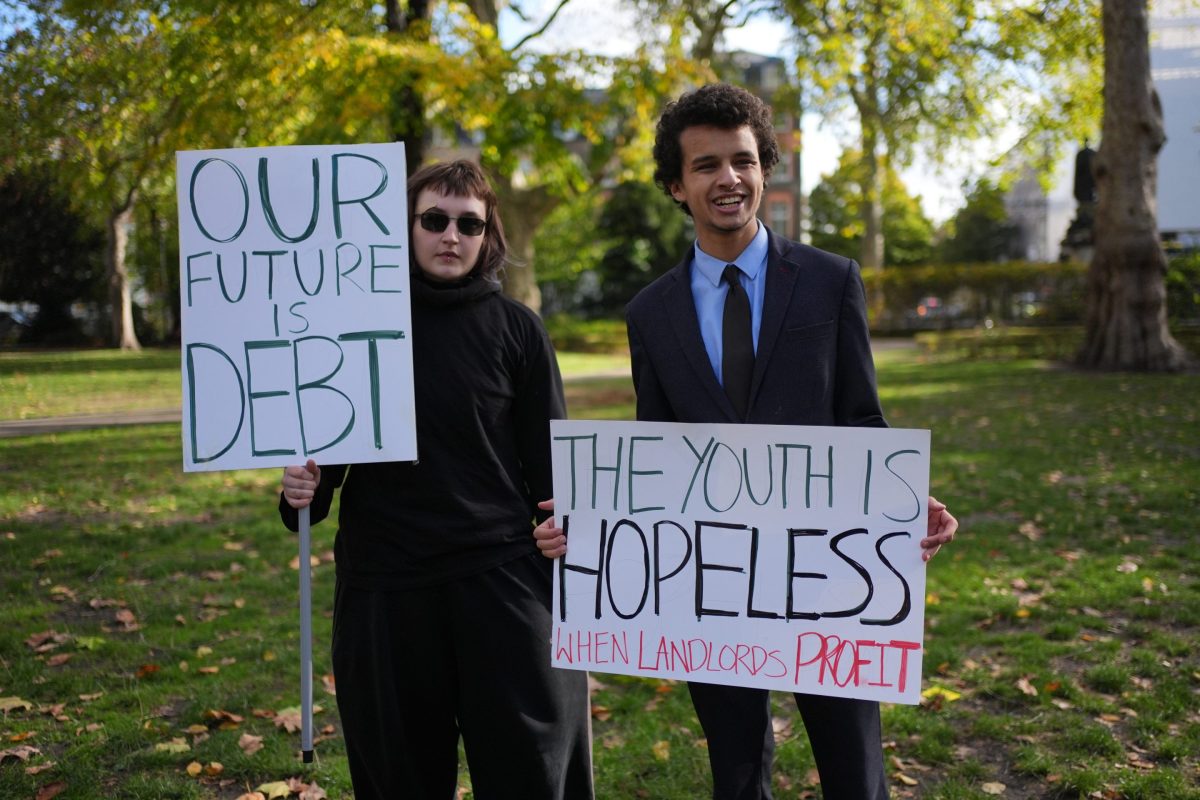
Young Men Drift From Trump as Midterm Turnout Remains Uncertain
Donald Trump won 55% of male voters ages 18 to 29 in 2024, but polls now suggest that some young men who supported him are moving toward Democrats or may stay home in the November 3 midterms. A recent Pew Research Center poll found that 49% of young people who voted for Trump approve of his performance. A survey of Gen Z men found a 17-point Democratic advantage among those most likely to vote.
Some young men interviewed said they regret their 2024 choice, citing unmet expectations on living costs, housing and the economy. Others said they have become weary of politics. Disappointment over the war with Iran has also alienated young Trump voters who favored a less interventionist foreign policy; some young men across the political spectrum support ending aid to Israel.
Turnout could be a challenge for Democrats as well as Republicans. A Harvard Institute of Politics poll found about one-third of Republicans ages 18 to 29 said they would definitely vote, compared with 46% who planned to vote before the 2022 midterms. Young people generally vote at lower rates.
A separate debate concerns what Gen Z means when it expresses support for socialism. A June survey found 53% viewed socialism favorably and 45% capitalism, while other surveys showed many young adults investing, planning businesses or moving investment money into sports betting. Researchers and economists describe young people’s priorities as including affordable housing, stable careers and economic security; they disagree over how difficult homeownership has become and what policies could help.
Democratic Sen. Ruben Gallego said his party needs to deliver on raising wages and making home purchases easier if young men give it their support. Weakening support among young men could also complicate Vice President JD Vance’s prospects in 2028.
Young Men Reject Trump’s Broken Economic Promises
Young men who helped return Donald Trump to the White House are now questioning what they got in exchange. Trump won 55% of male voters ages 18 to 29 in 2024, but one poll found only 49% of young Trump voters approve of his performance, and a survey of likely Gen Z voters found Democrats ahead by 17 points among young men.
The discontent centers on everyday security: housing that feels out of reach, living costs and the promise of better economic prospects. Some young voters also see the war with Iran as a betrayal of Trump’s pledge to avoid prolonged foreign conflicts. Young people across the left and right share support for ending aid to Israel.
The same generation is often described as turning toward socialism: a June survey found 53% of Gen Z viewed it favorably, compared with 45% for capitalism. But the underlying demands include homes, careers and a fair chance to build wealth. Those are practical goals, not proof that young people have abandoned economic ambition.
Democrats have an opening, but it will not be secured by courting young men on podcasts alone. Sen. Ruben Gallego said Democrats must produce on wages and housing. With only about one-third of young Republicans saying they will definitely vote, turnout is uncertain; Democrats will need policies that make a material difference if young men place their trust in them.
Young Men’s Discontent Doesn’t Mean They’ve Embraced Socialism
Young men are frustrated with Donald Trump, but that does not mean they have signed on to a socialist program. Trump won 55% of male voters ages 18 to 29 in 2024; some now regret their choice over economic expectations and foreign policy, while others say politics has left them disillusioned. A survey found 49% of young Trump voters approve of his performance.
Gen Z’s views contain a striking contradiction: a June poll found 53% favorable toward socialism and 45% toward capitalism, while surveys also show young adults investing, starting businesses and seeking ways to get ahead. Their stated priorities—homes, careers and economic security—are not exclusive to socialism.
The real question is whether government policies can make those goals more attainable, not whether young voters have rejected markets. Economists disagree about housing affordability: one researcher points to the high cost of a middle-class life and declining proportions of workers making enough to provide for a household, while another argues that homeownership can remain achievable with different choices about location and home size.
Only about one-third of young Republicans said they would definitely vote in the midterms, leaving turnout in doubt. Democrats hope to win young men by promising higher wages and easier home buying. But the generation’s mixed views offer no guarantee that frustration with Trump will translate into support for Democrats—or their preferred economic policies.
Reported by The Christian Science Monitor, Fortune.