Iowa Explosives Crisis Fuels White House Scrutiny of Army Leaders
On November 25, the Army said residents could return after detonating about five tons of degraded lead azide at a munitions plant in southeastern Iowa. The Army reported detecting no airborne lead after the operation, which Acting Army Secretary Adam Telle called a major success. President Donald Trump praised the Army publicly, while privately expressing anger about the handling of the threat, officials said.
The Army had notified federal environmental regulators in March that an inspection found 68 barrels of potentially unstable chemicals. Former Army Secretary Dan Driscoll did not raise the danger with senior officials, according to some officials; a separate account said the Army notified Defense Secretary Pete Hegseth’s office early, though other officials said the message never reached him. Driscoll left his post in September as friction with Hegseth grew.
Telle learned about the chemicals in September but did not brief his superiors, officials said. Administration officials have discussed moving him from the acting secretary role in the coming weeks. Army Chief of Staff Gen. Christopher LaNeve has also figured in internal discussions.
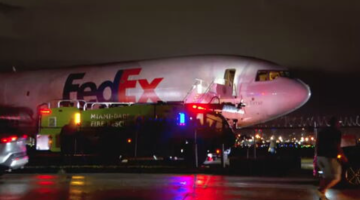
Officials were caught off guard by the scale of the problem while returning from Trump’s Asia trip. White House chief of staff Stephen Miller coordinated calls from Air Force One involving nearly every Cabinet member and about a dozen agencies. Officials differed on when they concluded a controlled blast was the only safe option: Vice President JD Vance said the administration learned about the danger around six months earlier, while other officials put that conclusion roughly eight weeks earlier.
Iowa’s incoming governor, Rob Sand, called the lead-up chaotic and unclear and demanded transparency. Trump accused Sand of delaying the process and making groundless complaints. Other officials defended career staff, saying they had appropriately discussed how to address the danger.
Army’s Months-Long Iowa Failure Leaves White House Scrambling
On November 25, the Army detonated about five tons of degraded lead azide at an Iowa munitions plant, then said it detected no airborne lead. The operation succeeded, but the administration’s delayed, chaotic response to the danger raises serious questions about accountability in the Army’s chain of command.
The Army had informed the Environmental Protection Agency in March that an inspection found 68 barrels of potentially unstable chemicals. Former Army Secretary Dan Driscoll did not elevate the threat to senior officials, according to some officials. While another account said Hegseth’s office was notified early, others said the message did not reach him. Acting Army Secretary Adam Telle learned of the chemicals in September and did not brief his superiors, officials said. The administration has discussed moving him from the acting role.
Officials were blindsided by the problem while returning from Trump’s Asia trip, prompting the White House’s top aide, Stephen Miller, to coordinate calls with nearly every Cabinet member and about a dozen agencies. Accounts also diverged on when officials judged that a blast under control offered the sole safe course.
Governor-elect Rob Sand was right to demand transparency about a lead-up he called chaotic and unclear. Trump instead attacked Sand, despite the unanswered questions about how the Army handled a hazard it had known about for months. The successful blast does not erase the need to account for those failures.
Successful Iowa Blast Exposes Army Leadership Failures
On November 25, the Army carried out a controlled detonation of about five tons of degraded lead azide at an Iowa munitions plant. It reported detecting zero airborne lead and cleared residents after the operation. The result was a success, but Army leaders must answer for how a serious hazard reached a crisis point before senior officials understood its scale.
The Army advised the Environmental Protection Agency in March that an inspection had uncovered 68 drums containing chemicals that could be unstable. Some officials said former Army Secretary Dan Driscoll failed to alert senior leaders; another account said Hegseth’s office received early notice, while others said the message never reached him. Acting Army Secretary Adam Telle learned about the chemicals in September but did not brief his superiors. Officials have discussed moving him from the acting post, and Gen. Christopher LaNeve has also arisen in internal conversations.
Administration officials were caught off guard while returning from Trump’s Asia trip, triggering an intensive response coordinated by White House chief of staff Stephen Miller from Air Force One. The administration’s response involved nearly every Cabinet member and about a dozen agencies. Officials offered differing timelines for when they decided a controlled blast was the only safe approach.
Trump praised the Army’s operation, while criticizing Governor-elect Rob Sand for his complaints. Sand had called for transparency and described the lead-up as chaotic. Officials also defended career staff, saying they had appropriately discussed the problem. The central issue now is whether Army leadership handled warnings and communication responsibly.
Reported by Raw Story, The Daily Beast.