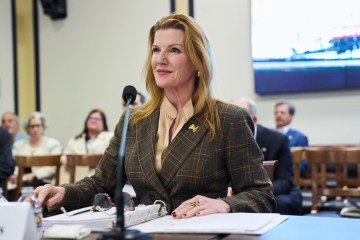
National Cyber Director Sean Cairncross Resigns Amid Outages
Sean Cairncross is leaving his post as head of the Office of the National Cyber Director after a week of widespread technology disruptions. His departure was described as amicable, and sources said he did not want to remain in the Trump administration for another two years. He also wanted time for the Senate to confirm a successor ahead of January, when Democrats are set to assume control of Congress.
The outages included a near-daylong interruption to Microsoft Outlook and a Federal Aviation Administration ground stop prompted by a system error. Banks and airlines also experienced service problems. The causes of the various disruptions have not been established as a single event.
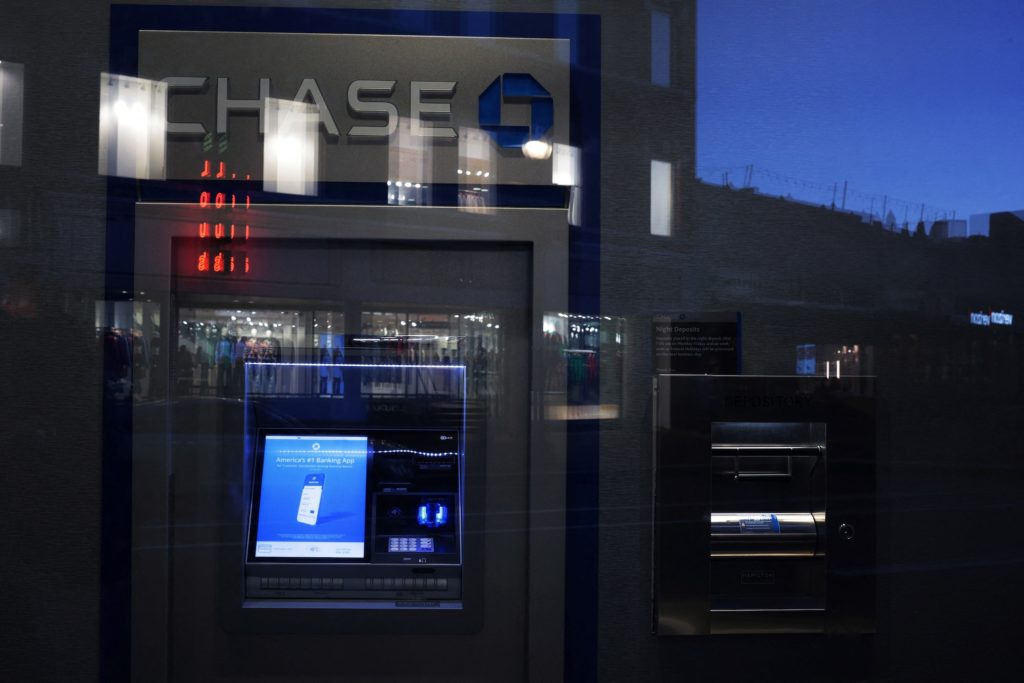
Separately, JPMorgan Chase said a breach of marketing data held by third-party vendors could have exposed customer names and email contacts. Visa said payment data and card numbers were not involved. Mastercard said a small number of cardholders in a particular rewards program were affected. Chase said the breach was not connected to the broader outages and that its services had not suffered additional disruptions from the hack.
The cyber extortion group n0n claimed responsibility for the vendor breach. The bank said it would contact affected customers and offer support and credit monitoring where appropriate. Some Trump administration officials and technology insiders have suggested rapid, AI-assisted software patching may have contributed to outages; cybersecurity experts have questioned whether that explanation accounts for their number and pattern. It remains unclear whether the vendor breach was connected to malware found at companies using Optimizely.
Cyber Chief Exits as Outages Put White House Oversight in Focus
The resignation of National Cyber Director Sean Cairncross comes as a cascade of outages has disrupted major services, putting the Trump administration’s cybersecurity leadership under scrutiny. The White House official’s departure leaves the administration facing questions about its response as banks, airlines and federal agencies contend with system failures and cyber threats.
The disruptions included Microsoft Outlook being unavailable for nearly a day and an FAA ground stop caused by a system error. Banking and airline services were also hit. Officials and technology insiders have pointed to rapid, AI-assisted software patches as a possible factor, while cybersecurity experts have questioned whether that accounts for the scale and pattern of the outages.
Separately, JPMorgan Chase said a breach of marketing information at outside vendors may have exposed customers’ names and email contacts. Visa said card numbers and payment data were not taken, and Mastercard said the breach affected a small number of people in a specific rewards program. Chase said this breach was not connected to the wider outages.
Cairncross’s exit was described as amicable. Sources said he did not want to stay for another two years and wanted the Senate to approve a successor ahead of January, when Democrats are set to assume control of Congress. The departure nevertheless comes at a consequential moment for the administration’s cyber leadership, while the causes of the broader disruptions remain unsettled.
Cairncross Seeks Successor Confirmation Before Senate Shift
Sean Cairncross’s exit from the White House’s top cyber policy office is described as amicable, and sources say he did not want to serve another two years in the administration. He also wants the Senate to have a chance to approve his successor ahead of January, when Democrats are set to assume congressional control, making an orderly transition a central part of the timing.
His resignation comes during a week of technology outages affecting services across the country. Microsoft Outlook was down for nearly a day, the FAA issued a ground stop because of a system error, and banks and airlines reported disruptions. The events have prompted competing explanations: some administration officials and technology insiders have pointed to rapid software patching, while cybersecurity experts have questioned whether that explains the pattern.
A separate breach involving third-party vendors may have exposed names and email addresses associated with JPMorgan Chase’s marketing data. Chase said the breach was not tied to the broader outages and caused no additional disruption to its services. Visa said payment data and card numbers were not part of the stolen information; Mastercard described a limited impact on a particular rewards program.
The various incidents have not been established as one connected attack. The reported facts do not show that Cairncross’s resignation was caused by the outages, while the administration will need a successor as those disruptions and their causes remain under examination.
Reported by The Daily Wire, Daily Mail US, The Daily Beast, CBS News, Raw Story, New York Post, NBC News, Yahoo News, CNN, The Guardian, Fox News, The Washington Examiner, Hot Air, Newsweek, The Philadelphia Inquirer, CBS Miami, The Boston Globe, Business Insider, TechCrunch, BBC, Semafor, Engadget, Townhall, Denver7, ABC News, FOX 5 New York, The New Republic.