Sanctions Target Iran’s Financial Lifelines

Washington’s latest Iran sanctions aim at the routes that turn export earnings into usable money. On November 23, 2026, the Treasury Department announced penalties against Iranian exchange houses, overseas companies and financial operatives. It accused them of moving billions through a “shadow banking” network. Officials say the system helps Iran sell oil and petrochemicals, settle payments and trade abroad despite U.S. restrictions. The action spans Iran and markets in the United Arab Emirates, Turkey and Hong Kong. It is part of a broader effort to restrict the government’s revenue and payment channels. The Treasury action is the latest phase of a campaign called Operation Economic Outcast.
The Treasury describes the network as overseen by Iran’s central bank. It says the system relies on domestic currency exchanges and bank-affiliated “rahbar companies.” Officials say these firms use thousands of foreign shell companies to move money and arrange transactions. The method also gives Iran alternatives to dollar-based trade. Treasury says the central bank has used bonds issued by Iran’s currency and gold exchange center to support transactions in Russian rubles and Chinese yuan. The center, a principal target, matches exporters with foreign currency to importers seeking overseas goods. It handles tens of billions of dollars in trade each year.
Treasury’s Financial Crimes Enforcement Network separately disclosed that it identified about $14.7 billion in potentially related financial activity. The activity dates from January 2025 through August 2026. The figure estimates activity flagged as potentially connected to the networks. It does not establish that every transaction was illicit. The scale helps explain why sanctions target more than oil sales. They also focus on intermediaries and payment mechanisms that can help turn proceeds into imports or other spending. The reported estimate offers a measure of the financial channels under scrutiny.
The named targets show how widely the alleged channels extend. Treasury sanctioned a rahbar affiliate associated with Iran’s Bank Sarmayeh and three senior officials. It also targeted two Iranian currency dealers and their owners or officials. Ten exchange-house front companies in the UAE, Turkey and Hong Kong were designated. Treasury alleges that Dubai-based Recaz Star General Trading sent and received hundreds of payments worth more than $170 million connected to Sadaf Exchange. Another Dubai firm, OGA Global General Trading, allegedly processed millions in transactions for the state-owned National Iranian Tanker Company. Other listed firms in Hong Kong, Turkey and Dubai are accused of handling oil, petrochemical or copper-related proceeds.
A separate designation invokes counterterrorism authorities. Treasury alleges Dubai-based H N B Trading received money from a company linked to Iran’s Armed Forces General Staff. The funds allegedly helped pay for a vessel charter alongside a sanctioned shipping company. The sanctions generally freeze U.S.-jurisdiction property belonging to designated parties. They also bar Americans from dealing with them. Companies at least 50 percent owned by a designated party are covered too. Foreign financial institutions that knowingly facilitate significant transactions for targeted networks risk losing access to U.S. correspondent banking services. Treasury says people reporting violations that lead to penalties above $1 million may qualify for federal awards.
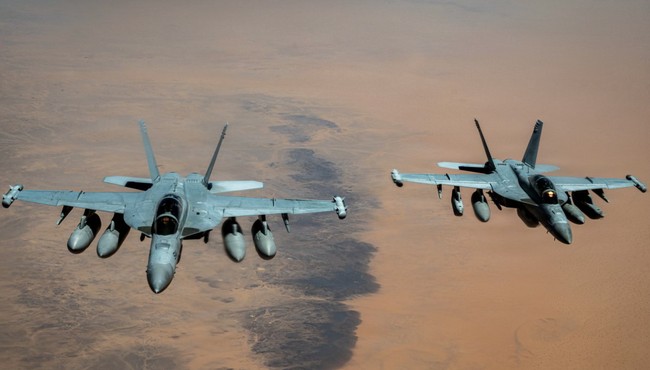
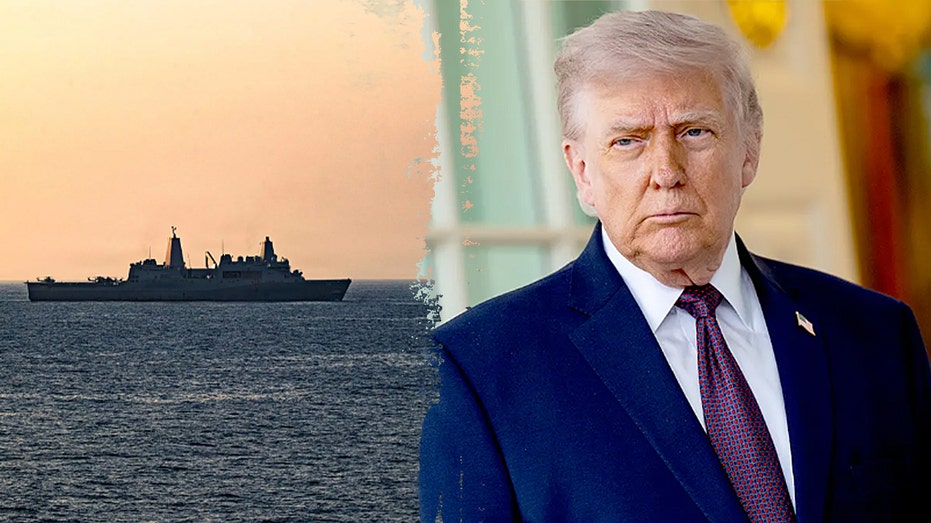
The campaign follows other financial measures this year. Operation Economic Outcast began on August 24. An earlier round targeted Banque Misr UAE over an estimated $1.8 billion in transactions that Treasury said might relate to Iranian shadow banking. A separate action on the Friday before the November 23 announcement targeted oil intermediaries. They were accused of withholding billions in proceeds from earlier sales. The administration says a U.S. naval blockade has halted Iran’s seaborne oil exports. Treasury said Iran had not loaded oil onto vessels since the operation began. The continuing confrontation has a much longer history of international sanctions against Iran. The United States and other governments imposed those measures over a range of policies. The wider sanctions context predates this particular campaign.
Economic pressure is also visible in remarks and events inside Iran. President Masoud Pezeshkian described the pressure as a “silent war.” He said it was harder to bear than attacks involving missiles and destruction. Truck drivers began striking in several cities on November 22. They protested operating costs, freight rates and worsening conditions. Reports described work stoppages and possible delivery disruptions. Iran’s Foreign Minister Abbas Araghchi said on November 23 that Tehran would seek more trade with neighboring countries. He also said it would pursue negotiations to lift sanctions. The Foreign Ministry, meanwhile, warned it would use all available means against the U.S. blockade. The government’s response to the blockade underscores that the financial campaign is unfolding alongside a wider military and diplomatic standoff.
The administration says the networks help Iran evade restrictions and support activities abroad. The State Department said they help Tehran buy weapons and support proxy groups. Treasury’s charges against the designated firms and individuals are allegations, not independent findings of liability. Iran’s leaders have stated their own response: seek other trade channels, negotiate sanctions relief and resist the blockade. Whether the new measures can close payment routes without widening the confrontation remains unresolved. The next test is practical: whether the designated networks are disrupted. Another question is whether foreign banks and brokers judge U.S. penalties too risky to keep serving them.
For my part, the $14.7 billion estimate is striking, but its “potentially linked” qualification matters. A sanctions announcement is a tool, not a verdict on every transaction it identifies. Enforcement details will tell more than the rhetoric around it.
Reported by Fox News, The Daily Caller, Hot Air, Breitbart, Townhall.