Iranian Threats Raise Risk of Renewed Gulf Fighting
On November 19, accounts of Iranian attacks on commercial vessels and a possible effort to send oil tankers through the U.S. naval blockade raised concerns that the pause in fighting could collapse. Reports differed on whether Tehran was preparing one tanker or a larger group, and no Iranian official had publicly confirmed the plan described in the accounts.
The reported warning was that interference with the tankers could prompt strikes on oil facilities in Gulf countries, including the United Arab Emirates, Saudi Arabia, Qatar, Kuwait, Oman and Bahrain. Separate accounts said Iran’s Revolutionary Guard had increased attacks on cargo ships in the Strait of Hormuz and launched drone and missile strikes against Kuwait and Bahrain.
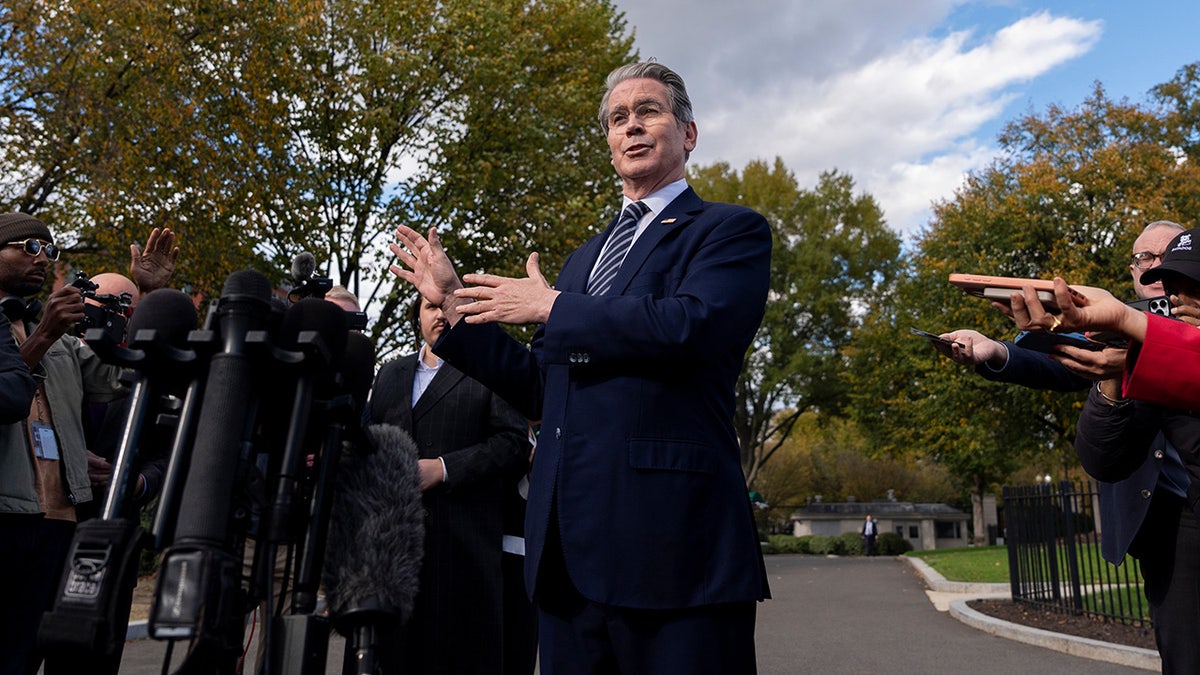
Iranian negotiator Mohammad Bagher Ghalibaf told parliament on Sunday that the country would not accept a prolonged state between peace and war. Hamidreza Azizi, an analyst with the International Crisis Group, said rising economic pressure could make Tehran more willing to take military risks. Oil shipments through the strait were also said to be falling sharply.
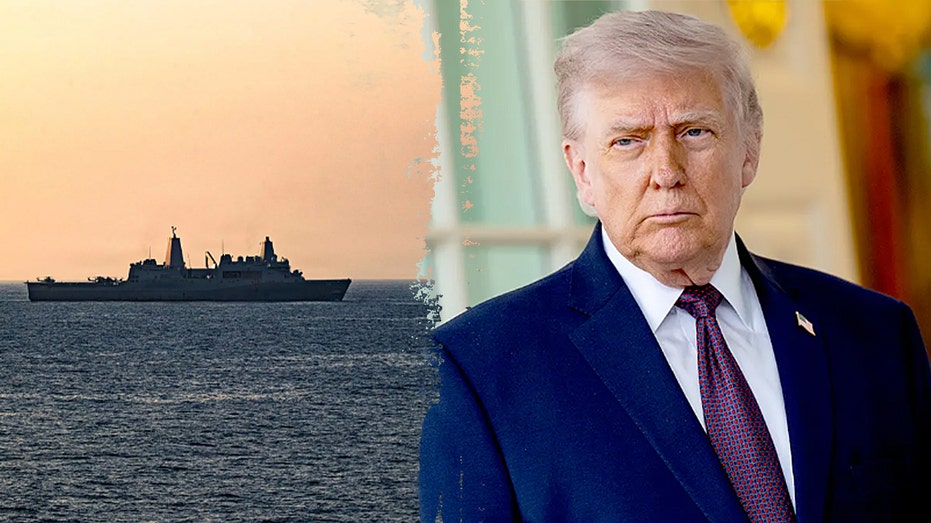
President Donald Trump said a memorandum intended to pause the war had been a waste of time. He also said further action would be considered after January 1. The administration was weighing another joint U.S.-Israeli strike, while Iran-linked hackers were reported to be targeting U.S. energy, water and transportation systems.
Iran Escalation Risks Turning Economic Pressure Into Wider War
The danger on November 19 was not only that Iran might challenge the U.S. naval blockade, but that mounting economic pressure and military threats could pull the region into another round of war. Accounts said Iran was preparing oil tankers to sail out of the Gulf and had warned that stopping them could bring attacks on oil facilities across the region. Tehran had not publicly confirmed the alleged plan.
Reports also described intensified attacks on commercial ships in the Strait of Hormuz and drone and missile strikes on Kuwait and Bahrain. Oil flows through the strait were said to have dropped sharply. Hamidreza Azizi of the International Crisis Group warned that economic strain could push Iran toward greater military risks, while President Donald Trump called the pause agreement a waste of time and left open action after January 1.
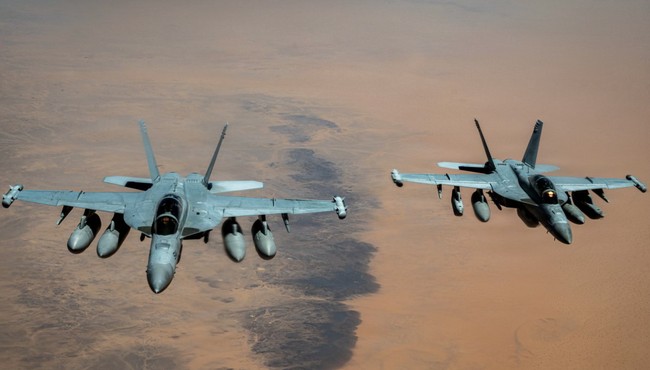
The administration was weighing a joint strike with Israel, according to accounts, even as the shipping and energy threats showed how quickly the confrontation could spread. The U.S. strategy of pressure risks worsening disruption to oil shipments and drawing Gulf states deeper into fighting. A further attack would raise the stakes rather than resolve the contest over negotiations.
Iran’s Gulf Attacks Threaten Shipping and Test the U.S. Blockade
Iran’s reported attacks on commercial shipping and strikes on Kuwait and Bahrain show the danger of allowing Tehran to use violence to break the U.S. naval blockade. On November 19, accounts said Iran was loading tankers for a possible attempt to leave the Gulf, with threats against oil facilities if the vessels were intercepted. Iranian officials had not publicly confirmed the plan.
The regime’s negotiator Mohammad Bagher Ghalibaf said Iran would not remain in a state between war and peace. Analyst Hamidreza Azizi said rising economic pressure could encourage Tehran to take greater military risks. That is precisely why the United States must not mistake a pause for a settled peace: the reported attacks suggest Iran retains both weapons and willingness to threaten America’s regional partners.
President Donald Trump said the memorandum meant to pause the war was a waste of time, and his administration was considering another joint strike with Israel. The danger now is that Iran’s escalation could force a response while domestic political constraints limit the president’s options. The blockade and pressure are intended to bring Tehran to negotiations; yielding to threats could leave the regime with a stronger incentive to use them again.
Reported by PJ Media, Townhall.