US Probes Suspected Cyberattacks on Energy Tankers
The suspected attacks have affected commercial ships carrying oil, liquefied gas, chemicals and other potentially hazardous cargo. US officials have also examined the possibility of Russian involvement, but an administration official said investigators had not established that Iran was responsible.
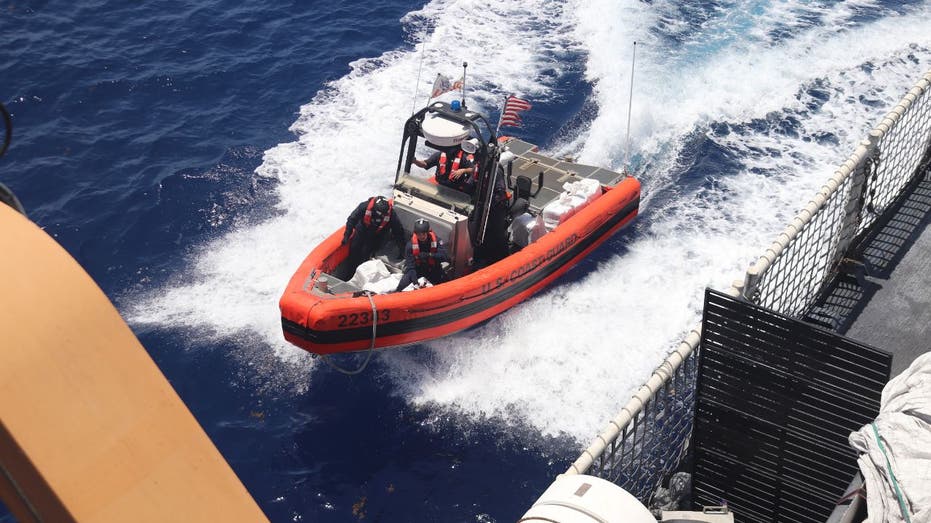
Coast Guard cybersecurity specialists have been sent to at least four vessels approaching US waters in recent weeks. The ships were assessed before continuing to American ports. Other affected tankers have been operating near Europe and Asia.
In one incident, two officers aboard a tanker carrying natural gas from Louisiana toward Mediterranean ports received threatening cellphone messages in October. Other ships received messages in Farsi warning them against carrying American products.
The VL Prosperity and the Kohaku, both bound for Texas, were targeted in September and received bomb threats. Coast Guard specialists boarded the vessels to address cybersecurity concerns. A ransom letter addressed to the VL Prosperity’s captain later appeared on a Russian-language Telegram channel used by people in the shipping industry. It called the operation a “planned execution” and accused the ship of illegally carrying Saudi oil to the United States.
The investigation is focused on a campaign that could put shipping routes and energy supplies at risk, as well as threaten vessels carrying hazardous cargo.
Suspected Tanker Attacks Put Energy Security at Risk
A suspected campaign against commercial tankers is a serious warning: cyberattacks can put crews, energy supplies and international shipping routes at risk. US authorities are investigating whether Iran was behind attacks on as many as 50 vessels, while also examining possible Russian involvement. An administration official said Iranian responsibility has not been established.
Some ships received bomb threats, and Coast Guard cybersecurity specialists have been sent to at least four vessels approaching US waters. Other targeted tankers were operating near Europe and Asia. The VL Prosperity and Kohaku, bound for Texas, received bomb threats after being targeted in September.
Crews also received threatening messages, including warnings against carrying American products. A tanker officer and colleague were sent threats while their ship carried natural gas from Louisiana toward Mediterranean ports in October.
The attacks demand serious attention because the ships carry oil, gas and hazardous chemicals. But suspicion is not proof: investigators have yet to establish who is responsible. Protecting crews and shipping should remain central as the investigation proceeds, rather than turning an unresolved case into certainty.
Tanker Cyber Threats Demand Vigilance, Not Premature Blame
Threats against commercial tankers carrying oil, gas and hazardous cargo deserve a forceful response. US authorities are investigating attacks affecting as many as 50 vessels, and Coast Guard cybersecurity specialists have intervened on at least four ships approaching American waters. The priority is protecting crews and keeping vessels secure.
Iran has emerged as a leading suspect, but the investigation has not established its role. Officials in Washington are likewise assessing possible Russian responsibility. That distinction matters: officials should follow the evidence instead of presenting an allegation as a conclusion.
The VL Prosperity and Kohaku received bomb threats while heading for Texas after being targeted in September. Other vessels have received menacing messages, including warnings not to take American products aboard. The suspected attacks span shipping waters near the United States, Europe and Asia.
The scale and potential consequences make this a serious security concern. A compromised tanker could carry hazardous cargo through busy routes, while threats can unsettle crews and shipping operations. The investigation should identify those responsible and address the vulnerabilities without making claims the evidence has not yet proved.
Reported by Daily Mail US, The Daily Wire, The Washington Examiner, TechCrunch.