New York City Sets End Date for Horse-Drawn Carriages
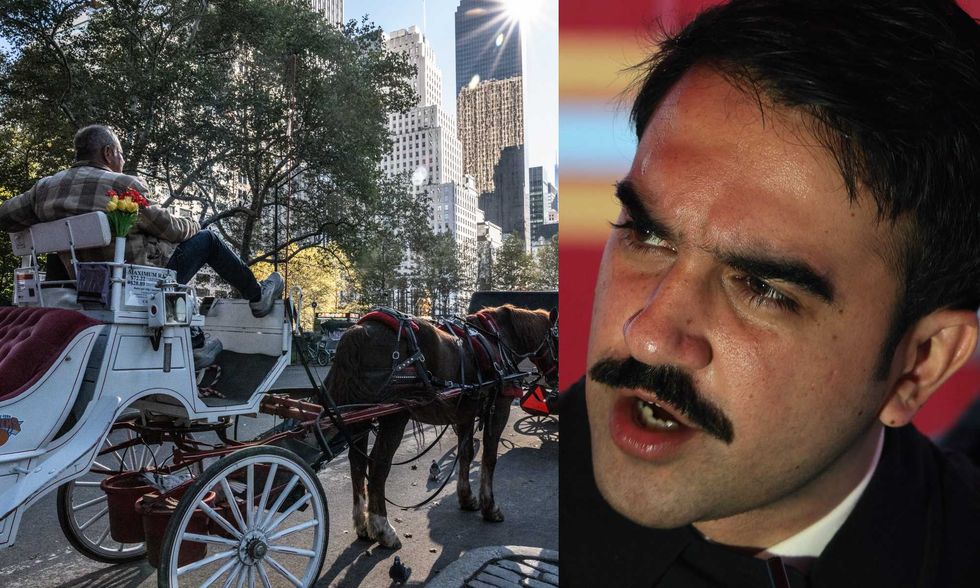
New York City’s horse-drawn carriage industry will be phased out by June 1, 2028, under legislation signed by Mayor Zohran Mamdani on November 19. The City Council approved the measure 40-7 in October. It ends a Central Park tradition that began in 1863 and is named for Romanch Mahajan, an 18-year-old tourist who died in June when the horse drawing his carriage bolted.
The law bars new carriage licenses and requires a plan for transitioning workers and horses. Mamdani said the plan, due by April 2027, would include medallion buybacks, training stipends for drivers and stable hands, career counseling and entrepreneurship support.
Transport Workers Union Local 100 filed a federal lawsuit in Manhattan soon after it was signed. The union argues that the law threatens workers’ livelihoods and takes away owners’ city medallions without guaranteeing compensation. Some drivers have also objected to leaving work they have done for years.
The law requires horses to be treated humanely and prohibits their transfer for slaughter or another carriage business. But horse-industry groups have raised questions about finding retirement homes and paying for ongoing care. They say sanctuaries may be able to take some horses, while the costs and logistics of caring for and transporting them remain concerns. PETA has pledged $50,000 toward care; its representative said there were enough homes and funding.
The mayor’s transition plan is due by April 2027, ahead of the industry’s final operating date. The union’s legal challenge contests the law’s constitutionality.
Ending Carriage Rides Puts Horse Safety First
New York City is moving to end a carriage industry that puts horses and people at risk. Mayor Zohran Mamdani signed legislation on November 19 to phase out horse-drawn rides by June 1, 2028, after 18-year-old Romanch Mahajan was killed when a carriage horse ran away in Central Park.
The measure, approved 40-7 by the City Council, bars new licenses and requires a plan to transition workers and horses. Mamdani has promised a package with medallion buybacks, job training stipends, career counseling and entrepreneurship support. That is a recognition that workers deserve help even as the city moves away from the industry.
The Transport Workers Union has sued, arguing that the law threatens workers and owners’ investments. But keeping the industry in place is not the only way to respect the people who depend on it. The transition plan must help them move on while addressing the risks that prompted the law.
The fate of the horses also requires attention. The law bars their transfer for slaughter or another carriage business, and equine groups are considering sanctuaries, retirement homes and other compliant arrangements. The costs are substantial concerns, while PETA has offered $50,000 and says homes and care funding are available.
The city’s plan is due by April 2027. It should make the promised transition support meaningful and ensure the move away from carriage rides protects both workers and horses.
Carriage Ban Threatens Jobs Without Securing Horses’ Care
New York City is ending a historic industry, but its promises of a transition have yet to answer the central question: who will pay? Mayor Zohran Mamdani signed a law on November 19 phasing out horse-drawn carriages by June 1, 2028, putting workers and owners on a deadline to abandon their livelihoods.
The law follows the death of 18-year-old Romanch Mahajan in a carriage incident. That tragedy does not erase the consequences for the industry’s workers or guarantee that the horses will be better off. The Transport Workers Union has filed a federal lawsuit, arguing that owners lose city medallions without guaranteed compensation.
Mamdani has pledged buybacks, training stipends and career support, but those commitments are part of a future transition plan, due by April 2027. Drivers have described the loss of work they have relied on for years, and the union says the law threatens members’ livelihoods.
The horses’ future is another unresolved burden. The law prohibits transfers for slaughter or another carriage business, yet equine groups say retirement placements involve real costs and logistical challenges. PETA has pledged $50,000, while a representative says there are enough homes and funding. The available reporting also describes the city’s plan as lacking a specific funding commitment for horse care.
A humane policy must account for the people and animals left behind. The city should not treat a promised transition as an answer to questions about compensation and lifelong care.
Reported by The Blaze, The Daily Caller.





