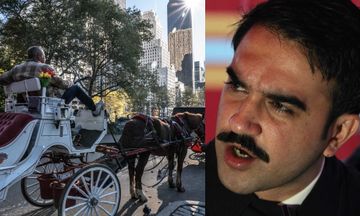
Carriage Owners Sue New York Over Central Park Ban
A union representing about 200 New York City horse-carriage drivers and owners filed a federal lawsuit on November 19, challenging the new law that will end carriage rides in Central Park by mid-2028. The suit names the city, Mayor Zohran Mamdani, the City Council and several agency leaders as defendants. It argues the law takes away owners’ city-issued medallions without guaranteeing payment.
The City Council passed the measure last month, and Mamdani signed it on November 19. The law requires the city to consider compensation, but does not require it to pay. The mayor has said he aims to arrange medallion buybacks and job-development programs for drivers and stable workers. He promised a fuller plan by April and ordered a study of possible electric-carriage or pedal-assist bicycle alternatives.
Union president John Samuelsen said protections for workers should have been included in the legislation. Council Speaker Julie Menin said she expects the law to withstand legal scrutiny and said the city can support workers’ economic prospects.
The law is named for 18-year-old tourist Romanch Mahajan, who died in June after a horse bolted during a family carriage ride. Animal-welfare advocates have criticized the industry, while carriage supporters say it is regulated and horses receive care and rest. The Central Park Conservancy has also objected to the carriages, citing congestion and damage to park roads.
The union’s lawsuit argues the ban will not ensure better care for horses after they leave the industry. The city’s plan is due by April, while the legal challenge seeks to overturn the ban.
New York’s Carriage Ban Puts Safety and Animal Welfare First
New York City is moving to end an industry that has faced years of criticism over animal welfare and park safety. Mayor Zohran Mamdani signed a law on November 19 that will phase out Central Park’s horse carriages by mid-2028. The measure is named for Romanch Mahajan, an 18-year-old tourist who died in June after a horse bolted during a family ride.
Carriage owners and drivers immediately sued the city, arguing that the law takes their medallions without guaranteed compensation. But the lawsuit does not change the fact that the industry has become a source of concern for animal-welfare advocates and park managers. The Central Park Conservancy has objected to congestion and damage to park roads, while critics have long challenged the treatment of working horses.
The law requires the city to consider compensation, though it does not promise payment. Mamdani has set a goal of arranging medallion buybacks and job-development programs, and promised a fuller plan by April. He also ordered a study of possible electric carriages or pedal-assist bicycles.
Union president John Samuelsen says worker protections should have been written into the law. Council Speaker Julie Menin says she expects it to survive the court challenge and believes the city can support workers’ economic futures. The lawsuit argues the ban will not guarantee better care for horses once they leave the industry. The city now faces the task of carrying out the phaseout while addressing the workers’ transition.
City’s Carriage Ban Leaves Owners Facing Losses Without Guaranteed Pay
New York City has put carriage owners’ livelihoods and costly medallions at risk without guaranteeing that they will be paid. On November 19, owners and drivers sued after Mayor Zohran Mamdani signed a law ending Central Park’s horse-carriage industry by mid-2028. The union says the city is stripping away property interests without assured compensation.
The law requires officials to consider paying owners, but does not make payment mandatory. Mamdani has announced a goal of arranging medallion buybacks and job programs for drivers and stable workers, with a more complete plan promised by April. Those intentions do not provide the certainty workers say the legislation should have included.
Union president John Samuelsen said the protections described by the mayor belonged in the law itself. The lawsuit argues the city’s approach could cripple owners before any compensation is settled. One owner, Medet Fidan, spent $310,000 on a carriage medallion in 2021 after previously losing money when taxi-medallion values fell.
The ban followed the June death of 18-year-old tourist Romanch Mahajan, whose family was riding in a carriage when a horse bolted. The law bears his name. Advocates have raised animal-welfare concerns, and the Central Park Conservancy has cited congestion and road damage. But the union disputes that the ban will improve horse care, arguing it does not guarantee veterinary attention, rest or protection from extreme weather after the animals leave the industry. The federal lawsuit seeks to undo the law.
Reported by New York Post, The Boston Globe, CBS New York.