Illinois Hemp THC Sellers Lose Bid to Delay Dispensary-Only Rule

Illinois hemp businesses have lost their request to delay a state restriction that channels intoxicating hemp-derived THC products through licensed cannabis dispensaries. The ruling leaves the restrictions in force while the businesses’ lawsuit proceeds, putting retailers outside the licensed system at risk of state enforcement if they keep selling covered products. The dispute is not over: the next court date is scheduled for December 15, and the Illinois Healthy Alternatives Association says it is considering an appeal.
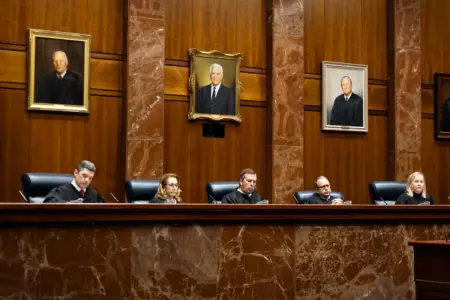
U.S. District Judge Martha Pacold denied the association’s request on November 19, according to reports of the ruling and the court decision’s immediate effect. The association and several businesses had sought an emergency order to stop enforcement while their challenge moved forward. One report describes the denied request as a temporary restraining order, denied without prejudice; another says the businesses sought both a temporary restraining order and a preliminary injunction. The reports agree on the practical result: the judge did not grant a pause, and the lawsuit remains alive.
The restriction was due to take effect November 12. It follows a law signed by Gov. JB Pritzker that reclassifies hemp-derived products above a specified THC threshold as cannabis, limiting their sale to licensed dispensaries. The reports phrase that threshold differently: one says products with more than 0.4 milligrams of THC, while another describes products containing 0.4 milligrams per container. The central change is clear even where the descriptions are not identical: retailers such as gas stations, convenience stores, breweries and hemp cafés can no longer sell the covered intoxicating products outside the dispensary system.
There had been a temporary wrinkle. One account says the businesses that sued were shielded from enforcement by an agreement with the state while Pacold considered their request. After the judge declined to block the rule, the reports say the businesses must comply with the statewide restrictions. Those who continue selling face possible fines and other state enforcement. The ruling therefore changes the sellers’ immediate position, but it does not decide the underlying legal challenge or settle every question about how the law applies.
The state’s stated concern, as described in earlier reporting, is consumer safety, including children’s potential access to these products in ordinary retail settings. The industry association disputes the restrictions’ consequences, arguing that they will damage businesses and reduce consumers’ access to hemp-derived items such as THC drinks. That fight has unfolded as lawmakers and regulators debate where hemp products belong in a market increasingly shaped by cannabis rules; related coverage has tracked the wider hemp-derived THC policy dispute and the fallout for small businesses.
The consequences are not abstract for the businesses named in the reports. Chicago operators have warned that losing these sales could force closures. An owner of South Loop café ChiTiva said the restrictions would disrupt a business selling hemp-infused drinks and edibles to customers aged 21 and older. A separate report quoted South Loop Market owner Anas Masoud hoping for more time, saying even a short extension would help businesses already struggling. Breweries that had begun selling THC drinks to bolster sales were reportedly selling off their remaining products, while licensed dispensaries prepared for an influx of customers.
The association says it represents about 250 Illinois businesses across hemp farming, manufacturing, processing, infusion, distribution and retail, and reports say its members employ more than 5,000 people. Those figures describe the group’s claimed reach, not a court finding about the economic effects of the law. Its president, Craig Katz, said the association disagrees with Pacold’s decision and intends to continue pursuing its challenge. The group is exploring appellate review, but has not said whether or when it will file an appeal. Meanwhile, THC drinks and the changing retail rules remain part of a broader contest over which businesses may sell hemp-derived products and under what oversight.
For my part, the unresolved detail about the threshold deserves careful attention, because it affects what sellers and customers can understand about the rule. The December hearing will matter not just for the plaintiffs’ immediate prospects, but for how clearly the dispute is framed going forward. Until then, the dispensary-only restriction stands, and the businesses challenging it must decide whether to comply, appeal, or risk enforcement.
Reported by FOX 32 Chicago, Chicago Sun-Times, Block Club Chicago.