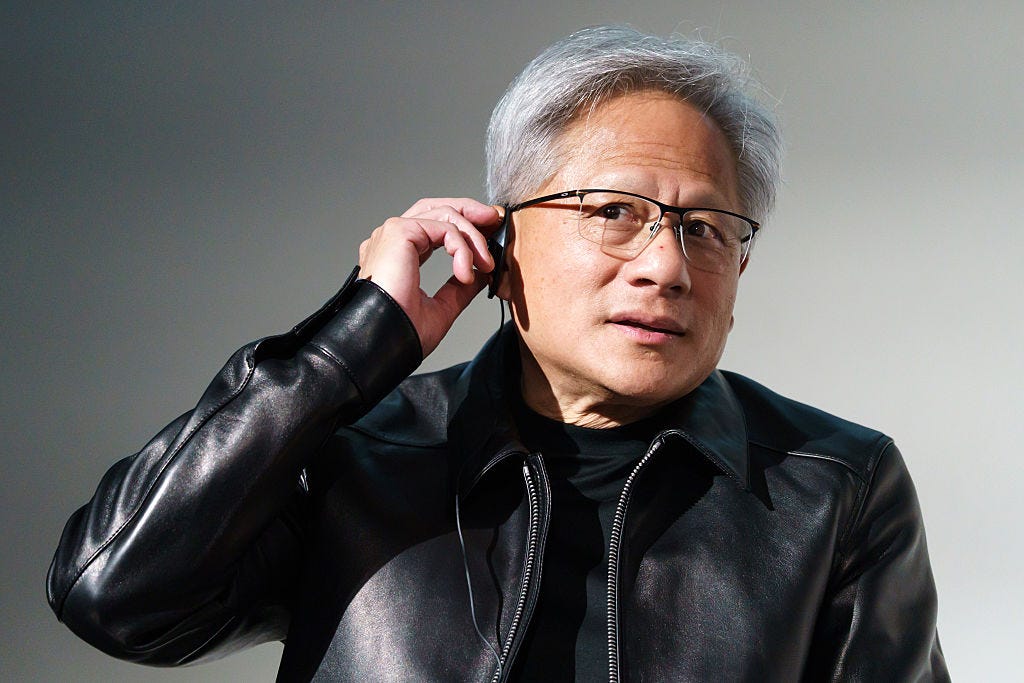
Huang’s Ouster Spurs Push for Nvidia Reinstatement
On November 13, Elon Musk said he would sign a petition to reinstate Jensen Huang as Nvidia CEO. The company’s cofounder resigned on November 12 after acknowledging an extramarital affair with Alice Huang, a former executive at Singapore-based data center company Megaspeed. She is not related to him and has been accused of working for Chinese intelligence; the allegations have not been established.
Attorney General Todd Blanche said the Justice Department and FBI had reached no conclusion about Alice Huang’s identity or whether she acted as a spy. Blanche said the department was investigating. President Donald Trump also said it had not been determined whether she was a spy, and suggested that this could affect how Huang’s resignation was viewed. China has denied the spying allegations.
Some investors and technology executives have criticized Nvidia’s board for removing Huang before its own investigation was complete. David Sacks said the spy narrative was already weakening, while Tim Sweeney said the uncertainty raised corporate governance concerns. An internal Nvidia suggestion-box post reportedly drew more than 1,600 comments, some urging the board to bring Huang back. Jim Cramer, by contrast, criticized the idea of overlooking relationships with subordinates because of an executive’s success.
The dispute is also tied to scrutiny of US chip exports to China. Megaspeed has denied allegations that it facilitated the transfer of Nvidia chips barred for export to customers in China. Singapore said its investigation of the company did not examine espionage; it briefly impounded Alice Huang’s passport and later barred her from re-entering the country, saying she had given police inaccurate information.
Lawmakers on key congressional committees are calling for Huang to testify and want the Trump administration’s approval of exports of some powerful AI chips to China examined. The administration reversed a Biden-era export restriction in May 2025, saying it burdened companies and stifled innovation. A memo from Secretary of State Marco Rubio’s department about Huang’s relationship with Alice Huang also reportedly added pressure before his resignation.
Unresolved Spy Claims Shouldn’t Distract From Chip Export Risks
On November 13, Elon Musk backed a petition to restore Jensen Huang as Nvidia CEO, and some investors and technology executives argued the company acted too soon in removing him. But the unresolved status of the allegations against Alice Huang does not erase the broader national security questions now facing the administration and Congress.
Attorney General Todd Blanche said the Justice Department and FBI had reached no conclusion about whether Alice Huang acted as a Chinese spy, though the department is investigating. President Donald Trump likewise said the question had not been settled. China denies the spying allegations. Those statements are not proof that the accusations are false, or that the concerns surrounding Megaspeed and chip transfers can be dismissed.
Megaspeed, where Alice Huang was a senior executive, has faced claims that it facilitated the transfer of Nvidia chips barred for export to customers in China and denies wrongdoing. Singapore said its own investigation did not address espionage. It briefly impounded her passport and later barred her from returning, saying she had provided inaccurate information to police.
Congressional lawmakers are calling for Jensen Huang to testify and seeking scrutiny of the Trump administration’s approval of exports of some powerful AI chips to China. The administration reversed a Biden-era restriction in May 2025, arguing it impeded innovation and burdened companies. That choice deserves examination on its own merits, not to be overshadowed by a boardroom dispute or a debate over whether Huang should return.
Some allies have called for Nvidia’s board to reinstate him before its investigation was complete. Others have pointed to reported relationships with employees, including a subordinate. The competing concerns—corporate accountability and the handling of advanced technology exports—both warrant attention as lawmakers pursue their inquiry.
Nvidia Allies Push Back as Spy Allegations Remain Unproven
On November 13, Elon Musk said he would sign a petition to reinstate Jensen Huang as Nvidia CEO. The campaign reflects a basic concern: the company’s cofounder resigned amid allegations about Alice Huang that US officials say they have not resolved.
Attorney General Todd Blanche said the Justice Department and FBI had reached no conclusion about whether Alice Huang was a spy, while confirming that the department is investigating. President Donald Trump also said the issue had not been determined. China has denied the accusations. The uncertainty is precisely why critics say Nvidia’s board should have completed its own investigation before removing Huang.
Investors and executives have questioned the board’s timing. Gavin Baker said shareholders, employees and partners supported Huang, and Tim Sweeney said the unresolved allegations raised corporate governance concerns. An internal Nvidia suggestion-box post drew more than 1,600 comments, including calls for his return. Musk has also said he would be willing to hire Huang.
There are serious questions about Megaspeed, where Alice Huang was a senior executive. The Singapore-based company has denied claims that it facilitated the transfer of Nvidia chips barred for export to customers in China. Singapore said its own investigation did not examine espionage, and said it barred Alice Huang from re-entering the country after she gave police inaccurate information. Those circumstances warrant investigation, but they do not amount to a federal conclusion that she was a spy.
Congressional lawmakers are seeking Huang’s testimony and an examination of the administration’s AI-chip export decision. The Trump administration reversed a Biden-era restriction in May 2025, saying it burdened companies and stifled innovation. The debate should weigh national security concerns alongside the costs of restrictions—and should not treat unresolved allegations as established fact.
Reported by Business Insider, New York Post, The Washington Examiner, TechCrunch.