US Airlines Face Days of Disruption After Nationwide Ground Stop
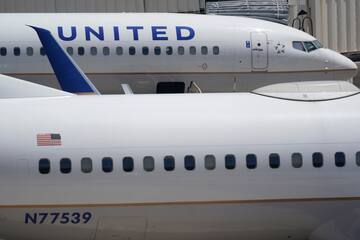
The Federal Aviation Administration lifted the ground stop at about 8:15 p.m. ET on November 13. Some domestic flights resumed afterward, but cancellations and delays continued the next day as airlines worked through a backlog. More than 15,000 U.S. flights were delayed or canceled on November 13, and airports struggled to find gates and parking space for aircraft unable to take off.
Trump administration officials attributed the shutdown to aging air traffic control equipment overwhelmed after new technology was added to existing systems. Transportation Secretary Sean Duffy said the failure caused intermittent gaps in communications and radar. He said the problem was not caused by the FAA’s new AI-powered system, which was not connected to the equipment that failed.
Duffy said Congress had not approved enough funding for the modernization effort and urged lawmakers to provide more. The administration has sought an additional $30 billion to complete upgrades, following $12.5 billion approved by Congress. Officials warned that further disruptions could occur, while Duffy said the system should return to normal before Thanksgiving travel.
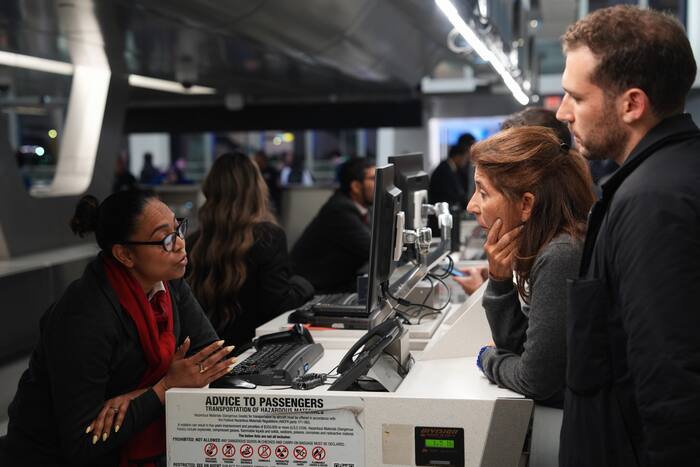
The shutdown stranded travelers and disrupted sports teams’ plans. Auburn University’s football team traveled by bus to Mississippi State, and its game was moved from noon to 4:15 p.m. ET. Some passengers waited hours on planes or abandoned their trips to find other transportation. Homeland Security Secretary Markwayne Mullin said more than 3,000 flights landed safely on November 13 and no one was in danger.
A Nationwide Flight Shutdown Exposes the Cost of Aging Infrastructure
The nationwide flight shutdown and its continuing fallout put the consequences of outdated air traffic control technology in plain view. More than 15,000 U.S. flights were delayed or canceled on November 13, and more than 2,500 more were canceled the next day as airlines tried to clear the backlog.
The FAA lifted the ground stop at about 8:15 p.m. ET on November 13, after more than four hours. Administration officials said aging equipment was overwhelmed after new technology was added to existing systems, creating intermittent communication and radar gaps. Transportation Secretary Sean Duffy said the failed equipment was separate from the FAA’s new AI-powered system.
The administration is seeking $30 billion more for the modernization effort, after Congress approved $12.5 billion. Duffy blamed Congress for not providing enough funding, while also acknowledging that officials had not expected an outage of this scale. He warned that more disruptions could occur.
Passengers were left waiting at airports and on aircraft, while sports teams scrambled to change plans. Auburn University’s football team took a bus to Mississippi State, and its game was pushed back more than four hours. The disruption underscores the stakes of maintaining reliable public infrastructure, with officials saying the system should be back to normal before Thanksgiving.
Air Traffic Control Upgrades Leave Airlines Scrambling After System Failure
A sweeping attempt to update the nation’s air traffic control system was followed by a nationwide shutdown that left travelers stranded and airlines struggling to recover. More than 2,500 flights were canceled on November 14, after more than 15,000 U.S. flights were delayed or canceled the day before.
The FAA’s ground stop lasted more than four hours and was lifted at about 8:15 p.m. ET on November 13. Administration officials said new technology added to an existing system overloaded aging equipment, producing intermittent gaps in radar and communications. Transportation Secretary Sean Duffy said the outage involved legacy equipment, not the FAA’s new AI-powered system.
Officials acknowledged the system could face more disruptions while upgrades continue. The administration is seeking another $30 billion for the work, on top of $12.5 billion approved by Congress. Duffy said Congress had not provided enough funding, but the failure also raises questions about the strain of adding new technology to old systems.
The consequences were immediate for passengers and sports teams. Some travelers waited for hours aboard planes, and Auburn University’s football team took a bus to its game at Mississippi State, which was delayed. Officials said the system should be operating normally before Thanksgiving, but airlines still faced a major backlog on November 14.
Reported by The Philadelphia Inquirer, CNN, FOX 32 Chicago, WSVN 7News, The Baltimore Banner, CBS Chicago, ABC13 Houston, The Washington Examiner, CBS News, The Daily Beast, New York Post, AZFamily.