FAA Ground Stop Sparks Emanuel-Buttigieg Blame Clash
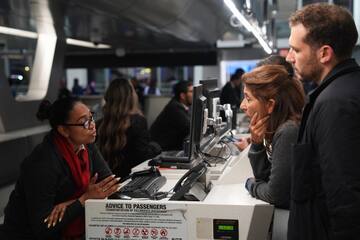
The Federal Aviation Administration halted flights nationwide on November 13, citing safety concerns and extraordinary circumstances. The stop grounded more than 3,500 flights before it was lifted later that day. Officials said a communications problem affecting air route control centers was under investigation; Transportation Secretary Sean Duffy later described radar instability as part of the issue.
Ari Emanuel, executive chairman of WME, criticized former Transportation Secretary Pete Buttigieg on X, saying Buttigieg had four years and infrastructure funding to modernize the FAA but left a failing system in place. Emanuel also wrote that responsibility was not limited to one person.
Duffy said modernization was necessary and pointed to his requests for money from Congress. He acknowledged that upgrades could introduce instability, but argued that leaving the system as it was carried greater risk. “I didn’t anticipate that we would have an outage like this,” he said.
Emanuel’s post drew more than 3,000 comments, many challenging his decision to blame a former administration while Duffy is in office. Buttigieg, who was stranded at Denver airport, reacted after watching Duffy and Markwayne Mullin’s press conference. He said he had questions, using an expletive-filled description of what he wanted written down.
Emanuel Blames Buttigieg as FAA System Fails on Duffy’s Watch
More than 3,500 flights were grounded in a nationwide FAA stop on November 13, a stark reminder that the air traffic system remains vulnerable. The stop was lifted later that day, after officials cited a communications problem affecting air route control centers and Duffy described radar instability.
Emanuel used the disruption to accuse Pete Buttigieg of making no progress modernizing the FAA during his four years as transportation secretary, despite infrastructure funding. But his own post acknowledged that no one’s hands were clean, and the immediate crisis unfolded under the current administration—not the former one. Thousands of commenters challenged his effort to shift responsibility backward.
Duffy said he had pressed Congress for modernization money and argued that doing nothing creates more risk. He also conceded he had not expected an outage. That admission underscores the stakes of managing upgrades safely while keeping a critical public system reliable.
Buttigieg, stranded at Denver airport, said he had questions after watching Duffy and Markwayne Mullin address the situation. The disruption leaves the central issue unresolved in public view: who is responsible for a system that officials say needs urgent modernization, and how will they ensure changes do not trigger further instability?
FAA Ground Stop Shows Why Congress Must Fund Modernization
The FAA’s nationwide ground stop on November 13 grounded more than 3,500 flights before being lifted later that day. Officials cited a communications problem affecting air route control centers, and Transportation Secretary Sean Duffy described radar instability. The episode highlights the consequences of relying on aging infrastructure when the system needs modernization.
Ari Emanuel accused former Transportation Secretary Pete Buttigieg of failing to make progress during four years in office, despite infrastructure funding. Emanuel’s point is difficult to dismiss: responsibility for preparing a federal system does not vanish when an administration leaves. More than 3,000 commenters objected to his focus on Buttigieg, but the dispute does not change the need to address the system’s shortcomings.
Duffy said he has sought modernization funds from Congress, arguing that doing nothing carries greater risk than upgrading. He acknowledged the upgrades may have contributed to instability and said he did not expect an outage. That makes the case for resources and careful implementation more urgent, not less.
Buttigieg, stranded in Denver, said he had questions after watching Duffy and Markwayne Mullin’s press conference. The ground stop shows the costs of delay: thousands of disrupted flights and renewed questions about whether lawmakers will provide the funding needed to modernize air traffic control.
Reported by Variety, Deadline.