U.S. Measles Deaths Reach 10 as Pennsylvania Reports Seventh
Pennsylvania health officials confirmed the state’s seventh measles-associated death on November 13. The person, an unvaccinated Montour County resident, had tested positive for measles. Officials provided no further details, citing privacy laws. Wisconsin also reported a death, saying the person was a child and withholding additional information to protect the family’s privacy.
The new deaths bring this year’s U.S. total to 10: seven in Pennsylvania, two in Wisconsin and one in New York. Before this year, none of those states had recorded a measles death in more than three decades. The virus can cause severe complications, including pneumonia and brain swelling, particularly in unvaccinated people.
About 5,400 measles cases have been recorded nationally this year, more than twice last year’s total and the highest number since 1991. Public health experts point to falling vaccination rates alongside the virus’s global resurgence. An NBC News investigation found that 75% of counties and jurisdictions with vaccine data are below the 95% coverage considered necessary to prevent outbreaks. Kindergarten vaccination coverage fell from 95% in the 2019-20 school year to 92% in 2025-26.
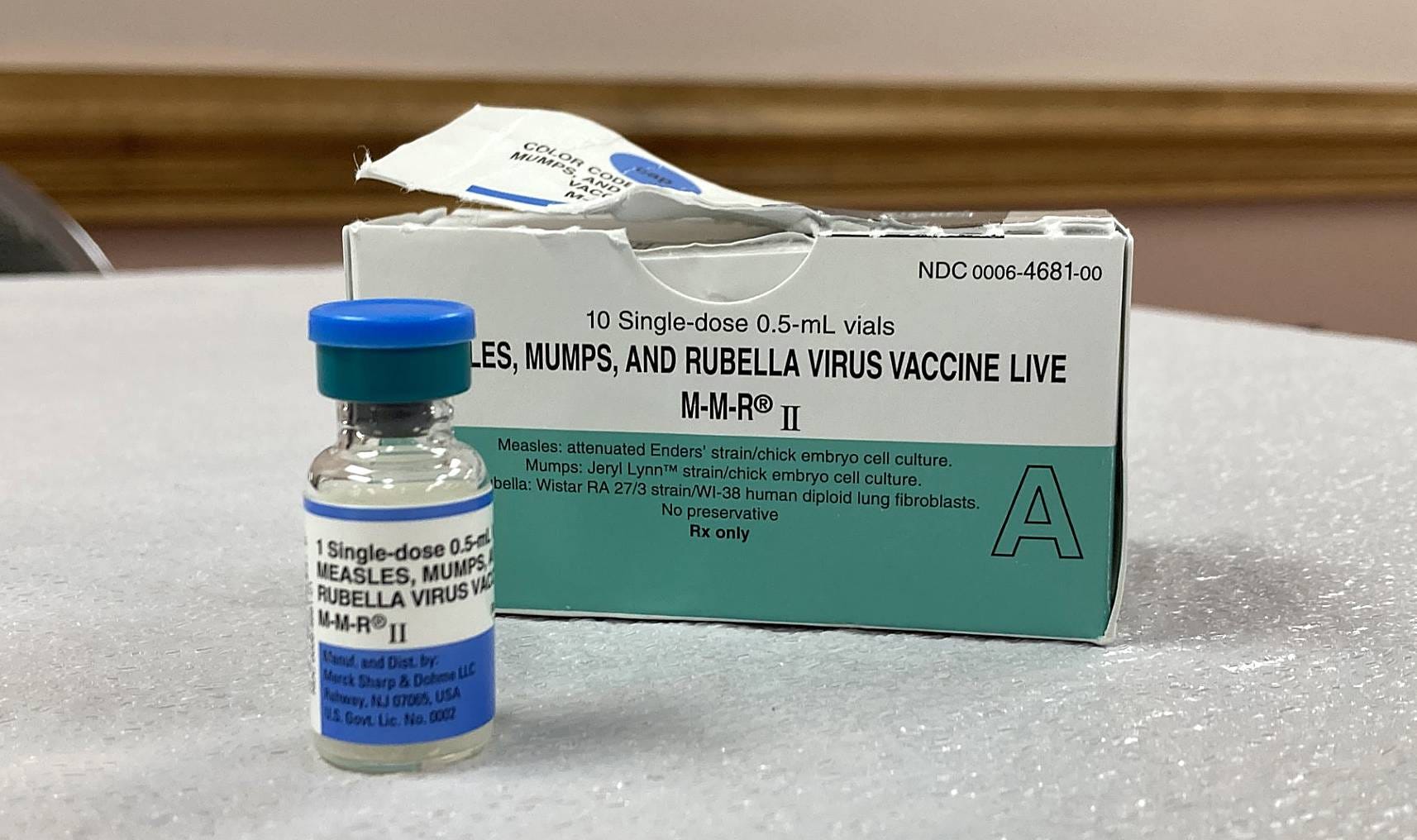
Pennsylvania and Wisconsin recommend an early vaccine dose for infants 6 to 11 months old in areas with high case counts. The usual first dose is given around age 1, followed by a second at ages 4 to 6; two doses are 97% effective.
A Pan American Health Organization review is weighing whether the U.S. still qualifies as measles-free, with a decision expected November 17. The designation depends in part on whether measles has spread continuously in the country for a full year.
Falling Vaccination Rates Fuel a Deadly Measles Surge
The latest measles deaths are a stark warning about the cost of declining vaccination rates. Pennsylvania confirmed its seventh death, involving a Montour County resident who had not received a vaccine and was confirmed to have measles. Wisconsin reported that a child had died. The national total is now 10.
The U.S. has recorded about 5,400 measles cases this year, roughly twice the prior year’s total and its largest number since 1991. Health specialists connect the outbreak with declining immunization and the virus’s worldwide resurgence. Two doses are 97% effective, yet kindergarten vaccination coverage dropped from 95% in the 2019-20 school year to 92% in 2025-26. Three-quarters of counties and jurisdictions with data are below the 95% level needed to prevent outbreaks.
Infants too young for routine vaccination are especially exposed: at least four of this year’s deaths were babies not yet old enough for their first shot. In areas with many cases, the two states advise giving infants an initial vaccine dose at 6 to 11 months of age.
The Pan American Health Organization is considering whether the U.S. can retain its measles-free designation. Its decision, expected November 17, will turn partly on whether transmission has continued for a full year. With cases surging and coverage slipping, the consequences of failing to protect communities are already measured in lives.
Ten Measles Deaths Put Focus on Vaccination Gaps
Ten people have died in the U.S. in measles-associated cases this year, including a child in Wisconsin and an unvaccinated Montour County resident in Pennsylvania. The figures underline the seriousness of the outbreak and the need to close the vaccination gaps that leave communities vulnerable.
Pennsylvania has reported seven deaths, Wisconsin two and New York one. The country has recorded about 5,400 cases, more than twice last year’s tally and the highest since 1991. Two doses of measles vaccine are 97% effective, but kindergarten coverage fell from 95% in 2019-20 to 92% in 2025-26. Three-quarters of counties and jurisdictions with available data are below the 95% rate considered necessary to prevent outbreaks.
The response also includes earlier protection for infants in high-case areas: Pennsylvania and Wisconsin recommend an early dose for babies ages 6 to 11 months. The standard schedule begins around a child’s first birthday, with a second dose at ages 4 to 6.
A Pan American Health Organization decision on whether the U.S. retains its measles-free status is expected November 17. The review focuses partly on whether the virus has spread continuously for a year. That designation matters, but the immediate challenge is clear: measles is spreading, and low vaccination coverage leaves people at risk.
Reported by The Philadelphia Inquirer, NBC News, CBS Chicago, 6abc Philadelphia.