Wisconsin Infant’s Death Raises Measles Toll to Eight
Wisconsin health officials said the infant’s death was connected to a measles outbreak. The state has recorded 431 cases this year, its highest count in more than 35 years; nine people have been hospitalized. Six measles deaths have been reported in Pennsylvania and one in New York, bringing the national toll to eight.
National case counts reported by the Centers for Disease Control and Prevention have approached 5,200 this year. At least 96% of U.S. cases have involved people who were unvaccinated or whose vaccination status was unknown. A pediatric infectious diseases physician said he was concerned that outbreaks showed no sign of slowing.
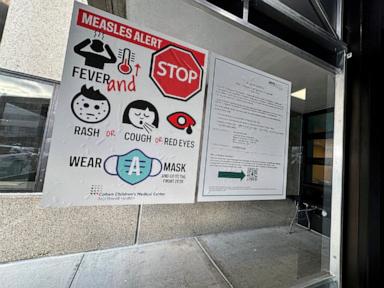
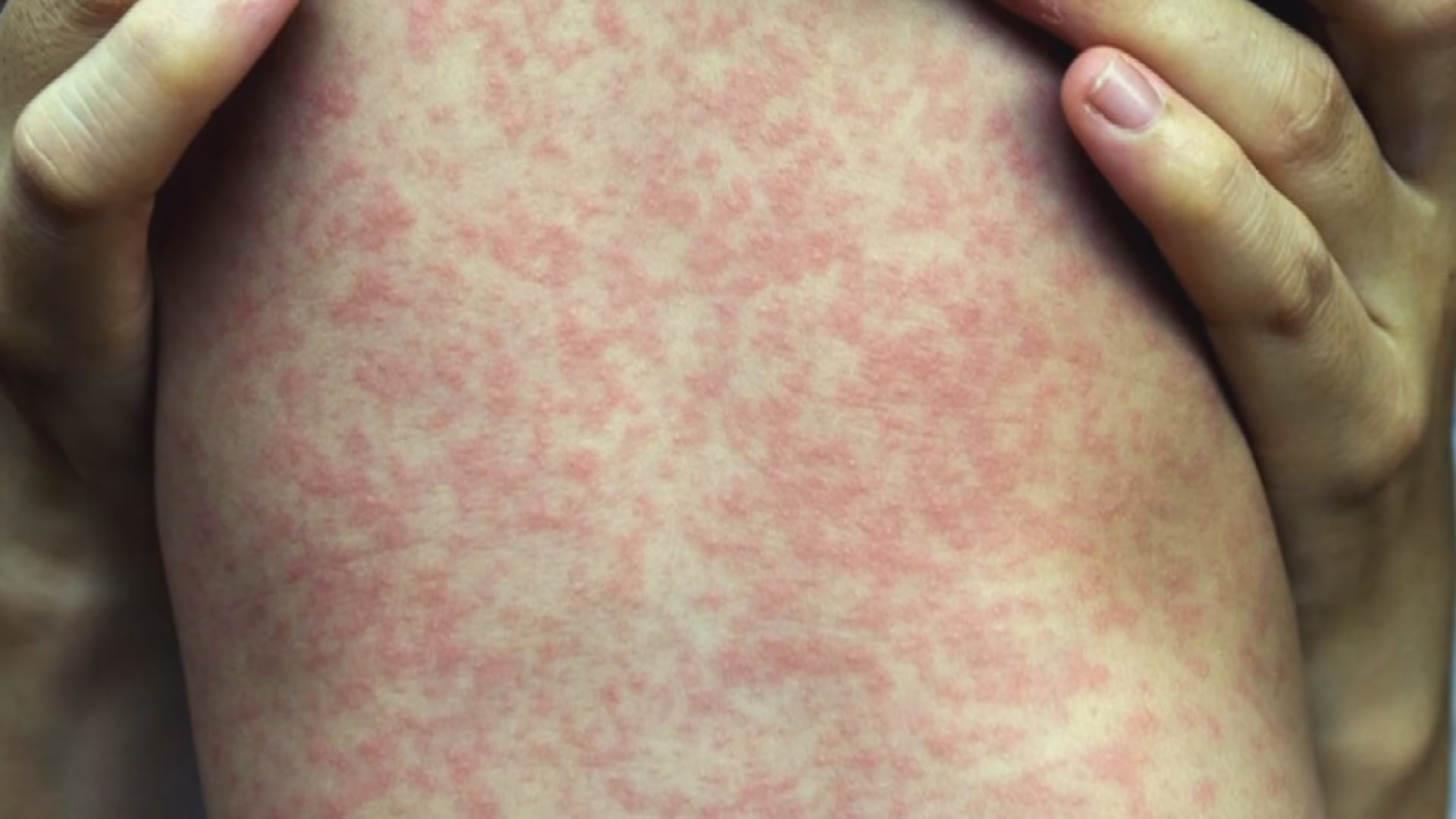
Measles spreads through the air and can remain in a room after an infected person leaves. Early symptoms can include fever, cough, runny nose and red, watery eyes. Small spots inside the mouth may appear before a rash, which usually starts near the hairline and spreads down the body. The illness can lead to complications including pneumonia, dehydration, brain inflammation and, in some cases, death.
The CDC recommends two doses of the measles, mumps and rubella vaccine: the first at 12 to 15 months and the second between ages 4 and 6. One dose is 93% effective against measles and two doses are 97% effective. Infants aged 6 to 11 months who live in or visit places experiencing substantial outbreaks may be eligible for an early dose. Some people, including those with compromised immune systems, may not be able to receive the vaccine; families are advised to discuss eligibility with a medical provider.
Measles Death Shows the Cost of Falling Vaccination
An infant has died of measles in Wisconsin, where the outbreak has produced 431 cases this year and nine hospitalizations. It is the state’s first measles death since 1990, and part of a national toll of eight. The human cost is stark: measles is vaccine-preventable, yet infections are spreading across the country.
At least 96% of U.S. cases this year have been among people who were unvaccinated or whose vaccination status was unknown. National cases have approached 5,200, and a pediatric infectious diseases physician warned that outbreaks showed no sign of slowing. The spread underscores the stakes when people opt out of vaccination: measles can move through the air, and serious complications include pneumonia, brain inflammation and death.
The CDC recommends two doses of the MMR vaccine, which is 97% effective against measles when both doses are received. The first dose is recommended at 12 to 15 months and the second between ages 4 and 6. Infants who live in or visit places experiencing substantial outbreaks may qualify for an early dose.
Some people cannot receive the vaccine, including those with compromised immune systems, and families should discuss eligibility with a medical provider. But that caveat does not change the central public-health stakes: vaccination is the strongest protection described by health officials as outbreaks continue.
Wisconsin Measles Death Calls for Careful, Individual Guidance
Wisconsin’s first measles-related death since 1990 was an infant, health officials said. The state has reported 431 cases this year and nine hospitalizations; nationally, the death toll is eight and cases have approached 5,200. The figures make the seriousness of the outbreak plain, especially for families with young children.
The CDC recommends two doses of the MMR vaccine for children, and says the two-dose schedule is 97% effective against measles. At the same time, vaccination guidance must account for individual medical circumstances: some people, including those with compromised immune systems, may not be able to receive the vaccine. The reports advise families to discuss eligibility and concerns with a medical provider.
Measles spreads through the air and can cause high fever, respiratory symptoms and a rash. Complications can include pneumonia, dehydration and brain inflammation, and the illness can be fatal. Babies between 6 and 11 months who live in or visit places experiencing substantial outbreaks may be given an early dose, according to the CDC.
The response should take both the outbreak’s risks and families’ medical circumstances seriously. Treating every person as equally eligible for vaccination would overlook the people who cannot receive it; medical guidance, rather than blanket assumptions, is important as cases continue.
Reported by ABC7 New York.