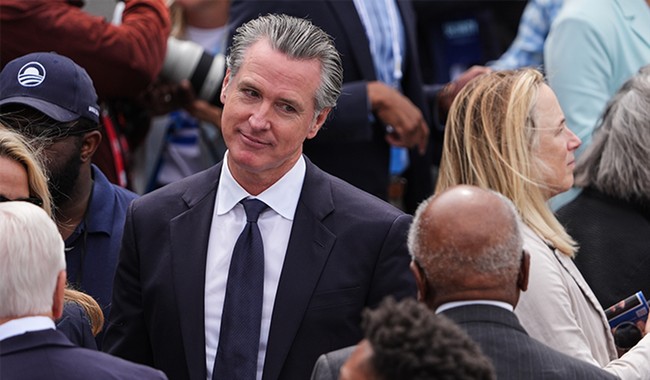
Newsom’s Death Row Plan Draws Anger From Victims’ Families
Victims’ relatives challenged Gov. Gavin Newsom’s move to commute the death sentences of 548 people on California’s death row, saying the decision disregarded families who had endured years of grief and court proceedings. The action, announced on November 5, would shift the inmates to life in prison without the possibility of parole, subject to required approvals in some cases.
Faye Jenkins said her daughter and son-in-law suffered torture and were killed in their Riverside County home in 2008. She said voters had supported capital punishment and Newsom should not decide the issue for them. California voters rejected a measure to abolish the death penalty in 2016.
Steve Herr, whose son Sam and the son’s friend Juri Kibuishi were killed in Orange County in 2010, recalled attending 203 court dates before Daniel Wozniak was convicted and sentenced to death. Herr said he had thought the sentence marked the end of the ordeal.
Newsom would need the California Supreme Court’s consent to move 382 of the 548 inmates off death row. Orange County District Attorney Todd Spitzer argued that legal procedures could allow people serving life without parole to leave prison. Stan Goldman, a law professor at Loyola Marymount University, said he knew of no example offhand and described mass releases as unlikely in practice.
Newsom’s representatives did not immediately respond to a request for comment on November 12. The dispute centers on the consequences of the commutations and the authority to make them, as families and officials weigh the proposed sentences against the state’s capital-punishment policy.
Newsom’s Move Challenges California’s Death Penalty System
Gov. Gavin Newsom’s plan to move 548 people off California’s death row is a consequential challenge to capital punishment, replacing death sentences with life without the possibility of parole. The move, announced on November 5, has drawn anger from victims’ families, but their opposition does not resolve the legal and public debate over the state’s use of executions.
Faye Jenkins said her daughter and son-in-law suffered torture and were killed in 2008. She said voters backed capital punishment and objected to Newsom making the decision for families. California voters rejected a death-penalty abolition measure in 2016. Steve Herr, whose son and the son’s friend were killed in 2010, described attending 203 court dates before the killer was sentenced to death.
The plan also faces a procedural hurdle: Newsom needs the California Supreme Court’s consent to move 382 of the 548 inmates off death row. Orange County District Attorney Todd Spitzer contends that prisoners serving life without parole can sometimes get out. Law professor Stan Goldman said such releases appeared highly unlikely in practice, and he could not cite an example offhand.
The competing claims underscore the stakes of the policy: whether the state should continue imposing death sentences, and how much weight a governor should give to the families left behind by murder. Newsom’s representatives had not responded to a request for comment by November 12. The move’s legal path remains central to what happens next for the condemned inmates.
Newsom’s Death Row Commutations Leave Victims’ Families Feeling Ignored
Gov. Gavin Newsom’s plan to commute 548 death sentences has left victims’ families asking why their voices and California voters’ decision were set aside. The action, announced on November 5, would move the condemned inmates to life without the possibility of parole, with court approval required for 382 of them.
Faye Jenkins said her daughter and son-in-law endured torture before they were murdered in 2008. She said voters had backed capital punishment and Newsom had no right to make the decision for families. In 2016, California voters rejected a measure to abolish the death penalty. Steve Herr recalled attending 203 court dates before the man convicted of killing Herr’s son and the son’s friend was sentenced to death. Herr said he believed that sentence had ended the nightmare.
Orange County District Attorney Todd Spitzer warned that legal procedures could allow people sentenced to life without parole to get out of prison. That warning is disputed: Loyola Marymount law professor Stan Goldman said he could not think of an example offhand and considered mass releases unlikely in practice.
The disagreement puts the security of a life-without-parole sentence and the authority to change death sentences at the center of the fight. Families who lost loved ones say Newsom’s decision disregards their experience, while the plan’s legal requirements still need to be addressed. Newsom’s representatives had not responded to a request for comment by November 12.
Reported by The Washington Examiner, NBC News.