What Trump’s envoys carried from Abu Dhabi to Moscow

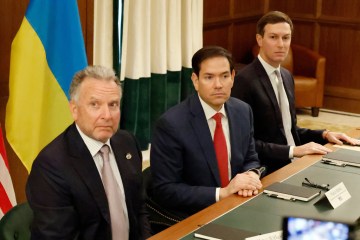
Published November 12, 2026. President Donald Trump’s envoys Steve Witkoff and Jared Kushner arrived in Moscow on Thursday after two days of U.S.-mediated discussions among Russian, Ukrainian and American delegations in Abu Dhabi. They went to the Kremlin to meet President Vladimir Putin, seeking to build momentum for negotiations that have so far produced a concrete humanitarian step but no visible path to ending the war. Their next planned stop was Dublin, where they were expected to meet Ukrainian President Volodymyr Zelenskyy. The sequence matters: Washington is now carrying proposals between Moscow and Kyiv, while the central terms of any settlement remain unsettled. The Moscow Ukraine talks latest round of talks followed earlier meetings in Abu Dhabi this year. The November discussions began on November 10, according to the record of the Abu Dhabi meetings.
The clearest result announced from Abu Dhabi was an agreement on a substantial prisoner exchange. The exact number of people to be exchanged had not yet been settled, and the reports described the arrangement as a proposed deal rather than a completed transfer. Kushner presented it as a step that could help build trust and create momentum. The talks also addressed security guarantees for Ukraine and wider European security arrangements. But there was no announced breakthrough on the terms for ending hostilities. The earlier Abu Dhabi discussions help explain why the new round drew attention, while the immediate takeaway remains limited: the negotiators found a possible point of agreement, not a peace settlement.
The gaps are fundamental, not procedural. Russia and Ukraine remain divided over territory occupied by Russian forces, Ukraine’s future security arrangements, whether Kyiv can join NATO, and the size and capabilities of its military. The broader negotiations have also involved conflicting demands over occupied land and Ukraine’s right to choose its alliances. Those opposing aims are detailed in the background to the peace negotiations). Zelenskyy has said Ukraine will not surrender occupied territory as the price of peace. Moscow, meanwhile, has objected to European governments joining direct talks, arguing that their support for Ukraine makes them participants in the conflict. European leaders worry that a deal could require concessions on NATO’s posture or leave Ukraine exposed to another attack.
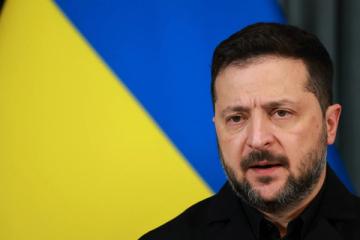
That makes the question of who sits at the negotiating table more than a diplomatic detail. Kushner said one purpose of his meeting with Putin was to seek Russia’s acceptance of European representatives joining the process. The United States and Ukraine want Europe to appoint one negotiator; Moscow has resisted European involvement. Zelenskyy was in Dublin for a gathering involving more than 40 European countries and NATO Secretary-General Mark Rutte, giving the planned meeting with the U.S. envoys a wider diplomatic setting. Zelenskyy said political shifts in the United States and Europe could create an opening to reach an agreement before 2027. He also urged Washington to use its influence on Russia, which he identified as the source of the war. The diplomatic calendar may offer an opening, but the reports give no sign that either side has bridged the disputes themselves.
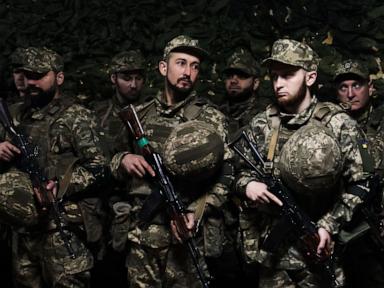
Meanwhile, the battlefield did not pause for the talks. Ukrainian officials said Russia launched 123 drones and several types of missiles overnight. Ukraine’s air force said its forces intercepted or suppressed 89 drones and five missiles, while reporting impacts in 17 locations. Kyiv’s mayor said a drone strike set an apartment building ablaze in the capital’s western Solomianskyi district, killing one person and injuring seven. Ukrainian emergency officials also reported attacks on energy infrastructure in Rivne and an injury in Zhytomyr. Russia’s Defense Ministry said its forces downed 71 Ukrainian drones, and Russian officials reported injuries in Belgorod and Kursk. These are claims attributed to the respective authorities; the reports do not independently verify every battlefield account.
The approaching winter sharpens the stakes for civilians. Many Ukrainians fear this season could be the conflict’s most punishing yet, after heating disruptions left thousands in freezing Kyiv apartments last year. Russia’s attacks on energy infrastructure add urgency to those fears. One mother described deciding to leave Kyiv with her two-year-old child, while her husband remains fighting; she said she expects to return in spring. Her account gives the negotiations a human measure beyond the diplomatic language of guarantees and territory. A prisoner exchange could reunite families, as Kushner argued, but it would not by itself restore heat, end attacks or settle the future of occupied areas. The latest round of U.S.-brokered discussions has to be judged against both realities.
For my part, I’m glad the prisoner exchange is moving forward, even if the larger table has not produced a breakthrough. But a meeting in Moscow is not a settlement, and the next steps will show whether these proposals can survive contact with the unresolved issues. The envoys were expected to consult Zelenskyy in Dublin after seeing Putin; the reports provide no outcome from either planned meeting. That leaves the near-term test straightforward: whether the parties can turn a humanitarian agreement and continuing conversations into specific terms, while the fighting and winter preparations continue.
Update, November 12, 2026: The later accounts add a history to Kushner’s latest encounter with Putin: they had met twice in person earlier this year and once virtually, while Witkoff had met the Russian leader repeatedly. At their January meeting, Putin’s aides tied any lasting settlement to resolving territory on terms discussed with Trump in Alaska. After Thursday’s Kremlin talks, Putin said he wanted to hear the envoys’ assessments from a European perspective, but warned that negotiations with European representatives would be difficult. A separate report said Ukraine had raised renewed restrictions on its military satellite communications.
Reported by The Philadelphia Inquirer, CNN, ABC News, Newsweek, New York Post, The Boston Globe.