Ukraine, Russia and US Set Abu Dhabi Peace Talks
The two-day talks in Abu Dhabi, United Arab Emirates, will be the first negotiations involving officials from all three countries since February. The war is nearing its fifth year, and earlier rounds this year produced no visible progress toward ending it. Experts have cautioned that the latest meeting is unlikely to deliver a major breakthrough.
Envoy Steve Witkoff said the agenda includes security guarantees for Ukraine, Europe’s postwar security arrangements and economic opportunities to support Ukraine’s reconstruction. The discussions follow a weeklong localized truce around Russian-occupied Oleshky last month, which enabled some residents to leave and humanitarian supplies to be delivered. Fighting and long-range drone and missile attacks have continued elsewhere.
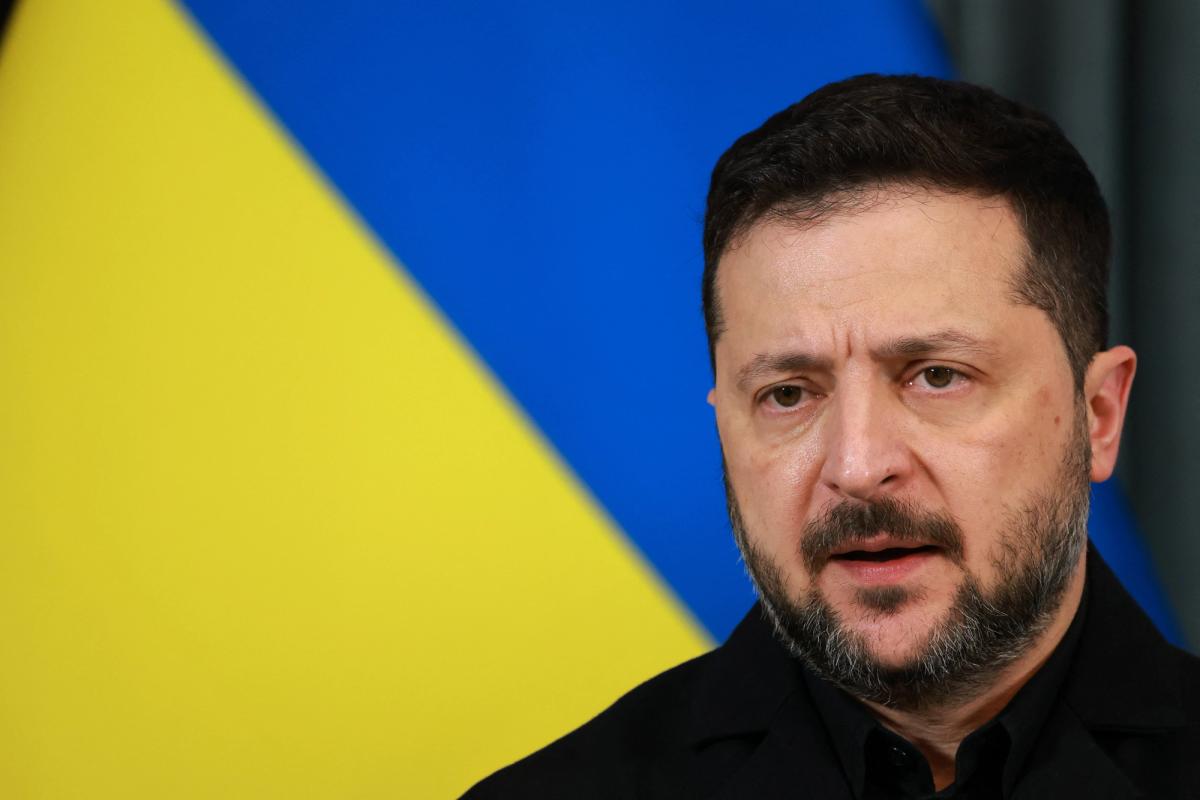
Moscow and Kyiv remain divided over the terms of a settlement. Russian President Vladimir Putin wants Ukraine to withdraw from four regions Russia annexed but has not fully captured, abandon its NATO ambitions and accept limits on its military. Ukrainian President Volodymyr Zelenskyy rejects those terms and says a ceasefire should begin wider negotiations. He has also called for security guarantees describing what Western allies would do if Russia invaded again.
Ukraine wants European allies involved in the negotiations, while Russia opposes their participation at this stage. Kremlin officials say Europe could join broader discussions later. U.S. President Donald Trump said on November 4 that a wider agreement on European security was being developed, but offered no details. A foreign policy expert has warned that small gestures without substantive concessions from Moscow would not change Putin’s course.
Abu Dhabi Talks Must Deliver Security, Not Just Gestures
The Abu Dhabi talks put a central question before Washington: will any agreement protect Ukraine from another Russian invasion, or settle for gestures that leave the danger in place? The two-day meeting starting November 10 is the first involving officials from all three countries since February, but experts warn it is unlikely to produce a major breakthrough.
Zelenskyy rejects Moscow’s demands that Ukraine surrender territory, abandon its NATO ambitions and accept military limits. He says security guarantees must spell out how Western allies would respond if Russia attacks again, and Ukraine wants its European partners included at the table. Russia opposes their involvement for now, even as the talks are set to address Europe’s future security arrangements.
The sides remain far apart: Putin seeks Ukrainian withdrawals from four regions Russia annexed but never fully captured, while Kyiv says an immediate ceasefire should precede wider negotiations. A localized truce around Oleshky allowed evacuations and aid deliveries last month, but fighting and long-range attacks have continued.
Washington’s agenda also includes reconstruction and economic opportunities. But a foreign policy expert has cautioned that small gestures without real concessions from Putin will not change his course. The test for these talks is whether security commitments match the risks Ukraine faces.
Abu Dhabi Talks Test Whether a Wider Security Deal Is Possible
The Abu Dhabi meeting offers a chance to discuss more than a halt to fighting: U.S. President Donald Trump has said a broader European security agreement is being developed. Officials from the United States, Russia and Ukraine are due to meet for two days starting November 10, though experts expect no major breakthrough.
The talks will address security guarantees, Europe’s postwar security arrangements and economic opportunities for Ukraine’s reconstruction. Trump said on November 4 that a coming agreement could involve all of Europe, without giving details. Russia says any comprehensive settlement must also address its security concerns, while Ukraine wants guarantees explaining how Western allies would respond to a future invasion.
The basic demands remain sharply opposed. Putin wants Ukraine to withdraw from four annexed regions, abandon its NATO bid and accept limits on its military. Zelenskyy rejects those conditions and argues for a ceasefire as the first step toward a broader settlement. Russia also opposes European participation at this stage, though Kremlin officials say Europe would need to be involved later in wider negotiations.
A localized truce near Oleshky enabled some evacuations and humanitarian deliveries, but fighting and drone and missile attacks continue. The challenge for negotiators is to turn discussion of mutual security into arrangements that can reduce the risk of another conflict.
Reported by Semafor, The Philadelphia Inquirer, PBS NewsHour, CNN, The Boston Globe, Denver7, The Christian Science Monitor, Townhall.