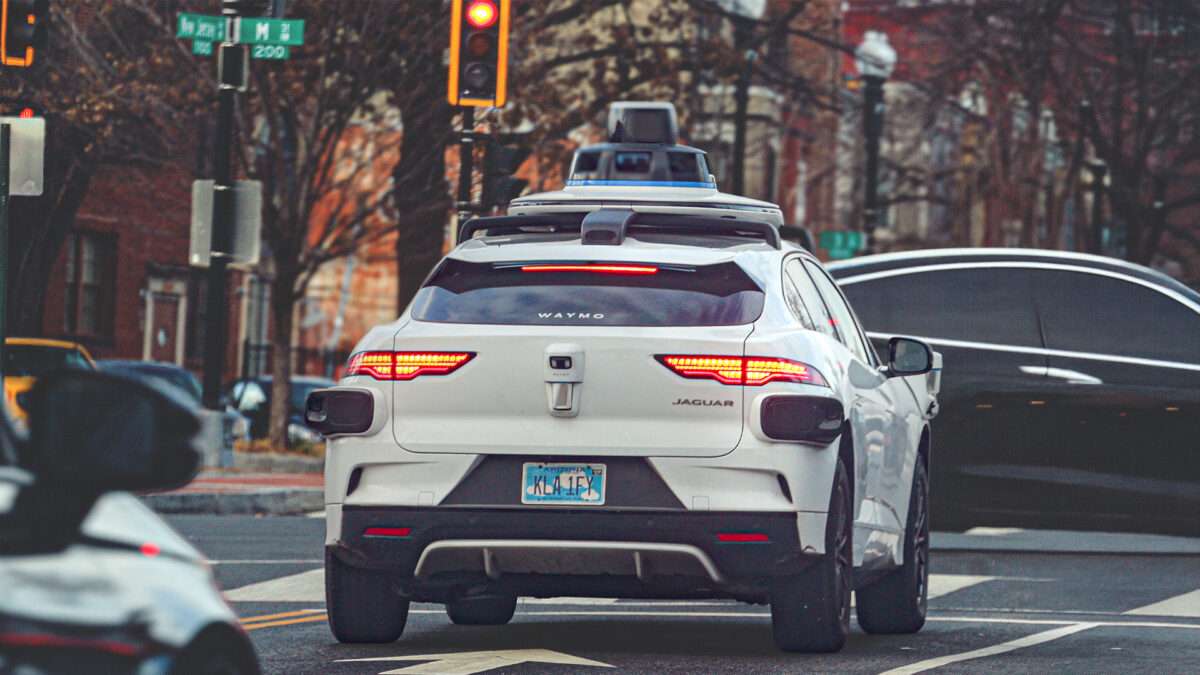
D.C. Council Bill Sets Path for Robotaxis by 2028
The proposal, sponsored by Councilmember Charles Allen, would move autonomous vehicles from testing with a safety driver to driverless trials, with the possibility of carrying paying passengers later. The Transportation and Environment Committee is scheduled to consider the revised bill on November 12; approval would send it to the full Council for a vote. Allen said paid robotaxi rides would still be more than a year away even if the measure passes.
The latest changes reduce the proposed application fee for companies from $5 million to $15,000 and cut a vehicle-miles tax from 15 cents to 7.5 cents per mile. The bill would limit each company to 200 vehicles and set a citywide maximum of 800. Waymo has tested vehicles in D.C. with safety drivers for two years and said in July that they had traveled more than 300,000 miles in the city.
The measure also proposes labor protections, including collective bargaining rights for rideshare drivers and workers at autonomous-vehicle maintenance facilities. A quarter of revenue from robotaxi fees, taxes and fines would support job training and workforce development for rideshare drivers at risk of displacement. It also includes accessibility requirements and protections for people involved in crashes.
Unions and other opponents warn driverless services could threaten jobs and shift earnings away from local workers. Jaime Contreras of 32BJ said the change could displace District residents and send money to Silicon Valley. Supporters argue that a capped rollout and advance rules would help address safety, labor and congestion concerns. Some committee members have signaled opposition, while H Street Main Street director Anwar Saleem supports passage, saying the services are likely to reach nearby areas first.
D.C. Robotaxi Bill Pairs Rollout With Worker Protections
D.C. should set the rules before driverless ride services arrive, and Councilmember Charles Allen’s revised proposal would put worker protections alongside a limited rollout. The committee vote scheduled for November 12 could advance the measure to the full Council. If enacted, the bill would allow driverless testing and could lead to limited passenger service by 2028.
The bill would cap each company at 200 vehicles and all operators at 800 across the city. It would require accessibility measures and crash protections, while giving rideshare drivers and autonomous-vehicle maintenance workers collective bargaining rights. A quarter of fees, taxes and fines would fund training for rideshare drivers whose jobs may be at risk.
Those protections matter because unions warn that driverless fleets could displace local workers and move income out of the District. 32BJ executive vice president Jaime Contreras said the technology could replace residents who drive for a living while sending money to Silicon Valley. Allen argues that rules can limit the damage and make safety a condition of operation.
The latest revision lowered the company application fee from $5 million to $15,000 and halved the per-mile tax to 7.5 cents. Some committee members have indicated they may oppose the bill, and Mayor-elect Janeese Lewis George has called rapid legalization irresponsible because of expected job disruption. The choice is not simply whether technology arrives, but whether workers and the public have enforceable protections as it does.
D.C. Robotaxi Bill Risks Jobs While Cutting Company Costs
The revised robotaxi proposal would lower the cost of entering the D.C. market as the city considers authorizing driverless rides. The application fee would fall from $5 million to $15,000, and the per-mile tax would drop from 15 cents to 7.5 cents. A committee vote is scheduled for November 12, after which the bill could proceed to the full Council.
The measure would cap each operator at 200 vehicles and the citywide fleet at 800. Supporters describe those limits as a cautious test, but unions warn even a limited launch could take work from District residents who earn money driving for Uber and Lyft. 32BJ executive vice president Jaime Contreras said the change could displace local workers and send revenue to Silicon Valley.
Allen says rideshare demand will remain and argues the caps constrain displacement. The proposal would also direct a quarter of robotaxi fees, taxes and fines to job training, and give rideshare drivers and maintenance workers collective bargaining rights. Those provisions do not erase the risk that workers will face a new competitor backed by technology companies.
Some committee members have signaled they will vote against the bill. Mayor-elect Janeese Lewis George has warned that moving quickly could expose workers to job losses and disruption. The committee must decide whether the promise of regulated testing is enough to justify opening the District to driverless commercial service; even passage would leave more than a year before robotaxis could carry paying passengers.