D.C. Council Rejects Bill to Allow Driverless Vehicles
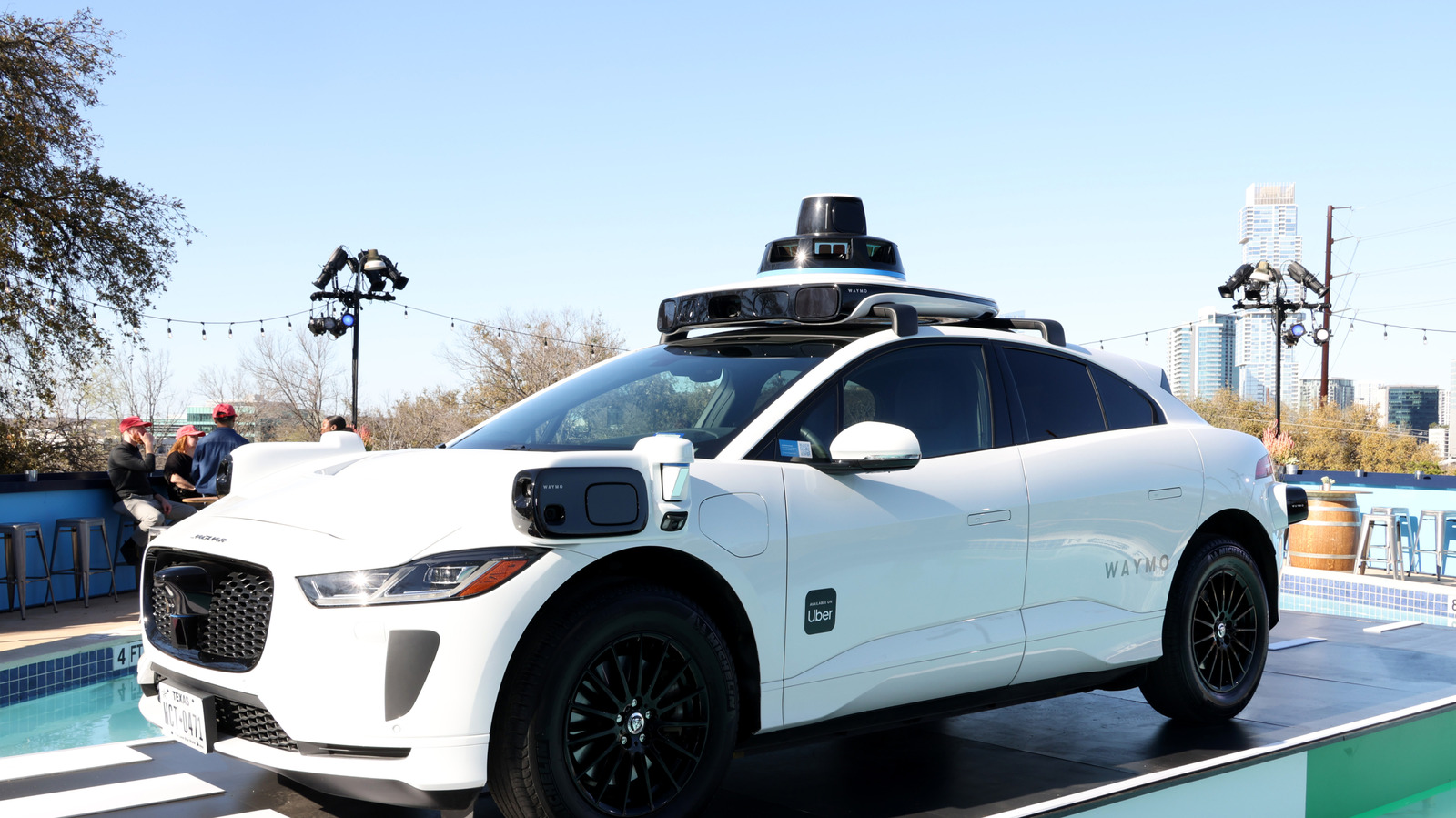
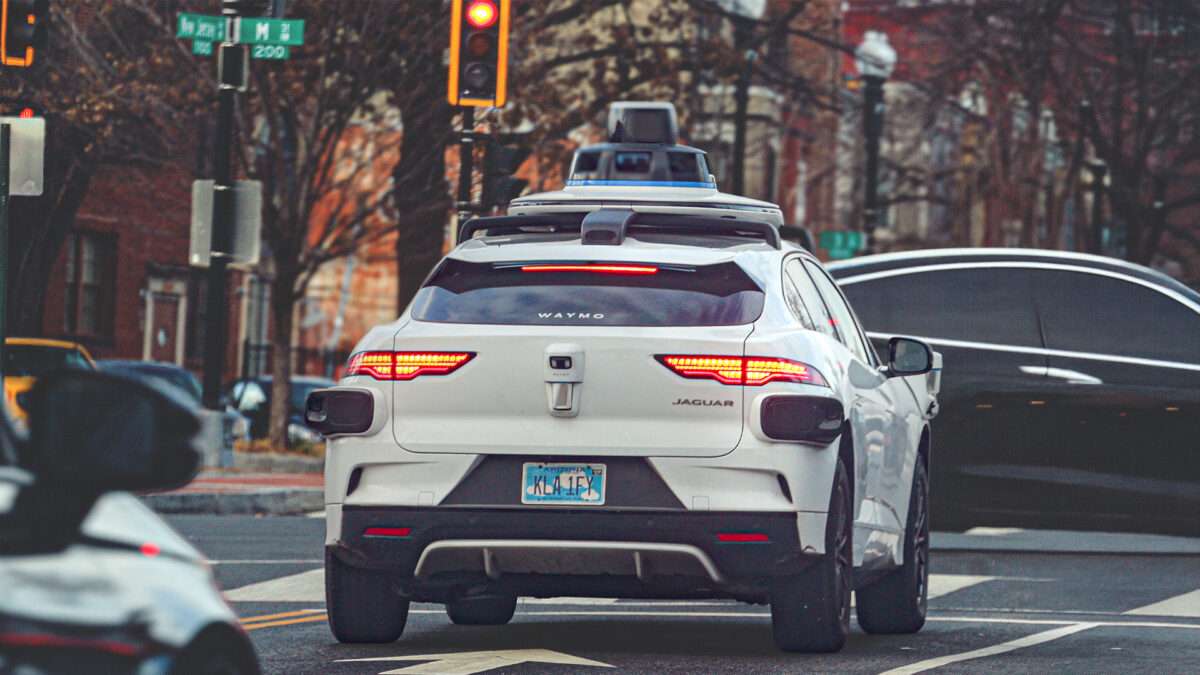
The Autonomous Vehicle Deployment Authorization Amendment Act of 2026 failed in a 3–3 vote by the D.C. Council’s Committee on Transportation and the Environment. The measure, introduced by Councilmember Charles Allen, would have created a legal route for autonomous cars to travel on District streets starting in 2028.
The revised bill would have limited each company to 200 vehicles and capped the citywide total at 800. It also included oversight and accountability measures, and provisions extending collective bargaining rights to Uber and Lyft drivers and unionization rights to autonomous-vehicle maintenance workers.
Councilmembers Janeese Lewis George, Zachary Parker and Elissa Silverman voted against it. Lewis George said the technology remained in a testing phase and that the District should not be used as a test case. Parker cited concerns about effects on current workers and whether new jobs or other benefits would help those displaced.
Supporters argued that the technology could improve road safety and bring jobs to the District. Allen said autonomous vehicles are not vulnerable to impairment, distraction or fatigue behind the wheel. Waymo’s analysis of more than 271 million driverless miles found lower rates of several types of crashes than among human drivers covering comparable distances.
Business advocates warned that the District could fall behind neighboring Maryland and Virginia if it delayed action. Labor representatives said they were not opposed to innovation but wanted protections and more time. Opponents of the bill said they hoped autonomous vehicles could eventually operate in D.C., but pointed to local challenges including motorcades, protests, pedestrians and workers’ rights.
D.C. Rejects Robotaxi Bill After Worker Protections Fall Short
The D.C. Council’s transportation committee voted 3–3 on November 12, defeating a measure that would have opened the District to driverless taxis and delivery vehicles. The outcome reflects a choice not to rush a major change to transportation while workers and communities still face questions about its consequences.
The rewritten bill capped driverless vehicles at 200 per company and 800 citywide. It also offered collective bargaining rights to Uber and Lyft drivers and unionization rights for autonomous-vehicle maintenance workers. Those changes did not ease Councilmember Zachary Parker’s concerns about job losses or competition with unionized transit services.
Mayor-elect Janeese Lewis George said the technology was still being tested and that the District should not serve as a guinea pig. Labor representatives likewise said they were open to innovation but opposed pushing the proposal through without adequate protections for workers.
Supporters cited safety benefits and potential new jobs, including an analysis of Waymo vehicles that found fewer crashes resulting in serious injuries or deaths than among human drivers over comparable distances. But the vote’s opponents said that promise did not settle questions about who would bear the costs of automation. They also pointed to the District’s particular street conditions, including motorcades, protests and pedestrians.
The measure would have created a path to deployment by 2028. Its rejection leaves the council’s stated desire to address local challenges and worker rights ahead of any future rollout.
D.C. Rejects Driverless Cars Despite Safety Case
D.C. lawmakers rejected a path for driverless taxis and delivery vehicles on November 12, voting 3–3 against legislation that could have brought the technology to the District by 2028. The decision puts labor concerns ahead of a safety case supporters said could save lives.
The bill’s sponsor, Charles Allen, argued that autonomous vehicles are not vulnerable to impairment, distraction or fatigue behind the wheel. Waymo’s analysis of more than 271 million driverless miles found lower rates of serious-injury and fatal crashes, pedestrian injury crashes and cyclist injury crashes than among human drivers traveling comparable distances.
The revised legislation included substantial limits: no more than 200 vehicles per operator and 800 across the District. It also extended collective bargaining rights to Uber and Lyft drivers and unionization rights to maintenance workers. Still, opponents including Mayor-elect Janeese Lewis George and Councilmember Zachary Parker voted no, citing the technology’s testing status, job impacts and competition with unionized transit.
Those concerns deserve consideration, but they do not erase the potential safety gains. The vote leaves the District without the legal framework supporters said could attract jobs and establish it as a leader, while neighboring Maryland and Virginia may move ahead. The bill’s defeat means those potential benefits will not be tested under the proposed oversight and vehicle caps.