Republican Election Fraud Claims Fade After Midterm Losses
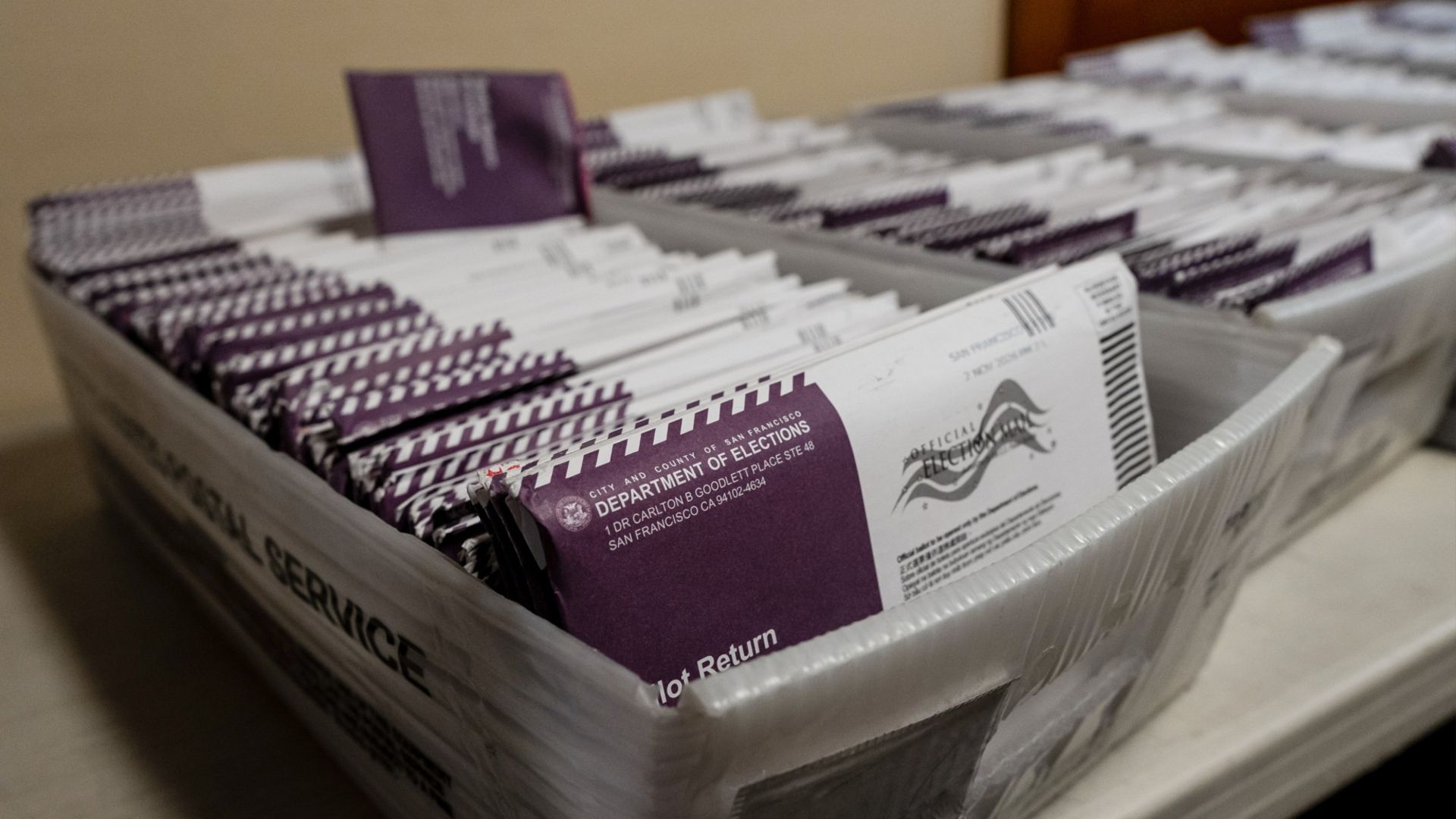
Republicans made few public challenges to the 2026 midterm results, despite predictions that election-fraud claims and legal disputes would follow. Democrats made major gains, taking seven Senate seats, 42 House seats and at least five governors’ offices. Several contests were still unresolved as of November 11, including Senate races in Alaska and Mississippi, 18 House races and Alaska’s gubernatorial contest.
In races featuring Republican candidates who had questioned election integrity, nearly all lost. Wisconsin Rep. Tom Tiffany conceded his reelection defeat without alleging fraud. Colorado Republican secretary of state candidate James Wiley also conceded after making election skepticism a central part of his campaign.
The scale of the Democratic wins may have discouraged challenges, with one Trump adviser describing the outcome as too large to manipulate. But David Becker, who leads an independent election research organization, cautioned that large margins may not deter people who benefit from election conspiracy claims.
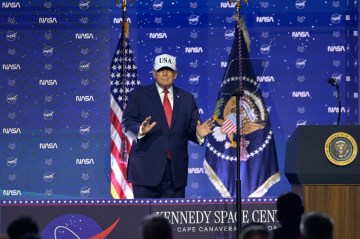
Trump initially accepted the results but later questioned whether the election was honest, focusing on voting machines. The election challenges have also not ended the administration’s efforts to address alleged voting by noncitizens.
Voters Reject Election Deniers, but Trump Keeps Undermining Trust
The 2026 midterms delivered sweeping Democratic gains, and the wave of expected Republican election challenges largely failed to materialize. Republicans lost seven Senate seats, 42 House seats and at least five governors’ offices, while several contests remained undecided on November 11.
Nearly all Republican candidates who had questioned election integrity lost. Wisconsin Rep. Tom Tiffany conceded without alleging rigging, as did Colorado secretary of state candidate James Wiley, whose campaign had centered on undermining confidence in elections. Their concessions stand in sharp contrast to predictions of legal fights from election deniers.
The size of the Democratic wins may have helped quiet claims: a Trump adviser said the result was too large to rig. But David Becker, director of an independent election research group, warned that margins may not matter to those who profit from election conspiracy claims.
Trump first accepted the results, then questioned their honesty and singled out voting machines. His continued attacks show why the absence of widespread challenges cannot be mistaken for an end to efforts to weaken confidence in elections. The administration’s campaign against alleged noncitizen voting also continues.
A Landslide, Not Trump, Explains the GOP’s Midterm Losses
The 2026 midterms were a crushing result for Republicans: Democrats gained seven Senate seats, 42 House seats and at least five governors’ offices. With Alaska’s Senate and governor races and 18 House contests still being determined on November 11, the final totals were not yet settled.
The scale of the Democratic victory matters. A Trump adviser described the result as too large to rig, and Republicans who lost—including Wisconsin Rep. Tom Tiffany and Colorado secretary of state candidate James Wiley—conceded without claiming their races had been stolen. The evidence presented here points to a broad defeat, not a wave of successful fraud complaints.
That should not be turned into a claim that Trump caused the losses. The reported results show Democrats winning decisively; they do not establish that election-fraud arguments drove the outcome. Most Republicans did not contest the results, and even candidates who had questioned election integrity accepted defeat.
Trump later questioned the election’s honesty and focused on voting machines. That statement does not change the central political fact: Republicans suffered major losses, while some contests remained open and the administration continued its focus on alleged noncitizen voting.
Reported by The Week, The Washington Examiner.