Republicans Return to Capitol After Midterm Rout
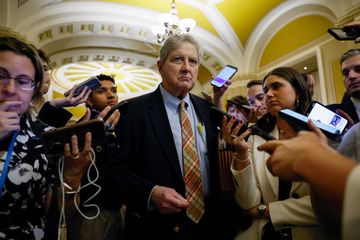
On November 9, Republicans returned to the Capitol after Democrats won a 54-seat Senate majority and a 254-seat House majority in last week’s midterm elections. Ballot counting could still increase the Democrats’ totals. The results left Republicans divided between those who said they had anticipated trouble and those surprised by the scale of the losses.
Senator John Curtis of Utah said voters were angry and disappointed, adding that Republicans deserved the outcome. Representative Warren Davidson of Ohio said the party might have fared better if it had delivered on its 2024 campaign promises. Glenn Thompson, a Republican representative from Pennsylvania, argued that voters’ pocketbook concerns were central and said the effects of President Donald Trump’s policies would come too late to change the result.
Senator Josh Hawley of Missouri criticized Republican support for Medicaid cuts, saying they could put rural hospitals’ finances at risk. Republicans had also voted against efforts to end the Iran war and repeal Trump’s tariffs. Their handling of those issues, along with other disputes, featured in lawmakers’ explanations for the defeat.
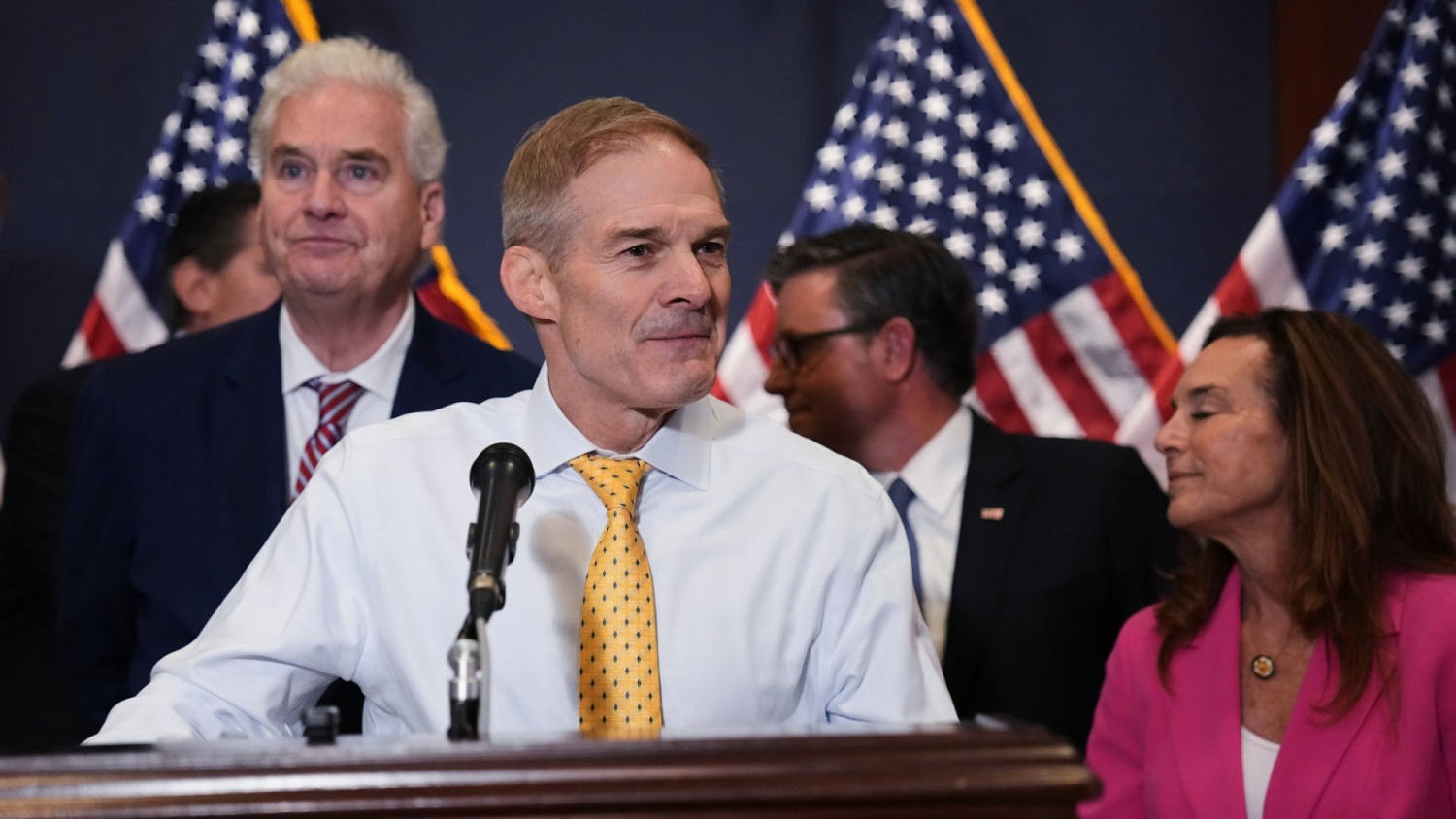
Republicans must still address a December 11 deadline to extend government funding, as well as unfinished defense and agriculture legislation. House Speaker Mike Johnson said the chamber would keep working as long as needed. The House is scheduled to adjourn on December 17 and the Senate on December 18, leaving limited time for further legislation before Democrats take control.
Voters Rebuke Republicans for Following Trump’s Agenda
On November 9, Republicans returned to the Capitol after Democrats won a 54-seat Senate majority and a 254-seat House majority in last week’s midterm elections. The scale of the defeat left GOP lawmakers confronting a clear verdict from voters, with ballot counting still under way.
Senator John Curtis of Utah said voters were angry and disappointed, and that Republicans deserved the result. Representative Warren Davidson of Ohio said Republicans might have avoided it if they had delivered on their 2024 campaign promises. Senator Josh Hawley of Missouri identified a specific failure: backing Medicaid cuts that he said threaten the finances of rural hospitals.
Republicans also voted against efforts to end the Iran war and repeal President Donald Trump’s tariffs. Their record included repeatedly backing Trump’s agenda or standing aside as he acted, even in ways that appeared to challenge Congress’s constitutional role. The election’s scale makes those choices difficult for the party to dismiss. Pennsylvania Republican Glenn Thompson said economic gains from Trump’s policies would come too late to affect the result.
Republicans now face a December 11 deadline to extend government funding, along with unfinished defense and agriculture legislation. House Speaker Mike Johnson said the House would keep working as long as needed. But the House is set to adjourn on December 17 and the Senate on December 18, leaving a narrow window before Democrats take control.
Republicans Must Learn From Midterm Defeat and Deliver
Republicans returned to the Capitol on November 9 after Democrats secured a 54-seat Senate majority and a 254-seat House majority in last week’s midterm elections. The result stunned some GOP lawmakers, while others said warning signs had been there. Ballot counting could still add to Democratic gains.
Representative Warren Davidson of Ohio said Republicans could have had a different outcome if they had delivered on what they promised voters in 2024. Senator John Curtis of Utah said people were disappointed and felt unheard. Those are warnings the party cannot afford to ignore: voters expect results, not explanations after a rout.
Pennsylvania Republican Glenn Thompson argued that pocketbook concerns drive elections and said the benefits of Trump’s policies would arrive too late to help this time. Davidson also pointed to a mix of unmet commitments. Senator Josh Hawley of Missouri faulted the party’s Medicaid cuts, saying they could endanger rural hospitals. Republicans now face pressure to focus on what they can accomplish before Democrats take control, rather than simply debate why they lost.
The immediate tasks include extending government funding before December 11 and completing defense and agriculture legislation. House Speaker Mike Johnson said lawmakers would work as long as needed. The House is scheduled to adjourn on December 17, with the Senate a day later, making the remaining time a test of whether Republicans can deliver before the political balance shifts.
Reported by The Washington Examiner, The Guardian.