Democrats weigh changes to voter-approved measures in two states
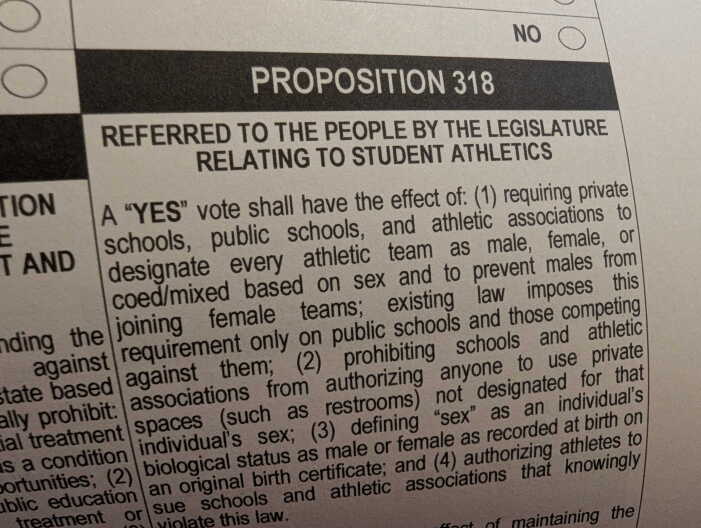
In the week before November 10, voters in Colorado and Washington approved measures restricting transgender students’ participation in girls’ sports. In Colorado, voters also approved a ban on gender-related surgeries for minors and measures increasing penalties for fentanyl offenses and child sex trafficking.
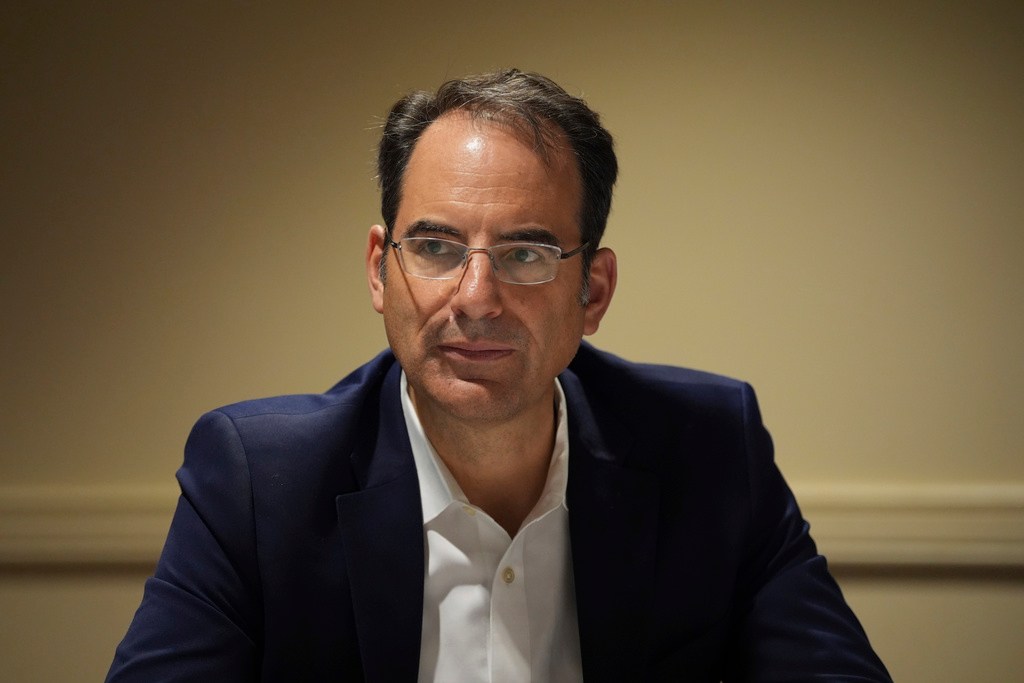
Colorado Gov.-elect Philip Weiser said the state legislature could consider adjustments to the measures. He objected to the sports measure in part because he did not want student athletes subjected to invasive physical checks or other violations of personal privacy. Colorado Republicans accused him of disregarding voters’ decision.
In Washington, Initiative 638 bars students the measure classifies as male by birth from competing in girls’ K-12 sports and requires health care provider verification of biological sex for students seeking to join girls’ teams. It passed with about 56% support. Rep. Pramila Jayapal said Democrats would plan how to overturn the initiative, while state Democratic Party chair Shasti Conrad backed support for a legal challenge, calling the measure unconstitutional.
Washington lawmakers cannot repeal the initiative during its first two years, though they can revise it if two-thirds of legislators in each chamber approve. After that period, a simple majority can amend or repeal it. The dispute in both states centers on whether officials will preserve the measures or pursue changes through legislative or legal channels.
Voter-approved sports rules raise privacy and equality concerns
Voters in Colorado and Washington approved restrictions on transgender students competing in girls’ sports, but the measures have prompted concerns about privacy and equal treatment. In Colorado, Gov.-elect Philip Weiser said lawmakers could consider adjustments, warning that the sports measure could lead to invasive physical checks or other violations of student privacy.
Colorado voters also approved a ban on gender-related surgeries for minors, alongside measures increasing penalties for fentanyl offenses and child sex trafficking. Weiser’s suggestion that lawmakers revisit the measures drew attacks from Republicans, who accused him of treating the vote as optional.
In Washington, Initiative 638 bars students classified as male by birth from girls’ K-12 sports and requires health care provider verification of biological sex for students seeking to compete on girls’ teams. It passed with about 56% support. Rep. Pramila Jayapal said Democrats would plan to overturn it, and state Democratic Party chair Shasti Conrad supported backing a legal challenge, calling the measure unconstitutional.
The debate is not simply about whether a measure passed. Washington’s rules permit amendments during the first two years only if two-thirds of the members in both legislative houses approve; after that, a simple majority can amend or repeal it. Colorado Republicans’ claims of voter betrayal leave out the concerns officials have raised about how the rules could affect students’ privacy and rights.
Democrats move to undo restrictions voters just approved
Voters in Colorado and Washington backed restrictions on transgender students in girls’ sports, but Democratic officials quickly signaled they may try to change or overturn them. The moves have given Republicans a pointed contrast with Democrats’ support for the No Kings movement and its emphasis on popular rule.
Colorado Gov.-elect Philip Weiser said the legislature could revisit the measures. Colorado voters had also approved a ban on gender-related surgeries for minors and increased penalties for fentanyl offenses and child sex trafficking. Republicans said Weiser was treating voters’ decisions as suggestions rather than results to respect.
In Washington, Initiative 638 passed with about 56% support. It bars students classified as male by birth from girls’ K-12 sports and requires health care provider verification for students seeking to compete on girls’ teams. Rep. Pramila Jayapal said Democrats would plan how to overturn the initiative, while Democratic Party chair Shasti Conrad supported backing a court challenge.
Washington’s rules block repeal during the initiative’s first two years, though lawmakers can revise it if two-thirds of legislators in both chambers approve; afterward, a simple majority can amend or repeal it. Republicans argue that using those routes to undo the vote would contradict Democrats’ claims to defend democracy. The central test now is whether officials accept the outcome or seek to reverse it.
Reported by The Washington Examiner, Fox News, Hot Air.