California Restricts Minors’ Purchases of Certain Supplements
California’s AB 2030 will bar people under 18 from buying certain muscle-building and dietary supplements starting January 1, 2027. The law includes creatine and products containing ingredients such as green tea extract, raspberry ketone, garcinia cambogia and green coffee bean extract. Buyers must show identification to verify their age when purchasing covered products; the restriction does not apply to every shopper or every supplement.
Newsom’s office said the supplements may cause dangerous side effects. The American Herbal Products Association opposed the measure. Its vice president of regulatory and government affairs, Robert Marriott, said the law lacked scientific justification and cast doubt on products he described as safe and beneficial.
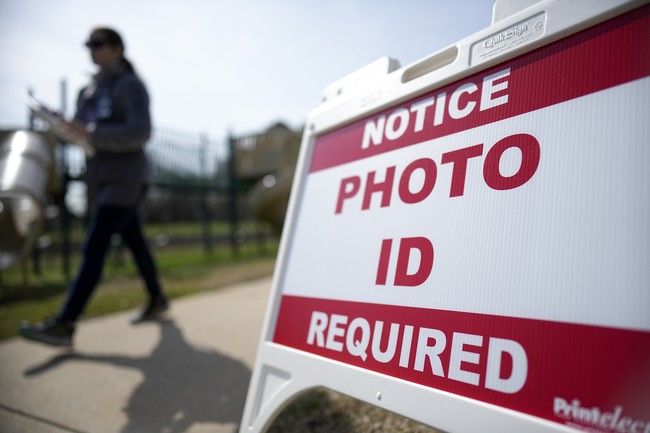
The law has also become part of a broader dispute over identification requirements. California voters recently rejected a voter ID measure, with the result described as roughly 60% against and 40% in favor. Critics of the new supplement restrictions argue that requiring ID for those purchases conflicts with opposition to voter ID laws. The two rules address different situations: the new law concerns age verification for particular products, while the ballot measure concerned identification at elections.
The law is scheduled to take effect in 2027. Its coverage of specific products, including protein powders, has been a focus of public debate.
California’s Supplement Rule Is Not a Voter ID Law
California’s new supplement law targets sales to minors, not voters. Signed by Gov. Gavin Newsom, AB 2030 takes effect January 1, 2027, and requires age verification for people under 18 seeking to buy specified products, including creatine and supplements containing listed ingredients.
Newsom’s office says the products may cause dangerous side effects. The American Herbal Products Association disputes the law’s basis: its vice president, Robert Marriott, said it lacks scientific justification and raises concerns about safe, beneficial products.
Opponents are trying to turn the age restriction into an argument against California’s approach to elections. But checking whether a young buyer is eligible to purchase particular supplements is not the same policy as requiring voters to produce identification. California voters rejected a voter ID measure by about 60% to 40%; that result does not make the two rules equivalent.
The law’s reach and the evidence supporting it deserve scrutiny. Still, portraying an age check for specified products as proof that voter ID is necessary blurs two distinct questions: how to regulate sales to minors and how to protect access to the ballot.
California Demands ID for Supplements, Not for Voting
California has found a reason to check identification at the counter: under AB 2030, buyers under 18 will need age verification to purchase certain supplements, including creatine and products with specified ingredients. The law, signed by Gov. Gavin Newsom, takes effect January 1, 2027.
That contrast is hard to ignore. California voters rejected a proposal to require ID in elections by roughly 60% to 40%, while the state is imposing an ID check for purchases it considers risky for minors. If identification is workable for these transactions, Democrats should explain why they dismiss it when the question is verifying voters.
Newsom’s office says the supplements may cause dangerous side effects. But the American Herbal Products Association opposed the measure, with its vice president Robert Marriott saying it lacks scientific justification and casts a shadow over products he considers safe and beneficial. The state’s decision deserves more than a safety slogan—especially when it adds another hurdle for young customers.
The restrictions are set to begin in 2027. Their scope includes specified supplements, not every product or every purchaser, but the law sharpens a debate about when California considers ID necessary and whose access it chooses to restrict.
Reported by PJ Media, Townhall.