Senate Advances Bipartisan Energy Permitting Bill
The 73-25 vote cleared a procedural barrier for the nearly 500-page Bipartisan American Affordability and Jobs Act, limiting debate and moving the measure toward consideration by the full Senate. The bill would revise permitting rules for energy and infrastructure projects and address data center regulation, among other issues.
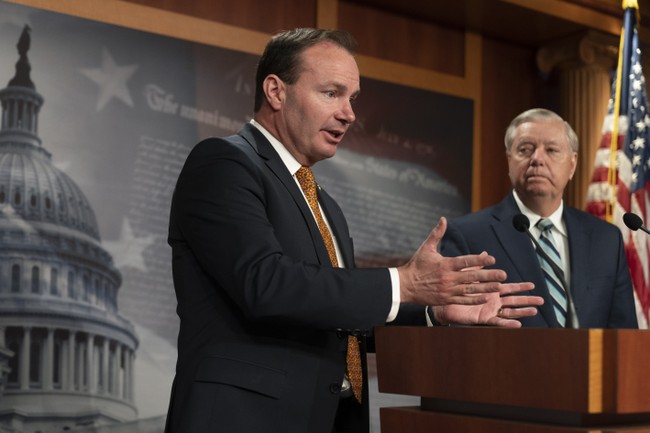
The package was assembled by four senators: Democrats Sheldon Whitehouse and Martin Heinrich, and Republicans Mike Lee and Shelley Moore Capito. Supporters, including business groups, energy developers and labor unions, are urging Congress to act during the final two months of the session. President Donald Trump has also endorsed it.
The bill faces criticism from environmental groups and some tribal leaders, who warn that it could favor fossil fuel and mining development and restrict public participation and legal challenges. Its latest version adds federal consultation requirements for projects affecting tribal cultural sites, preserves union collective bargaining agreements and creates a Department of Energy program to help communities assess data center impacts.
Democratic Sen. Catherine Cortez-Masto of Nevada says the tribal consultation provisions still need to change. She plans to offer an amendment removing that language and says she will oppose final passage if it remains. The bill’s negotiators say they are open to amendments; the Senate’s next steps include debate and a potentially lengthy amendment process. If approved there, the bill would also need House passage before going to Trump for approval.
Senate Bill Advances Despite Tribal and Environmental Objections
The Senate has moved forward with a broad permitting bill despite objections from environmental advocates and tribal leaders who warn that its faster project approvals could come at the expense of public participation and protections for culturally important places. The 73-25 vote on November 9 cleared a procedural hurdle, not final passage.
The nearly 500-page Bipartisan American Affordability and Jobs Act would change rules for energy and infrastructure projects, including environmental review deadlines. Critics say the package could benefit oil and gas developers and make legal challenges to projects harder. The Wilderness Society’s Abby Tinsley warned that the measure could entrench fossil fuel drilling, mining and data center development.
The latest draft includes requirements for federal agencies to consult tribes about projects affecting cultural sites. But Democratic Sen. Catherine Cortez-Masto of Nevada says changes to historic preservation rules were made without tribal input. She plans to offer an amendment striking that language and has said she will oppose the bill if it remains.
Supporters point to revisions that add a Department of Energy program to help state, local and tribal governments evaluate data center effects on electricity, water, infrastructure and local economies. The bill also preserves union collective bargaining agreements. Its negotiators say amendments remain possible, but the package still needs Senate approval and then House passage before it could reach President Donald Trump. The debate now is whether the revisions meaningfully protect communities or leave them bearing the costs of faster development.
Bipartisan Permitting Reform Clears Key Senate Hurdle
A bipartisan effort to reduce delays for energy and infrastructure projects has cleared its first major Senate hurdle. The 73-25 vote on November 9 advances the nearly 500-page Bipartisan American Affordability and Jobs Act toward debate, amendments and a final vote.
The package addresses permitting timelines, power transmission, data centers and other matters. Its backers, such as commerce associations, clean-power project firms and organized labor, alongside the president, have endorsed it. Four leading energy-policy senators—Democrats Sheldon Whitehouse and Martin Heinrich and Republicans Mike Lee and Shelley Moore Capito—negotiated the agreement.
The bill’s supporters argue that permitting changes can move projects forward while the revised text adds safeguards and community support. The latest version requires federal agencies to consult tribes about projects affecting cultural sites, preserves union bargaining agreements and establishes a federal program to help communities assess data center effects on resources and local economies.
Some environmental groups and tribal leaders remain opposed, warning that the measure could ease fossil fuel and mining development and constrain challenges to projects. Nevada Democrat Catherine Cortez-Masto wants the tribal-related language removed and has pledged to oppose final passage if it stays. Her concerns, and other proposed amendments, will test whether critics can alter the compromise. The Senate process could be lengthy, and the House must also pass the bill before it can go to Trump for approval.
Reported by The Washington Examiner, Deseret News, Newsweek, Reason.