The Senate’s energy deal risks outrunning its public mandate

On November 9, the Senate returned to Washington after an election that handed Democrats sweeping gains. Its first major test was a Senate permitting bill designed to make construction faster. The Bipartisan American Affordability and Jobs Act, known as BAAJA, would reshape federal reviews for power lines, data centers and gas pipelines. Its supporters say years of delay are holding back energy supply and keeping bills high. Its opponents warn that speeding construction by weakening public safeguards can leave communities with less say over what gets built around them. The Senate was preparing for an initial procedural vote, not yet a final decision on the legislation. The latest Senate permitting fight arrives with a new electoral mandate in the background—and an old argument over who pays for growth.
The bill’s four chief negotiators—Republicans Shelley Moore Capito and Mike Lee, and Democrats Martin Heinrich and Sheldon Whitehouse—reached their agreement weeks before the election. They lead Senate energy and environment panels. They say the country cannot afford to leave projects stalled while electricity demand grows. President Donald Trump urged senators to support the measure. He argued it would help build energy infrastructure faster and reduce costs. Clean-energy developers and oil and gas groups back it, too. The sponsors released amendments on Saturday to shore up support. On Monday, Heinrich said revisions addressed tribal consultation. He argued renewables could compete successfully if the rules were fair. Whitehouse said the measure could start further Democratic climate policy next year, not end the debate.
That argument runs into the political force of the election. Anger over rising electricity costs and energy-hungry AI data centers helped put Democrats in a stronger position. Incoming lawmakers are expected to take office in January. The timing creates a narrow window for proponents to move the bill before the new Congress convenes. But it also makes a rush to pass it politically fraught. House Minority Leader Hakeem Jeffries, expected to become speaker, said the proposal fell short, including on tribal sovereignty. He said Democrats would not simply approve legislation without more involvement. Senate Democrats’ win does not itself settle the bill’s fate. A procedural vote is only one step; Senate rules can allow debate to continue unless it is brought to a close under the chamber’s procedures. The lame-duck calendar gives the current Congress time to act, while the election has changed the political cost of doing so.
The substance explains the clash. BAAJA would shorten permitting timelines for clean and fossil-fuel projects. It would simplify federal rules for interstate transmission lines and change what triggers review under the National Environmental Policy Act. It would also narrow review under the National Historic Preservation Act, limit some use of the Clean Water Act, and shorten timelines under the Endangered Species Act. The bill would also restrict who can challenge approvals in court. Supporters contend federal review can stretch for years and prevent needed infrastructure from being built. Organizations such as the Sierra Club and National Wildlife Federation say the proposed limits would weaken safeguards. They warn the changes would make it harder for affected communities to contest decisions. The bill’s last-minute Senate test is therefore about more than speed: it is about which protections count as obstacles, and whose objections the process must hear.
For tribal nations, the question is not abstract. Indigenous advocates urged senators to reject the bill. They argue it would weaken the government’s obligation to consult tribes about projects affecting them. The sponsors say changes made before Monday’s vote strengthen that consultation. Jeffries, however, has said the proposal still falls short on tribal sovereignty. Those positions remain in tension; the reports do not establish that the revised text resolves it. The bill also concerns immigration enforcement infrastructure. Opponents say its permitting changes could accelerate construction of ICE detention centers. Debate over what the measure might facilitate is part of the debate over what its faster process would cover—not just which energy sources get built.
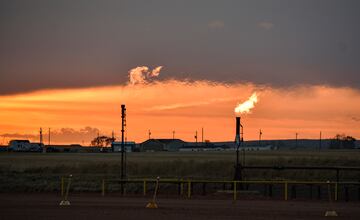
The fossil-fuel stakes are especially concrete. Critics say the bill could ease new gas pipeline construction and support more liquefied natural gas exports. They also say it could make it easier to power data centers with gas. They point to the revived Constitution pipeline, which could benefit from Clean Water Act changes. New York denied its water-quality permit in 2016. A western industry advocacy group has also said permitting reform matters to plans for gas pipelines serving domestic data centers and LNG exports. The bill’s backers emphasize that it also advances clean-energy projects, including transmission lines. Whether renewables gain from a faster process does not answer whether fossil infrastructure gains as well; by design, the bill covers both.
The sponsors have offered a political case alongside their permitting case. Whitehouse says a provision would prevent the administration from using taxpayer funds to compensate clean-energy developers for abandoning offshore wind leases. It would also redirect investment toward fossil fuels. The report says the administration has spent nearly $4 billion on such settlements. That provision is part of the sponsors’ claim that the bill can constrain one administration’s actions while clearing a path for broader construction. Environmental organizations counter that the bill’s changes to review and litigation could outlast any one administration. They say the changes could make it harder for the public to challenge projects. The debate over Democrats’ next clean-energy direction will continue whether this bill passes or fails.
For my part, the tribal consultation dispute is the part I would want lawmakers to answer plainly before they vote. A promise of later improvements is not the same as knowing what the amended language actually protects. The next step is the Senate’s procedural vote, followed by the fight over amendments. Lawmakers will also consider whether the measure can clear both chambers before the new Congress takes office. A faster permit is not automatically a better decision; the test is whether the people living with its consequences still have a meaningful voice.
Reported by The Philadelphia Inquirer, The Guardian, PBS NewsHour, The Daily Caller, Semafor.