Senate Republicans Debate Leadership After Election Losses

The Senate’s lame-duck session opened on Monday, November 9, with Republicans weighing whether to proceed with a leadership election already scheduled for Tuesday, November 10. A group of senators wants the conference to examine its election losses and hear more from those seeking to lead it. At the same time, Democrats are preparing for a procedural vote on a permitting reform bill, with disagreements inside their own party over what changes it needs. The two disputes are different in kind, but both concern how much time lawmakers should spend on deliberation before making consequential choices. The call to delay the Republican vote arrived just as the Senate returned to business after the election.
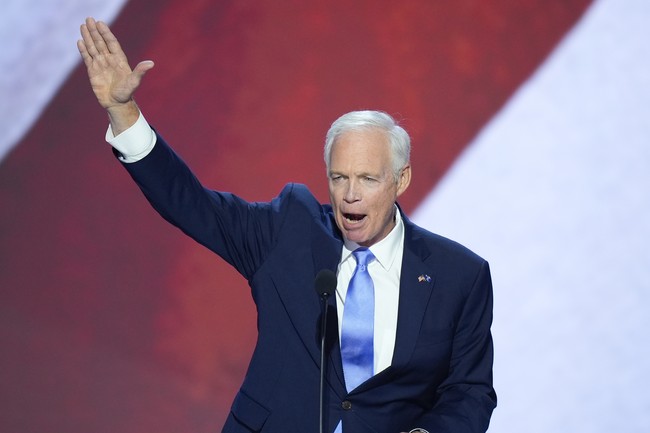
Senator Ron Johnson of Wisconsin delivered a letter to conference chair Tom Cotton of Arkansas asking that the leadership election be postponed until Republicans could discuss their defeat and the party’s approach in the minority. The letter had the five signatures required to force a special conference meeting: Johnson’s, along with those of Rick Scott of Florida, John Kennedy of Louisiana, Ted Budd of North Carolina and Mike Lee of Utah. The rules permit consideration of a delay under those conditions; the letter itself does not automatically cancel Tuesday’s election. The effort to postpone the vote is therefore a demand for a meeting and a debate, not yet a change in who leads the conference.
The signers argue that Republicans should hear how leadership candidates intend to work with the conference and respond to the results before voting. Lee said members first needed time to take stock; Kennedy and Scott publicly backed the letter, while Budd also signed it. Other Republicans have pressed for more time without signing. David McCormick of Pennsylvania said he had told John Thune he opposed moving straight to an election before members had considered what went wrong and how to proceed. Jim Banks of Indiana likewise called Tuesday too soon and urged a candid discussion about the party’s purpose and its obligations to working families. Their case for a longer discussion is shared by several members, though they do not all propose the same remedy.
The stakes are plain in the election figures reported by the senators and the accounts of the race. Democrats won at least 54 Senate seats, with Alaska and Mississippi still unresolved and potentially adding to their total. One account says Democrats gained seven seats, including Texas, where Democratic state representative James Talarico defeated Republican state attorney general Ken Paxton in the November 3 contest. The Texas result is one concrete piece of the broader setback. The election’s scale has sharpened questions about Republican strategy heading toward 2028; it does not, by itself, settle whether changing leaders, changing policy, or changing campaign priorities would make the difference.
Thune, who is expected to seek another term as the top Republican in the Senate, remains popular with many colleagues and is expected to run without opposition. Republican leadership had already planned a meeting in advance of the election, and one account describes Thune as receptive to members’ feedback. Scott, who has run for the leadership post twice, has said he does not want to run again, while declining to give a firm answer about whether he would back Thune. That leaves a distinction between demanding a serious review and mounting a challenge to the incumbent; the reports describe the first more clearly than the second. A similar delay effort was defeated by Republicans in 2022, a precedent that may weigh on members considering whether to alter the timetable. The question of Thune’s path forward remains unresolved, even if the leadership election itself is still on the calendar.
The political argument also has a policy edge. Scott wants Republicans to commit to pursuing voter-identification legislation, and he has called for the Senate to remain in session through January, when Democrats take the majority. The bill he has highlighted, the SAVE America Act, did not have enough Republican support to pass even before the election, according to one account. President Donald Trump has at different times praised Thune and urged him to eliminate the filibuster to advance the bill. The reports say the White House had not immediately responded to a question about whether Trump supports Thune’s continued leadership. These points show competing views about priorities and procedure; they do not establish that a different leader could secure the votes the measure lacks. Republicans’ remaining legislative choices are set against the approaching transfer of Senate control.
The Democratic permitting bill presents a separate test of the lame duck. The Senate is due to hold a procedural vote on Monday evening, and it appears likely to advance. Some environmental groups oppose the bill, while Democrats are seeking additional changes. Senators Martin Heinrich of New Mexico and Sheldon Whitehouse of Rhode Island, both climate hawks, have publicly urged passage during the session. The bill has stalled over multiple Congresses, and supporters inside the party see an opportunity to move it now; if it advances, Senate passage may take a couple of weeks. That timetable matters. Republican leaders have elections to conduct and legislative business to finish, while Democrats have a bill that requires more negotiation. Neither side can treat the remaining weeks as an unlimited resource.
There is also a longer political background to Scott’s voter-ID demand. After the 2020 presidential election, Republican lawmakers introduced measures in many states that restricted or changed voting rules, including requirements for identification and limits on some voting methods, according to the evidence provided. That history of election-law efforts helps explain why voting policy is politically charged; it does not establish what voters in 2026 thought about any single proposal. The Senate accounts describe the election as a sharp rebuke of Republicans, but they do not supply a full explanation for the outcome. Assigning one cause before a careful review would be premature, whether the preferred answer is leadership, legislation or a slogan.
For my part, I would rather see senators make time for an honest accounting than pretend the calendar itself is an argument. But an extra meeting is useful only if members are willing to examine both their decisions and their assumptions. The immediate sequence is clearer than the eventual result: the Republican conference must decide whether to delay its leadership vote, the Senate will test the permitting bill procedurally, and Democrats will hold their own leadership elections in early December. The work of a minority begins before its members have finished explaining how they became one.
Reported by Semafor, The Daily Beast, Fox News, Breitbart, WTOP, The Daily Caller.