Senate Set for Permitting Reform Vote on Energy and Infrastructure
The Senate is scheduled to take a procedural vote on November 9 on the Bipartisan American Affordability and Jobs Act, a proposal to change federal approval rules for energy and infrastructure projects. Clearing the vote would move the bill forward for consideration, but would not make it law. Its backers hope both chambers will act before the new Congress begins in January.
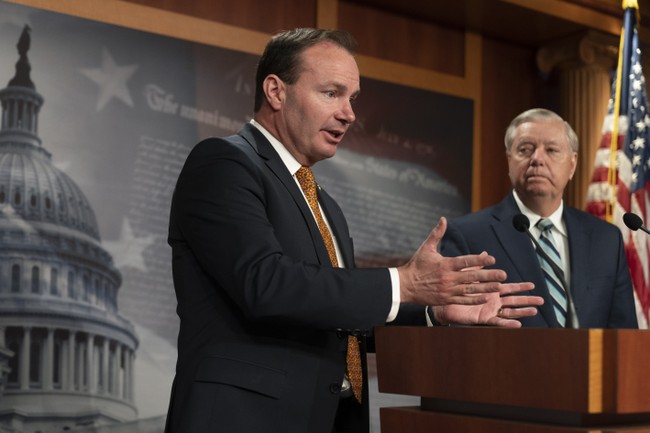
The bill was introduced by Republican senators Shelley Moore Capito and Mike Lee and Democratic senators Martin Heinrich and Sheldon Whitehouse. A revised version was released on November 7 following feedback. Changes include added tribal consultation requirements, a greater role for states in transmission planning and utility oversight, revisions for electric co-ops and publicly owned power providers, and a Department of Energy program to help communities address data-center impacts.
The proposal covers environmental reviews, energy permitting, transmission and historic preservation. Supporters argue that more predictable approvals could help projects proceed and ease pressure on electricity costs. In the West, backers point to rising power bills, proposed data-center development and the need for more transmission and energy supply. The bill would also require data centers to pay a fair share of grid costs associated with their demand.
Conservation organizations and several Western tribal nations contend the legislation could make it harder to challenge projects they consider problematic. Some Democrats have called for postponing a decision until their party regains control of Congress in January. Sponsors say the revisions respond to concerns, including the need for stronger tribal consultation and protection for households from grid costs driven by large data centers.
The bill’s supporters say it preserves the right to challenge projects that violate the law. Even if enacted, it would not guarantee immediate reductions in household bills, which also depend on financing, construction, fuel prices and utility and state decisions.
Permitting Deal Risks Weakening Project Challenges
A fast-moving Senate vote on November 9 would advance a permitting bill that conservation organizations and several Western tribal nations contend could make it harder to challenge questionable projects. The legislation’s backers are pressing to move it through Congress before January, while some Democrats argue lawmakers should wait for the next Congress rather than settle for this deal.
The Bipartisan American Affordability and Jobs Act would change federal approvals for energy and infrastructure projects, including rules for environmental reviews, transmission and historic preservation. Its revised version, released November 7, adds tribal consultation requirements and changes to state roles in transmission planning and utility oversight. Those revisions matter, but the bill’s critics continue to raise concerns involving tribal self-rule, heritage sites, public lands and statutory safeguards.
The bill’s authors—Capito and Lee among Republicans, with Heinrich and Whitehouse among Democrats—say the measure could support investment and lower costs. It would also require data centers to pay a fair share of grid costs tied to their electricity demand. Those protections address one affordability concern, but do not erase the stakes of making federal project approvals faster.
Supporters cite rising Western power bills, new electricity demand and the need for transmission. But faster decisions are not automatically better decisions if communities have less leverage to contest projects that threaten their interests. Congress should treat meaningful consultation and the ability to challenge unlawful projects as central safeguards, not obstacles to clear on the way to a vote.
Delaying Permitting Reform Leaves Families Paying More
The Senate has a chance on November 9 to advance permitting reform while families face rising electricity costs and the West confronts growing demand. The bipartisan American Affordability and Jobs Act would help make federal approvals more predictable; shelving it until January, as some Democrats want, risks losing time when the region needs more power and transmission.
Republicans Shelley Moore Capito and Mike Lee joined Democrats Martin Heinrich and Sheldon Whitehouse in writing the bill. A revised version released November 7 adds tribal consultation requirements and includes protections intended to keep households from paying grid-upgrade costs driven by large data centers. The legislation also addresses environmental reviews, transmission, energy permitting and historic preservation.
The West has more than 100 proposed data centers, while utilities in the region have sought $6.5 billion in rate increases this year, the bill’s supporters say. They argue that faster, clearer approvals could help develop geothermal resources and transmission links that bring power to customers. The proposal would require data centers to pay a fair share for grid costs associated with their demand.
Environmental groups and some Western tribal nations warn the bill could make it harder to challenge projects. Those concerns deserve attention, but should be met with targeted protections rather than open-ended delay. A permitting system should allow communities to raise legitimate objections while giving sound projects a path to a timely decision. Advancing the bill would not guarantee lower bills, but supporters say it could help address the supply and infrastructure constraints behind them.
Reported by PJ Media, Deseret News.