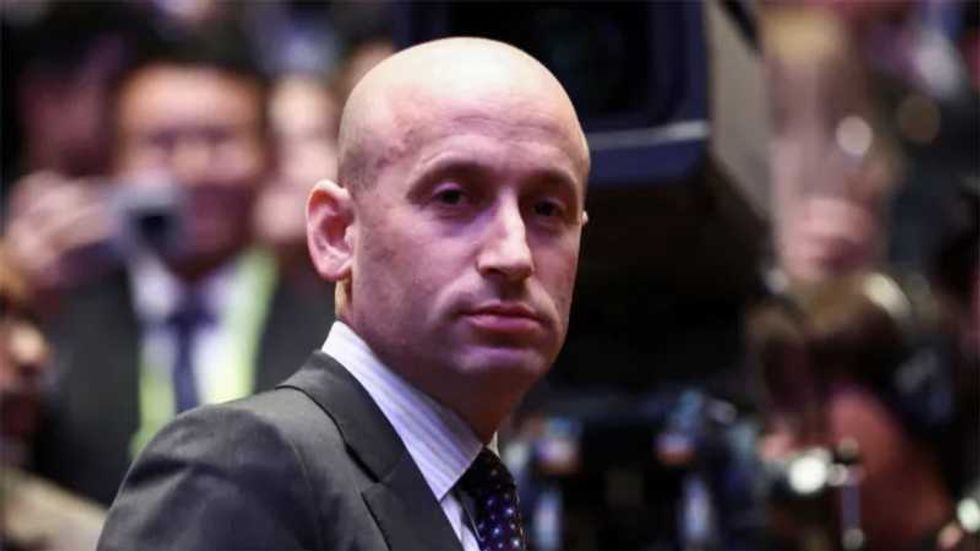
Miller Backed Arrests to Pressure Journalists Over Sources
The White House and Justice Department have discussed pursuing criminal leak investigations on national-security grounds, including the possibility of arresting journalists to force them to identify confidential sources, three people familiar with the discussions said. Two said Susie Wiles pushed back, while Stephen Miller supported the idea and argued journalists would quickly disclose their sources.
A Justice Department spokesperson called the account false but declined to provide further detail. A White House representative said illicit disclosures would not be tolerated and those responsible should be held accountable.
The discussions come as Wiles prepares to leave her chief of staff role and Miller is set to take over. One person familiar with President Donald Trump’s decision said he wanted a chief of staff who would act forcefully and would not restrain him. Wiles’s departure followed Trump’s anger over a news story that included leaked remarks from his political team.
The administration has also taken steps to identify journalists’ sources. The FBI seized devices from a Washington Post reporter’s home in January, but a judge later barred the government from examining their data. In June, prosecutors sought testimony from four journalists; the subpoenas were shelved after the publications objected. In July, the Justice Department withdrew subpoenas for three New York Times journalists and sought phone records after a judge criticized its legal work.
At a Mar-a-Lago event on November 7, Miller pledged loyalty and commitment to Trump. He also holds frequent calls with officials involved in the administration’s immigration enforcement effort, where he has berated staff, officials on the calls said.
Miller’s Push to Arrest Journalists Threatens Press Freedom
The prospect of arresting journalists to expose their sources is a direct threat to press freedom. Three people familiar with White House and Justice Department discussions said officials considered arrests as a way to compel disclosures in criminal leak investigations. Two said outgoing chief of staff Susie Wiles resisted the approach, while incoming chief of staff Stephen Miller backed it.
The Justice Department called the account false without elaborating. The White House said unauthorized leaks would not be tolerated and those responsible should face accountability. But the administration’s own recent actions heighten the stakes: the FBI seized devices from a Washington Post reporter, prosecutors sought testimony from four journalists, and the Justice Department subpoenaed three New York Times journalists and sought phone records. Those efforts were later blocked, shelved or withdrawn.
Miller’s ascent follows Wiles’s departure and Trump’s desire for a chief of staff who will not restrain him. The reported push to use arrests against reporters signals a harder line against scrutiny precisely as Miller takes charge. A judge barred examination of the seized devices, publications challenged subpoenas, and a federal judge criticized the legal work behind the Times subpoenas. Those safeguards matter when government power is turned toward confidential sources.
Leak Crackdown Puts Government Accountability at Stake
A government cannot simply shrug off unauthorized leaks involving national security. The White House says leaks will not be tolerated and those responsible must be held accountable; people familiar with discussions say officials considered criminal investigations and even arrests as a way to identify sources. That is a consequential escalation, and the Justice Department called the account false without offering details.
Two people said Susie Wiles pushed back against the arrest idea, while incoming chief of staff Stephen Miller supported it. President Donald Trump has said he wants a forceful aide who will not rein him in, and Miller has pledged loyalty to the president. The change in leadership puts a more aggressive approach to leaks at the center of the White House’s next chapter.
The administration’s earlier efforts show the conflict: the FBI seized devices from a Washington Post reporter, prosecutors sought testimony from four journalists, and the Justice Department subpoenaed three New York Times journalists and sought phone records. A judge barred examination of the seized data, the first subpoenas were shelved after publications objected, and the Times subpoenas were withdrawn after a judge criticized the legal work. Protecting legitimate national-security information matters, but the methods must withstand legal scrutiny.
Reported by Raw Story, The Daily Beast.