Prediction Markets Draw Billions During Midterm Elections
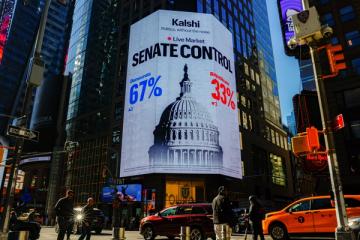
Kalshi, a platform where users can trade contracts tied to future events, drew $2.5 billion in wagers on the 2026 midterm elections. The figure made prediction markets a major beneficiary of the election season, alongside the political campaigns and advertising that drew billions in spending.
Election Betting Is No Substitute for Reliable Public Information
Kalshi’s $2.5 billion in midterm wagers shows how quickly election betting has become a force in American politics. Its markets pointed to the eventual winner in 98% of tracked federal contests, but even an impressive record does not resolve concerns about election contracts that have drawn warnings from senators and legal challenges from states.
Markets can add another signal alongside polling, forecasting and reporting. But turning political outcomes into wagers is not the same as strengthening democratic debate, and the strong accuracy figures cited by advocates should not end scrutiny of the practice.
The case for access is that markets can reward people for finding and weighing useful information. The case for caution is that their influence is growing as public officials and states question whether election betting should be allowed. That debate should not be brushed aside simply because a market performed well in one election.
Prediction Markets Cut Through Midterm Campaign Spin
Campaigns, political action committees and media outlets spent billions trying to shape voters’ views during the midterms. Prediction markets offered a different test: traders had to back their forecasts with money. Kalshi took $2.5 billion in election wagers, and its markets had the eventual winner ahead in 98% of tracked federal contests.
That record strengthens the case for markets as a useful check on campaign claims and pundit certainty. Prices can distill information into a forecast, and the underlying studies cited by advocates found that market prices tended to track how often events occurred.
Yet senators have warned about election contracts, and states have moved to sue or ban them. Those objections risk shutting down a tool that can help people judge political claims by more than rhetoric. Markets are not perfect, but the evidence presented by their supporters makes a strong case for letting them contribute to election analysis.
Reported by The Washington Examiner, Fox News.