El-Sayed Launches Leadership PAC After Senate Win
Abdul El-Sayed has established Habibi PAC, a leadership political action committee that can raise money for other candidates. A Federal Election Commission filing made the committee official on November 5, days after El-Sayed defeated Republican Mike Rogers in Michigan’s Senate election.
Unlike a campaign committee, the PAC is not connected to El-Sayed’s Senate campaign. Its creation signals that he may seek a continuing role in Democratic politics by supporting political allies, though no specific candidates or plans were identified.
“Habibi” is an Arabic term of endearment that means “my beloved.” El-Sayed used the word during his campaign and in his victory speech, addressing Vice President JD Vance as “habibi” while referring to Vance’s constitutional role in swearing him in when the Senate convenes in January.
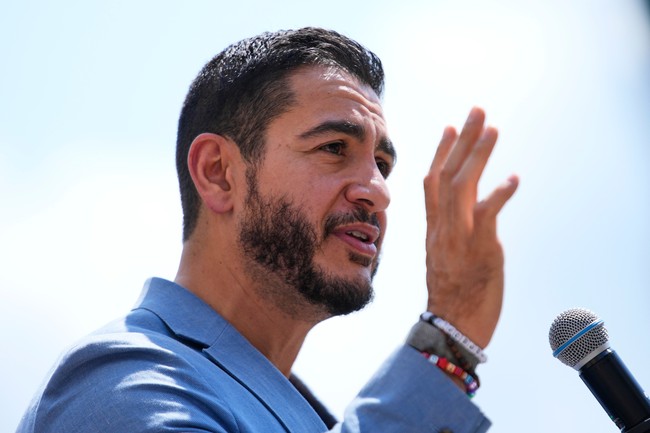
The PAC’s name echoes a phrase that became part of El-Sayed’s public campaign identity: supporters wore “Habibi for Abdul” shirts on the trail. Its launch follows a closely watched race in which El-Sayed won against Rogers, despite substantial spending by the American Israel Public Affairs Committee and tensions involving Democratic Representative Haley Stevens.
El-Sayed’s Habibi PAC Extends a Senate Victory Into Democratic Politics
Abdul El-Sayed is turning his Michigan Senate victory into a platform for backing other candidates. His new leadership PAC, Habibi PAC, became official on November 5 and can raise money for political allies, extending his influence beyond his own campaign.
The committee’s launch follows a race in which El-Sayed overcame substantial spending by the American Israel Public Affairs Committee and a last-minute break with Democratic Representative Haley Stevens. His victory also came amid what his campaign described as bigotry and Islamophobia. The PAC offers a way to support candidates while remaining separate from his Senate campaign.
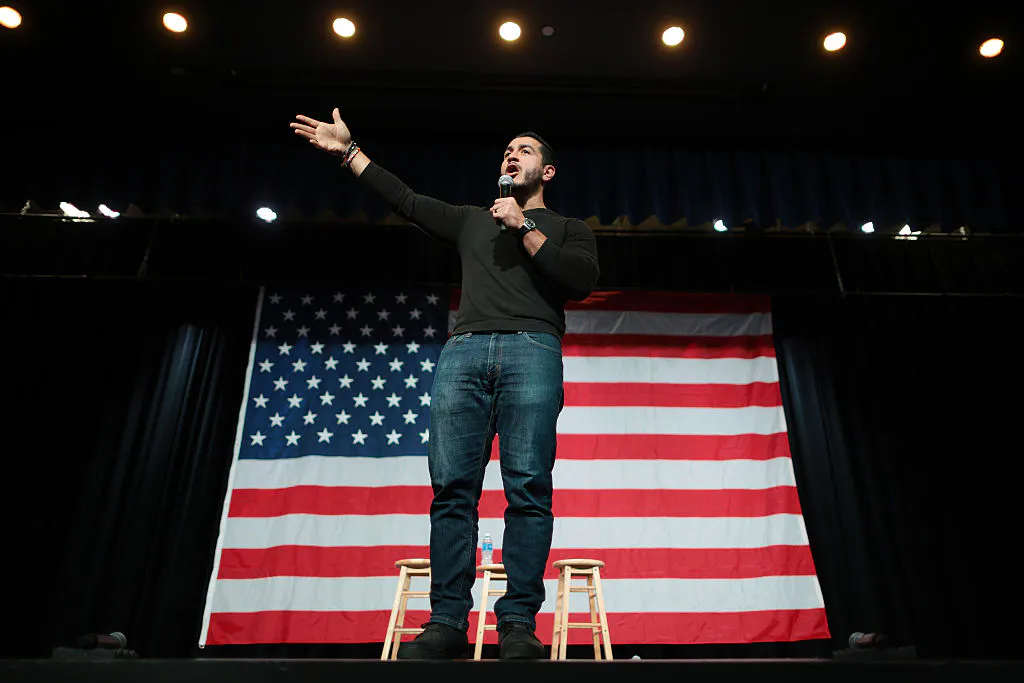
Its name draws on “habibi,” an Arabic term of endearment El-Sayed used throughout the campaign. Supporters wore “Habibi for Abdul” shirts, and in his victory speech he used the word while addressing Vice President JD Vance, who is constitutionally required to swear him in this January.
For Democrats, the new committee is a sign that El-Sayed intends to help shape the party’s future. Its launch also underscores the role money plays in politics: a leadership PAC can help candidates, even as campaigns debate the influence of outside spending.
El-Sayed’s New PAC Puts More Political Money Behind His Allies
Abdul El-Sayed campaigned on getting money out of politics. Days after winning Michigan’s Senate race, he launched Habibi PAC, a leadership committee that can raise funds for other candidates. The committee is separate from his campaign, but its purpose is to direct money into future political contests.
That tension deserves scrutiny. El-Sayed’s election followed significant spending by the American Israel Public Affairs Committee and other political activity, while his new PAC gives him a means to support allies. The filing does not identify candidates the committee will back, but its creation points to an ongoing effort to influence Democratic politics.
The PAC’s name uses “habibi,” an Arabic term of endearment El-Sayed made prominent during his campaign. Supporters wore “Habibi for Abdul” shirts, and he used the word to address Vice President JD Vance while celebrating his election win, referring to Vance’s duty to swear him in this January.
The central question is whether a politician who speaks against money’s influence in politics will use a fundraising committee differently from the system he criticized. The committee’s launch makes El-Sayed’s future role—and how he uses the PAC—an issue to watch.
Reported by The New Republic, PJ Media.