October Hiring Rebounds as AI Reshapes White-Collar Work
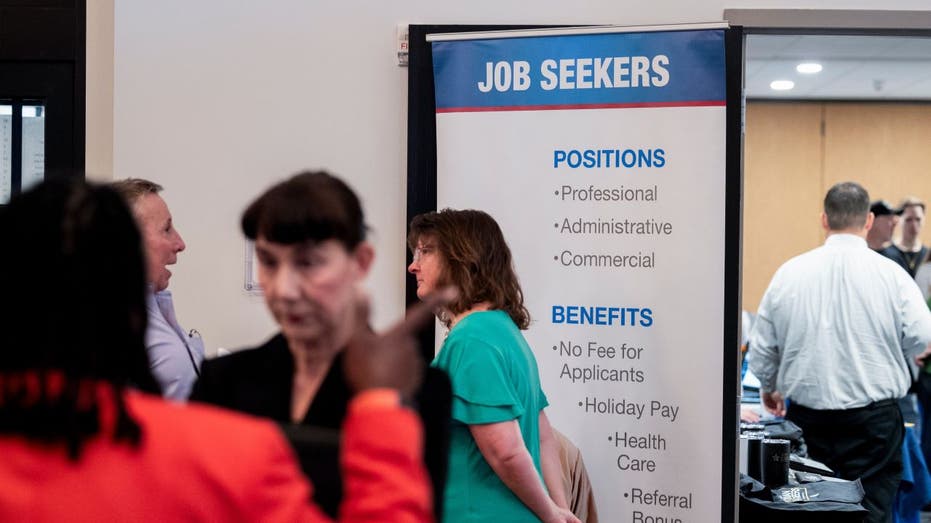
The U.S. labor market strengthened in October, with employers adding 165,000 jobs and the unemployment rate falling to 4.1%. Revised data showed 84,000 more positions across the two earlier months, and average hourly earnings were 3.1% higher than a year earlier. Labor force participation also rose.
Professional and business services added 70,000 jobs, far above its average monthly increase of 15,000 over the past year. Administrative assistant hiring also increased. Temporary help services added 18,600 jobs after losing 5,600 in September, a pattern that may indicate employers are taking on work without committing to permanent hires.
Economists cautioned against treating one month’s figures as proof that AI is creating or eliminating jobs. Employers may increasingly seek AI familiarity and skills such as critical thinking, while changing requirements could bring more turnover. The sector’s growth remains below its long-term trend, and high interest rates and shifts in demand may also help explain weakness in some white-collar fields. The information sector has continued to shed jobs, and Microsoft recently offered buyouts to tens of thousands of employees.
Healthcare added about 42,000 jobs, manufacturing gained 19,000, and transportation and warehousing added about 25,000, with couriers and messengers accounting for most of that increase. Construction still lost jobs despite demand from data-center projects; gains among electricians and other specialty contractors did not offset losses elsewhere.
The report also landed amid disputes over the scale and consequences of AI investment. Data-center construction is supporting some employment, while concerns about possible restrictions have unsettled investors. Economists and business advocates differ on the outlook, and some warn that the durability of the AI boom and its employment effects remain uncertain.
AI’s Job Gains Don’t Settle the Risks of a Rapid Buildout
October’s job gains are welcome, but they are no reason to treat an AI-driven boom as a guarantee of secure work. Employers added 165,000 jobs and unemployment fell to 4.1%, while professional and business services gained 70,000. Yet that sector remains below its long-term trend, and the information industry has been cutting jobs since late 2022.
The figures do not establish that AI is responsible for those losses—or that it will create lasting prosperity. High interest rates and post-pandemic shifts in demand may also be at work. Microsoft has offered buyouts to tens of thousands of employees, and economists warn that changing skill requirements could bring volatility. Some signs point to pressure on entry-level jobs, even as the causes remain contested.
Data-center construction supports some work, but construction overall still shed jobs in October. That complicates claims that the buildout is already delivering broad employment gains. Healthcare added about 42,000 jobs, manufacturing 19,000, and transportation and warehousing about 25,000.
The policy stakes are real: data-center spending is powering investment, but proposals to restrain construction have become a point of political conflict. A strong month does not resolve whether the AI boom’s gains will endure or how its costs will be distributed. Decisions about the buildout should not be made on the assumption that investment alone guarantees workers a better future.
October’s Hiring Rebound Shows Why AI Investment Matters
October’s hiring rebound is a reminder that AI investment is not simply a threat to jobs: employers added 165,000 positions, unemployment fell to 4.1%, and earlier job estimates rose by 84,000. Professional and business services gained 70,000 jobs, while healthcare, manufacturing, and transportation and warehousing also grew.
The data-center buildout is helping support construction employment, even though the sector lost jobs overall. Spending tied to AI has contributed substantially to business investment, and advocates say data-center projects are putting Americans to work. Proposals to curb construction risk weakening one of the economy’s important sources of growth just as the labor market is improving.
There are genuine uncertainties. White-collar gains have been weak over several years, the information sector has continued to lose jobs, and Microsoft has offered buyouts to tens of thousands of employees. But economists caution that AI is not the only possible explanation: high interest rates and changing demand also matter. One report cannot prove that AI is either wiping out jobs or ensuring new ones.
The appropriate response is to recognize the opportunity without pretending every effect is settled. October’s results show employment gains alongside continued investment and changing job requirements. Policies that create uncertainty around data-center construction could slow that momentum, while the figures themselves offer no basis for claiming that the AI buildout has already produced a broad jobs collapse.
Reported by Business Insider, PJ Media.