October Jobs Report Expected to Show Modest Hiring Rebound
The October jobs report is expected to show a rebound from September’s 29,000 new jobs, but hiring is still forecast to remain modest. Two surveys of economists put expected job growth at 59,000 and 65,000. Both project an unemployment rate of 4.2%. The Labor Department is scheduled to publish the figures on November 6.
The report arrives amid voter frustration over the cost of living. In Tuesday’s elections, Democrats won control of Congress, and voters ranked the economy as their top issue. Inflation reached 3.7% in September, while average hourly earnings, after accounting for price increases, fell 0.7% over the year. One forecast puts annual wage growth at 2.9%, below the latest inflation rate.
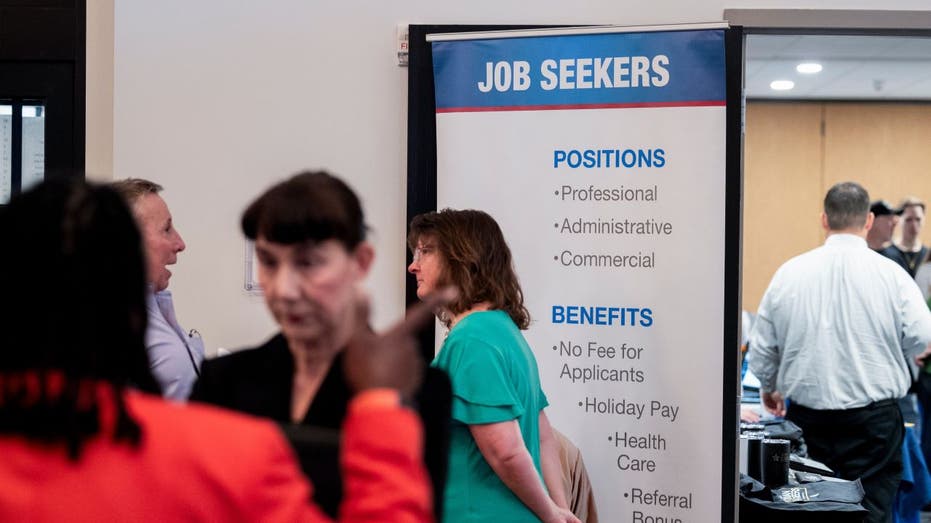
Hiring has improved from last year but remains far below the pace of 2023 and 2024. Employers have created roughly 68,000 positions monthly this year, compared with 9,700 a month in 2025, according to one account. Economists describe a labor market where businesses are holding on to current staff but are cautious about adding new workers, leaving job seekers with fewer openings.
Artificial intelligence investment may support hiring in construction and manufacturing as companies build data centers and produce related equipment. September saw 11,000 more construction jobs and 9,000 more manufacturing jobs. But AI spending could also curb hiring if companies use automation or direct money toward technology instead of workers. Higher interest rates and trade tariffs are additional pressures.
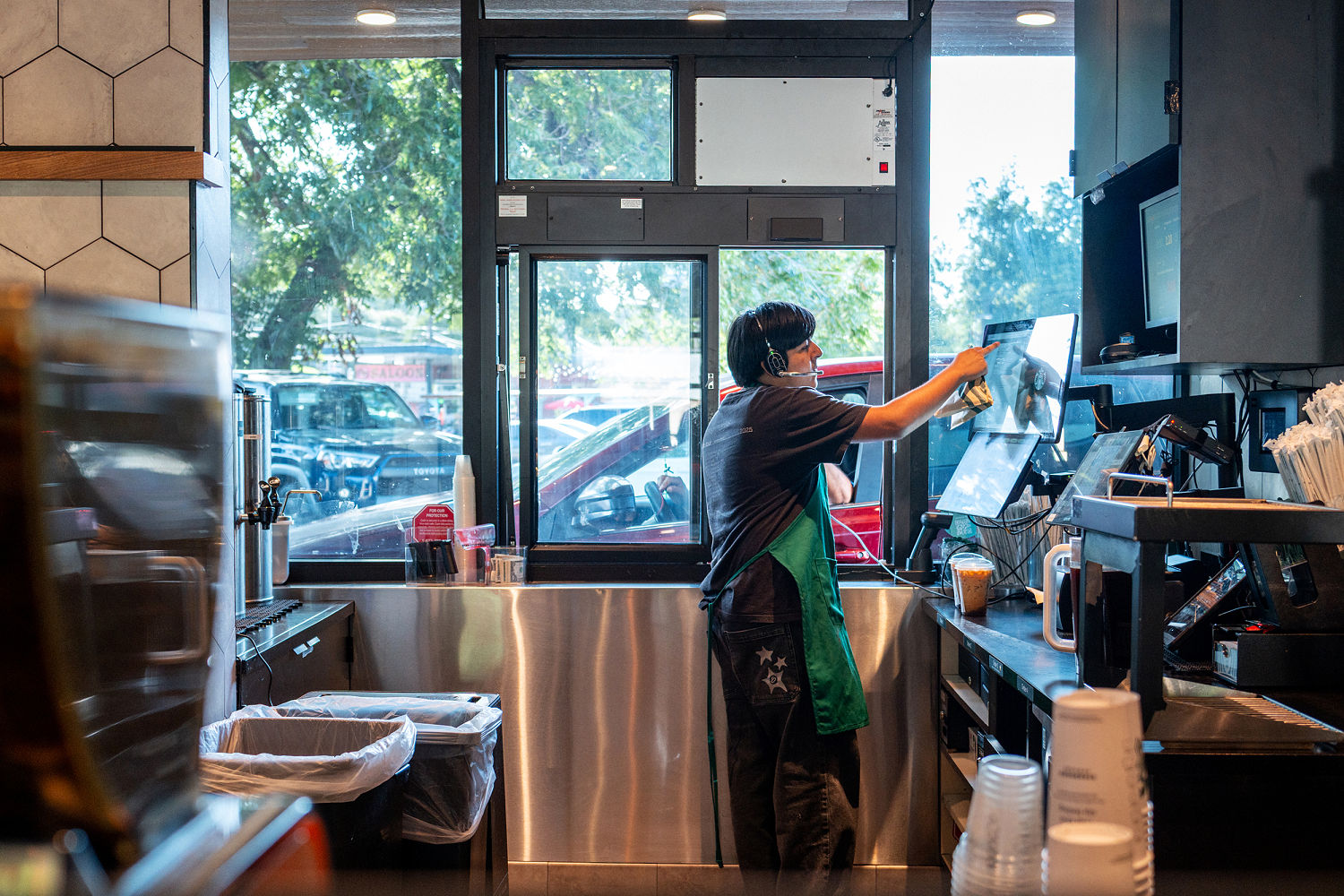
Seasonal hiring has started strongly, though some retailers are relying on existing staff, automation and on-demand workers rather than adding new seasonal employees. The October figures will offer a clearer picture of whether holiday hiring is lifting the broader labor market.
Weak Paychecks Put Jobs Report at Center of Economic Discontent
The October jobs report is expected to underscore why voters made the economy their top concern: a small hiring rebound does not mean workers are getting ahead. Forecasts call for 59,000 to 65,000 new jobs and an unemployment rate of 4.2%, but September’s inflation-adjusted hourly earnings were down 0.7% from a year earlier.
Democrats’ election gains and plans to pause or block some data-center projects put a spotlight on who benefits from the AI boom. Technology companies are investing heavily in AI and data centers, yet workers remain anxious about what the technology will mean for jobs. The spending may create construction and manufacturing work, but AI adoption could also reduce hiring or divert money from payrolls.
The broader labor market remains a difficult place for job seekers. Hiring has recovered from 2025’s near-stagnation, but is far below the pace of recent stronger years. Businesses are reluctant to shed current workers and equally hesitant to bring in new ones. Young people entering the workforce and people who have lost jobs can struggle to find openings.
A strong start to seasonal hiring may offer some support, although retailers are also turning to automation and existing staff. The report will show whether that activity is translating into broader job growth. With wages trailing prices, a modest increase in payrolls alone offers little assurance that households are feeling relief.
Jobs Report Will Test Whether Growth Can Outrun Economic Headwinds
The coming jobs report will test whether businesses can keep hiring despite high interest rates, tariffs and uncertainty. Economists expect a rebound from September’s 29,000 jobs, with forecasts ranging from 59,000 to 65,000. The unemployment rate is expected to remain at 4.2%.
The economy has continued to grow, with output advancing at a 3.4% annual pace in the third quarter, supported by consumer spending and AI investment. Data-center construction and production of AI equipment could sustain jobs in construction and manufacturing. Seasonal hiring has also started more strongly than in several recent years, offering another potential source of work.
But the risks are real. Higher rates can weigh on construction and manufacturing, while tariffs continue to move through supply chains. Employers may also rely on automation, current staff and on-demand workers instead of bringing on new seasonal employees. AI investment could support employment, but adopting the technology may also leave less money available for hiring.
Hiring is stronger than last year, when monthly job creation averaged just 9,700, but remains below the pace of 2023 and 2024. The report will show whether the rebound is gaining traction or whether businesses are still holding back. A durable labor market depends on employers continuing to create opportunities, not just keeping existing workers.
Reported by NBC News, The Philadelphia Inquirer.