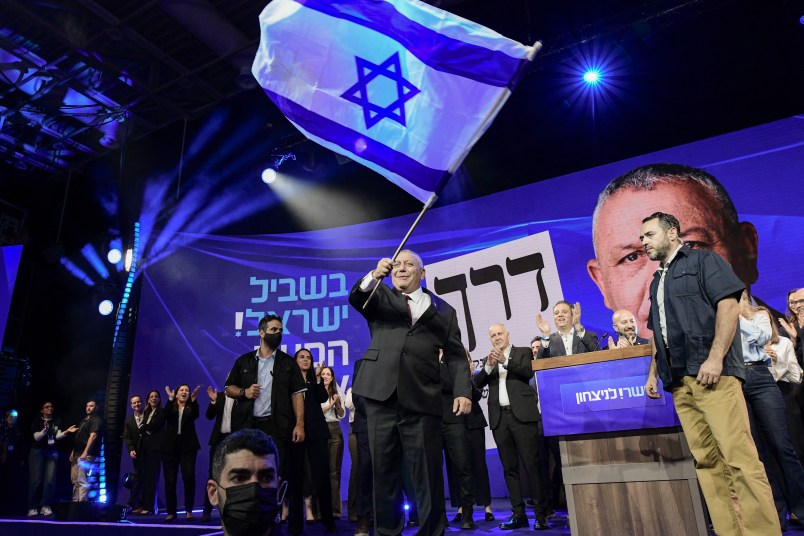
Netanyahu Bloc Leads as Israeli Vote Count Continues
With 86% of votes counted on October 28, the bloc supporting Benjamin Netanyahu held 53 seats, compared with 48 for the opposing “change” bloc. Two Arab parties together had 19 seats. The Netanyahu bloc’s lead had narrowed as counting progressed, and could shrink by another seat or two if that trend continued.
Exit polls had initially put the change bloc ahead, 52 seats to 50, and projected 18 or 19 seats for the two Arab parties. Later projections shifted toward Netanyahu’s bloc. Likud officials said he had been underestimated and predicted his bloc could win more than 60 seats, potentially a majority.
A breakdown of Jewish voters by socioeconomic status showed 96.7% of those in the lowest tenth voting for Likud or aligned parties. Among the wealthiest tenth, 80.9% voted for opposition parties.
The campaign focused largely on issues beyond ordinary economic policy, including whether ultra-Orthodox men should be conscripted, responses to pressure for a Palestinian state, the conflicts affecting Gaza, Lebanon and Iran, and responsibility for the October 7 attacks. Voters raised the cost of living with pollsters, while major parties gave the issue relatively little attention.
Netanyahu’s support was described as stronger among more religious, poorer and less-educated voters, including many Israelis of North African or Middle Eastern descent. Opposition support was stronger among wealthier, more secular and better-educated voters, often in Tel Aviv or Haifa. The count was still underway, and the final seat totals could change.
Israeli Vote Shows Deep Divisions Beneath Netanyahu’s Lead
The count on October 28 put Benjamin Netanyahu’s bloc at 53 seats, five ahead of the “change” bloc, with two Arab parties holding 19. Its lead had receded as votes were counted, after exit polls initially gave the change bloc a narrow advantage. Likud officials had meanwhile forecast more than 60 seats for Netanyahu’s side.
The social divide in the Jewish vote was pronounced: 96.7% of voters in the lowest socioeconomic tenth supported Likud and aligned parties, while 80.9% of the highest tenth backed opposition parties. Netanyahu’s coalition drew more support from poorer, more religious and less-educated voters; opposition support was stronger among wealthier, more secular and better-educated Israelis.
The campaign centered on issues including conscription of ultra-Orthodox men, Palestinian statehood, the fighting involving Gaza, Lebanon and Iran, and blame for the October 7 attacks. Although voters raised living costs with pollsters, major parties devoted limited attention to the issue.
That contrast leaves a basic economic concern largely outside the campaign’s main debate, even as voting divides track income and social position. The count remained incomplete, with the Netanyahu bloc’s seat tally potentially still moving lower.
Netanyahu’s Support Reflects Israel’s Overlooked Social Divide
With 86% of votes counted on October 28, Benjamin Netanyahu’s bloc held 53 seats, against 48 for the “change” bloc; two Arab parties together had 19. The bloc’s lead had fallen during counting, despite earlier Likud predictions that it could win more than 60 seats.
The Jewish vote showed a striking socioeconomic pattern: 96.7% of voters in the bottom tenth supported Likud or aligned parties, while 80.9% in the top tenth voted for opposition parties. Netanyahu’s base was described as disproportionately poorer, more religious, less-educated and of North African or Middle Eastern descent. Opposition voters were more often wealthier, secular and better-educated.
The election focused on conscription of ultra-Orthodox men, resistance to outside pressure for a Palestinian state, the fighting involving Gaza, Lebanon and Iran, and responsibility for October 7. Voters also raised the cost of living, but major parties spoke little about it.
The results point to a contest shaped by more than pocketbook concerns: groups that have felt historically marginalized may see an opposition victory as a threat to their standing. Gadi Eisenkot was born to parents who immigrated from Morocco, but that family history played little role in the campaign. The final seat count could still shift as ballots are tallied.
Reported by Talking Points Memo, Reason, The American Prospect.




