Collins Blames Trump Backlash for Maine Senate Loss
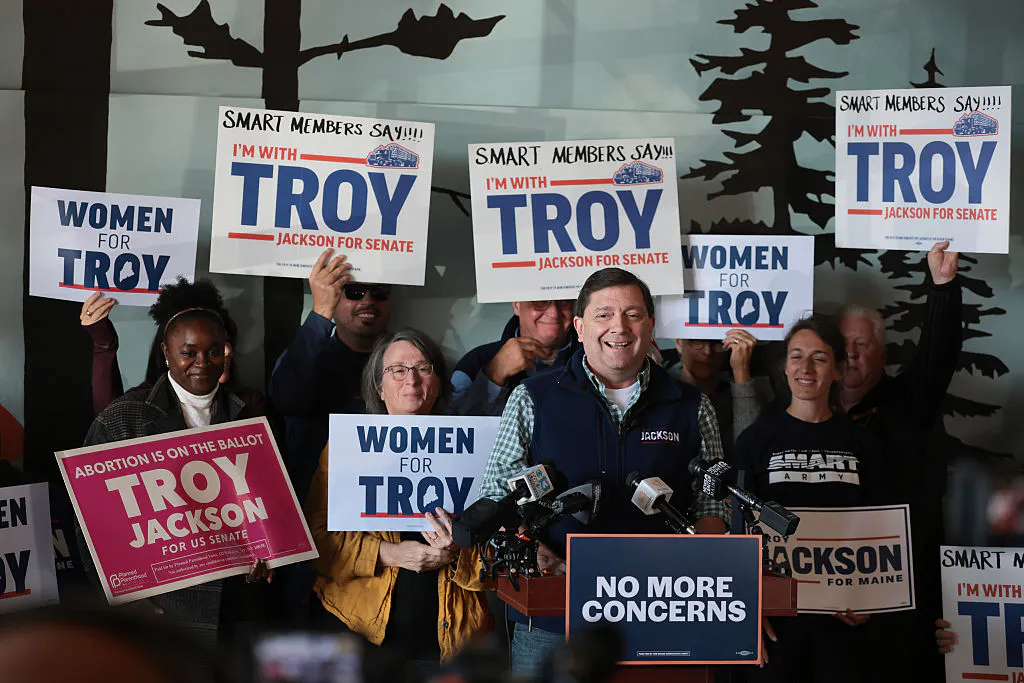
After five Senate terms, Susan Collins lost her Maine seat to Democrat Troy Jackson in the November 3 midterms. In an interview after the defeat, the Republican said she had been swept up in a broader backlash against Trump and that voters failed to credit her for opposing him at key moments.
Voters Reject Collins Despite Her Claims of Independence
Maine voters ended Susan Collins’ five-term Senate career on November 3, choosing Democrat Troy Jackson over a Republican who insisted she had done enough to oppose President Donald Trump. Collins said voters ignored her decision to find Trump guilty during his second impeachment proceeding, but her claim of independence could not erase her pivotal role in advancing parts of his agenda.
Collins cast a key ballot supporting Brett Kavanaugh’s appointment to the Supreme Court in 2018 and helped move forward debate on Trump’s Medicaid-cutting bill, even though she opposed it on final passage. Voters who had supported her before said they would not do so this time; one cited her many votes with Trump.
The election unfolded amid opposition to Trump’s second-term policies, including the Iran war, tariffs on Canada and an immigration crackdown. In Maine, high fuel costs hit a state reliant on home heating oil, while a fatal shooting by federal agents became part of the immigration debate. Collins said she had emphasized her differences with Trump on these issues and on cuts to the safety net.
Her defeat shows the limits of claiming independence while helping advance a president’s priorities. Collins said one longtime supporter told her that voting against her was the only way to send Trump a message.
Maine Voters Sweep Out Collins in Trump Backlash
Maine voters swept Susan Collins out of the Senate on November 3, costing Republicans a longtime incumbent who had built cross-party support in a Democratic-leaning state. Collins said she was caught in a backlash against President Donald Trump and complained that voters discounted her vote to convict him in his second impeachment trial.
Collins said she had stood apart from Trump on the Iran war, tariffs, immigration and safety-net cuts. Her defeat came as his second-term policies faced voter anger, with high fuel prices especially pressing where households depend on oil for heat. The deadly gunfire involving federal officers in Maine also figured in the immigration debate.
The loss reflects how difficult it was for a Republican incumbent to withstand the political damage of an unpopular president’s agenda. Collins had highlighted her chairmanship of the Senate Appropriations Committee and her breaks with Trump, but those arguments did not persuade enough voters. One longtime supporter told her she could not vote for her as a way to send Trump a message.
Collins compared her defeat to that of her role model, former Maine Republican Sen. Margaret Chase Smith, who lost reelection in 1972. Jackson, who replaced Democratic primary winner Graham Platner after Platner withdrew, now takes the seat.
Reported by The Daily Beast, Raw Story, Daily Kos.