Trump Appeals New York Hush Money Conviction
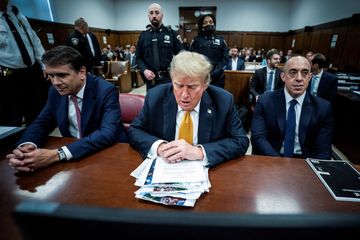
A five-judge panel of New York’s Appellate Division is scheduled to hear arguments on November 5 in President Donald Trump’s effort to reverse his 2024 criminal conviction. Trump is not expected to attend. His lawyers say the case was politically driven and that the trial judge made legal errors; prosecutors say the conviction should stand.
The jury found Trump guilty of 34 felony counts of falsifying business records. The charges concerned reimbursements to his then-lawyer Michael Cohen for a $130,000 fee to adult movie star Stormy Daniels before the 2016 election. Prosecutors said the records concealed the payment’s purpose and that the conduct was intended to keep damaging information from voters. Trump has denied wrongdoing and says no sexual encounter took place.
On appeal, Trump’s lawyers challenge the prosecution’s legal theory, the evidence and the jury instructions. They also argue that testimony and material about Trump’s first-term White House activity should have been protected by presidential immunity. Their filings further contend that the trial judge should have recused himself and that prosecutors misused New York law.
Manhattan District Attorney Alvin Bragg’s office argues the charges and instructions were proper. Prosecutors say the disputed White House material concerned unofficial conduct and that substantial evidence supporting the conviction was unaffected by the immunity arguments.
Trump received an unconditional discharge after his 2024 election victory, leaving the conviction in place without further punishment. He is also appealing a federal judge’s decision not to move the case to federal court and dismiss it; arguments in that appeal are scheduled for November 16.
Trump’s Conviction Faces Appeal After Jury Found Him Guilty
A jury convicted Donald Trump of falsifying business records tied to a $130,000 payment to Stormy Daniels before the 2016 election. On November 5, a New York appeals court will hear Trump’s effort to undo that verdict, with Manhattan prosecutors arguing that the conviction was lawful and should remain in place.
Trump’s lawyers describe the prosecution as politically motivated and challenge the legal theory, trial evidence and jury instructions. They also contend that material about his first-term White House activity should have been shielded by presidential immunity. The appeal puts those claims against prosecutors’ position that the evidence concerned unofficial conduct and that extensive evidence still supports the jury’s decision.
The case concerned reimbursements to Trump’s then-lawyer Michael Cohen, which prosecutors said were recorded to hide the payment’s purpose and keep damaging information from voters. Trump denies wrongdoing and says no sexual encounter took place. He was not punished beyond an unconditional discharge after winning the 2024 election, but the conviction remains.
The appeal is a test of Trump’s attempt to use presidential immunity and other legal arguments to overturn a jury verdict. His lawyers also say the trial judge should have recused himself and that New York law was improperly applied. Prosecutors reject those claims. A separate appeal over moving the case to federal court is scheduled for arguments on November 16.
Trump Challenges Politically Charged New York Conviction
Trump’s appeal puts the political context of his New York prosecution squarely before a five-judge panel. His lawyers argue that a Democratic district attorney pursued an unprecedented case against a leading Republican presidential candidate and built felony charges on a flawed legal theory. The court is scheduled to hear arguments on November 5.
The conviction arose from reimbursements to Trump’s then-lawyer Michael Cohen for a $130,000 payment to Stormy Daniels before the 2016 election. A jury found Trump guilty of 34 counts of falsifying business records. Trump denies wrongdoing, and his lawyers say the payments were legal expenses and that the trial judge made errors in handling the case.
The defense also challenges testimony and other material about Trump’s first-term White House activity, saying presidential immunity should have applied. It argues as well that the judge should have stepped aside and prosecutors improperly used New York law. Those claims raise questions about whether the prosecution’s approach and the trial’s handling of presidential conduct were fair.
Manhattan prosecutors say the conduct at issue was unofficial, the legal theory and jury instructions were valid, and ample evidence supports the verdict. Trump received an unconditional discharge after his 2024 election win, but continues to seek reversal. A separate appeal over moving the case to federal court is set for arguments on November 16.
Reported by The Philadelphia Inquirer, ABC News, CBS News, The Guardian US.