Trump Lawyers Challenge Judge’s Ruling After His Death
On October 29, President Donald Trump’s lawyers asked the federal appellate court for the Second Circuit to overturn Judge Alvin Hellerstein’s rejection of Trump’s effort to move his New York criminal case from state to federal court. Hellerstein died on October 28, aged 92. The 43-page filing did not refer to his death and criticized his handling of the case.
Trump’s attorneys argue that a Supreme Court ruling on presidential immunity in July 2024 changed the law and gave him grounds to seek a federal forum. They say the prosecution concerns presidential conduct and that Trump has a viable federal defense. Hellerstein rejected the transfer request in September 2024 and again after the appeals court sent the issue back for reconsideration.
The lawyers dispute prosecutors’ position that Trump waited too long and gave up the right to seek removal by continuing to litigate in state court. They say he had to contest the case there to avoid possible sentencing and incarceration. The filing also challenges the view that the advanced stage of the state proceedings weighs against a transfer, and faults the district court for taking 10 months to rule after the appeals court’s remand in November 2025.
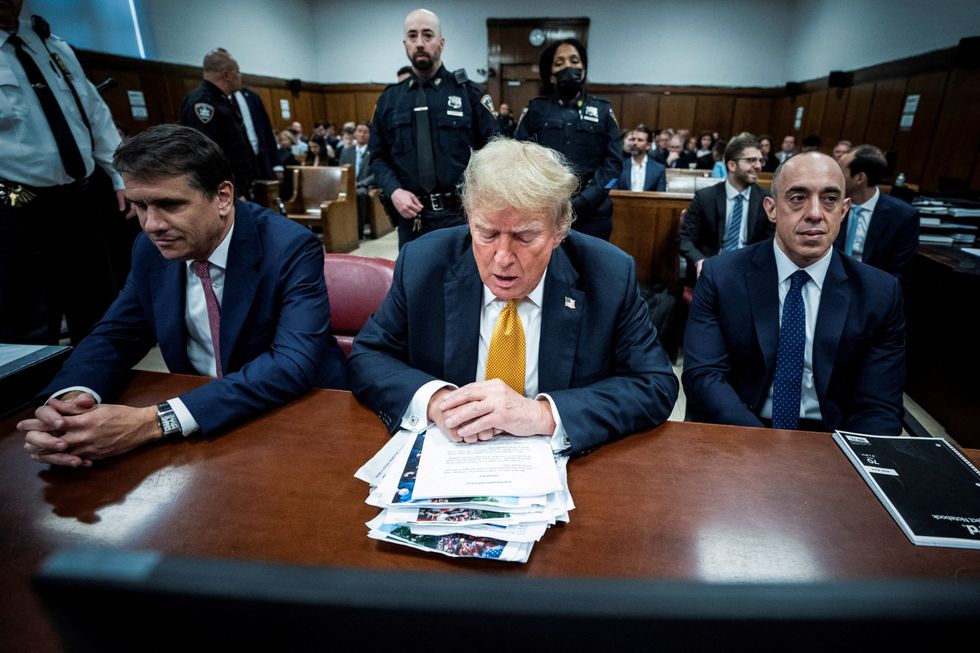
Trump’s team wants the appeals court to reverse Hellerstein’s order and direct that the case be transferred. A Manhattan jury convicted Trump in May 2024 of 34 felony counts of falsifying business records. He was given a no-penalty discharge and is challenging the guilty verdict on appeal. Hellerstein, appointed by President Bill Clinton in 1998, served more than 25 years as a federal judge in Manhattan.
Trump Seeks Federal Court After State Conviction
Trump’s latest bid to shift his New York criminal case out of state court came in a filing on October 29, one day after Judge Alvin Hellerstein died at 92. His attorneys asked the Second Circuit to undo Hellerstein’s rejection of the transfer request, arguing that presidential immunity gives Trump federal defenses.
The stakes are significant: a Manhattan jury found Trump guilty in May 2024 on 34 felony charges for falsifying business records, and he is appealing. His lawyers say a Supreme Court decision in July 2024 changed the controlling law and that the prosecution involves presidential conduct. Hellerstein rejected the bid twice, most recently after the appeals court returned the issue for reconsideration.
Trump’s team says he did not forfeit his chance to seek a federal forum by continuing to fight the case in state court, arguing that he had to act there to guard against possible sentencing and incarceration. Prosecutors have argued that he waited too long and waived removal. The filing also criticizes the 10 months Hellerstein took to rule after the remand.
The legal dispute now asks the appeals court to reverse the ruling and permit removal. Trump’s lawyers’ pursuit of a different forum underscores how presidential-immunity claims are being used to challenge the course of a state criminal case, while the jury’s conviction remains under appeal.
Trump’s Lawyers Press Federal Defense After Judge’s Ruling
Trump’s lawyers are pressing the Second Circuit to recognize that his New York criminal case belongs in federal court, where they say he can raise substantial federal defenses. Their October 29 filing attacked Judge Alvin Hellerstein’s decisions; the judge died the previous day, aged 92.
The attorneys argue that the Supreme Court’s July 2024 presidential-immunity ruling changed the legal landscape and supports moving the case. They say Trump’s continued participation in state proceedings did not waive his right to seek removal because he faced possible sentencing and incarceration. The filing also points to a 10-month wait for Hellerstein’s decision after the appeals court sent the matter back.
Hellerstein rejected Trump’s transfer request in September 2024 and rejected it again after reconsideration. Prosecutors have argued that Trump sought removal too late and surrendered the option by litigating in state court. Trump’s lawyers dispute that account and say the appeals court should reverse the order and allow the case to proceed in federal court.
A Manhattan jury convicted Trump in May 2024 of 34 felony counts of falsifying business records. He received an unconditional discharge and is appealing. The central question now is whether the appeals court will accept the federal forum and immunity arguments that Trump’s team says were not properly accommodated in state court.
Reported by Newsweek, Raw Story, The Daily Beast.